
What's Happening?
Volkswagen is confronting significant financial challenges, with its operating margin projected to drop to no more than 1% this year, a sharp decline from 5.9% in 2024. This downturn is attributed to falling
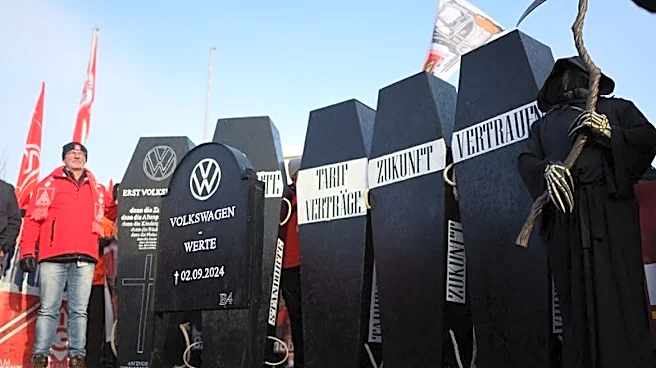
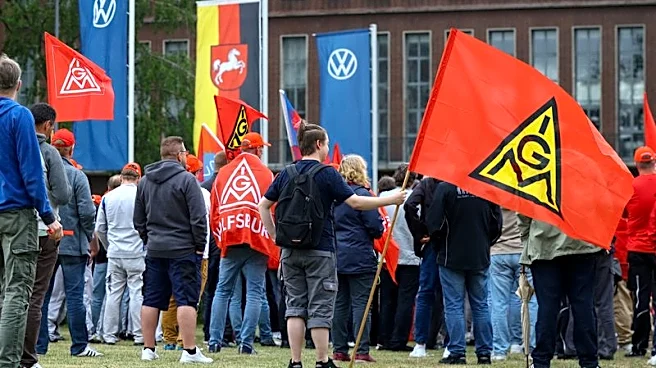
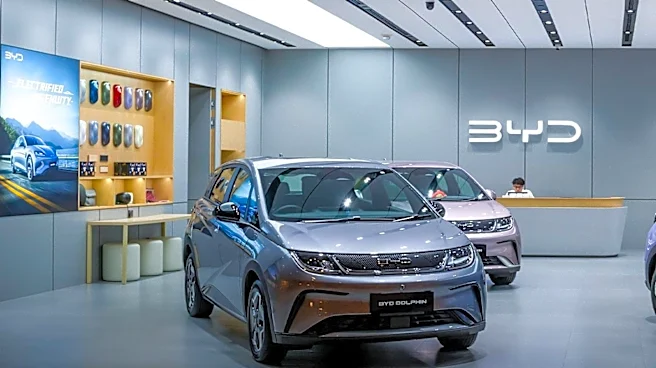
sales in China, which previously offset high German production costs, and the increasing market penetration of Chinese competitors in Europe. Additionally, tariff measures, particularly those impacting the U.S. market, have introduced billions of euros in extra annual expenses. In response, Volkswagen plans to eliminate 100,000 jobs globally and has identified four German plants for potential closure in the early 2030s. The company has initiated wage talks with the IG Metall union, proposing a two-year pay freeze for its German workforce (2027 and 2028) and concessions on the 35-hour work week, including requests for staff to work longer hours without additional pay when necessary. Other proposed cuts include abolishing special wage agreements for managerial staff, ending anniversary bonuses, removing paid 20-minute breaks on three-shift lines, and eliminating paid leave on Christmas Eve and New Year’s Eve. These proposals have been met with strong opposition from the union, which argues they violate a 2024 agreement that traded 35,000 job cuts for employment and investment guarantees.
Why It's Important?
The financial struggles of Volkswagen, a major global automaker, and its proposed drastic measures, including significant job cuts and plant closures, signal broader economic pressures impacting the automotive industry. The decline in China sales and the impact of U.S. tariffs highlight the interconnectedness of global markets and the vulnerability of multinational corporations to geopolitical and trade policies. For the U.S. market, the mention of tariffs adding billions in costs suggests potential implications for vehicle pricing, availability, and the competitive landscape, possibly favoring domestic manufacturers or those less affected by these tariffs. The proposed changes to labor agreements in Germany could set a precedent for other industries facing similar economic headwinds, potentially leading to increased labor disputes and shifts in worker benefits and conditions. The situation also underscores the intense competition from Chinese manufacturers, which is not only affecting European sales but could eventually influence global market dynamics, including in the U.S.
What's Next?
Volkswagen's management hopes to reach an agreement with IG Metall before the end of the year, despite the union's strong opposition and threats of industrial action. The outcome of these negotiations will determine the immediate future of thousands of jobs and the operational structure of Volkswagen's German facilities. The company's strategy to build China into an export base and integrate Xpeng co-developed electronics into its European models indicates a significant shift in its engineering and production focus, potentially further impacting its German operations. The long-term viability of the identified German plants beyond 2030 hinges on finding new production uses, a commitment that Volkswagen's increasingly China-centric strategy makes difficult to guarantee. A durable agreement would likely require binding product allocations for German sites extending beyond 2030 to avoid future confrontations.
Beyond the Headlines
The conflict between Volkswagen and IG Metall extends beyond immediate financial concerns, touching upon the fundamental social contract between corporations and their workforces in an era of rapid globalization and technological change. The union's assertion that the company is 'stabbing its employees in the back' highlights a deep-seated tension regarding corporate loyalty and the perceived erosion of worker protections. The shift of Volkswagen's 'engineering center of gravity' towards China, coupled with demands for pay restraint from German workers, raises ethical questions about corporate responsibility to its historical labor base versus the pursuit of global competitiveness. This situation could trigger broader discussions about the future of manufacturing jobs in developed economies, the role of unions in protecting worker rights amidst global economic pressures, and the long-term implications of trade policies and international competition on national workforces.