



What's Happening?
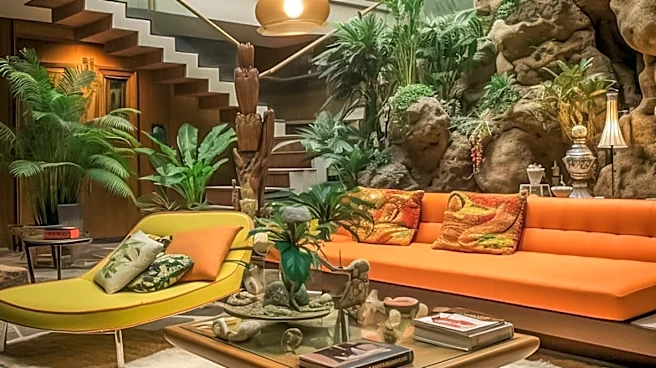
Interior designer and author Amber Guyton is advocating for a design philosophy she terms 'soulful maximalism,' which emphasizes creating living spaces that deeply reflect an individual's personality, joy, culture, and intentions. This approach stands
in contrast to the prevailing trend of minimalism, encouraging homeowners to embrace color, layers, and personal expression rather than adhering to a stripped-down aesthetic. Guyton, through her interior design firm Blessed Little Bungalow and her new book, 'Soulful Maximalism: A Colorful Guide to Living Boldly at Home,' aims to make interior design more accessible and less intimidating. She advises people to prioritize comfort, incorporate color without long-term commitment, layer decor for seasonal changes, and display art that holds personal meaning, including cherished photographs. Her core message is to design for oneself and to allow homes to evolve over time, rather than focusing on hypothetical resale value or rigid trends.
Why It's Important?
Guyton's 'soulful maximalism' offers a significant shift in the U.S. home decor industry, challenging the long-standing dominance of minimalist aesthetics. This movement could empower consumers to move away from transient trends and invest in more personalized, meaningful home environments. For retailers and manufacturers, this could translate into increased demand for diverse, colorful, and unique decor items, potentially boosting sales in categories like art, textiles, and custom furnishings. It also encourages a more sustainable approach to home design by promoting the idea of evolving spaces rather than constant overhauls to keep up with trends. Socially, this philosophy fosters a sense of belonging and self-expression within one's living space, which can positively impact mental well-being. By making design accessible and personal, Guyton's work could democratize interior design, allowing a broader demographic to create homes that truly resonate with their identities and cultural backgrounds.
What's Next?
The promotion of 'soulful maximalism' by Amber Guyton is likely to inspire a growing number of homeowners and renters to re-evaluate their approach to interior design. We can anticipate an increased interest in workshops, online resources, and design services that focus on personalized and expressive decor. Retailers may respond by expanding their offerings of vibrant colors, eclectic patterns, and unique artisanal pieces to cater to this emerging demand. There could also be a rise in collaborations between designers and brands to create collections that embody the principles of soulful maximalism. Furthermore, as more individuals embrace this philosophy, it may lead to a broader cultural conversation about the role of personal identity and emotional connection in home environments, potentially influencing future design trends and educational curricula in interior design.
Beyond the Headlines
Beyond the immediate impact on home decor choices, 'soulful maximalism' touches upon deeper psychological and cultural implications. In a society often driven by external validation and fleeting trends, Guyton's philosophy encourages introspection and self-acceptance, positioning the home as a sanctuary for authentic self-expression. This approach challenges the consumerist cycle of constantly updating homes to fit a narrow aesthetic ideal, instead promoting a more mindful and sustainable relationship with one's living space. Culturally, it opens doors for diverse expressions of identity, allowing individuals to incorporate elements that reflect their heritage, experiences, and personal narratives without feeling constrained by conventional design norms. This shift could foster a greater appreciation for individuality and creativity in domestic spaces, moving beyond mere aesthetics to create environments that nurture the soul and celebrate personal stories.