





What's Happening?
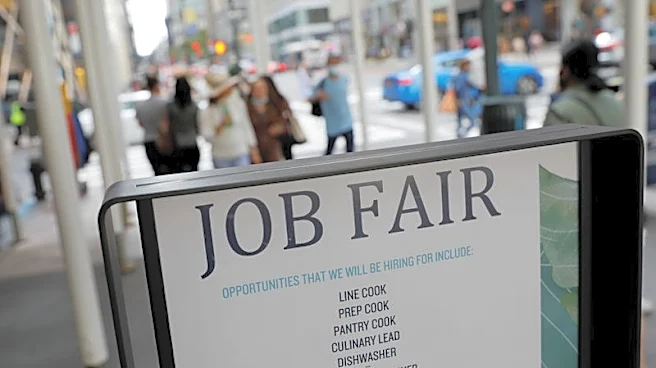
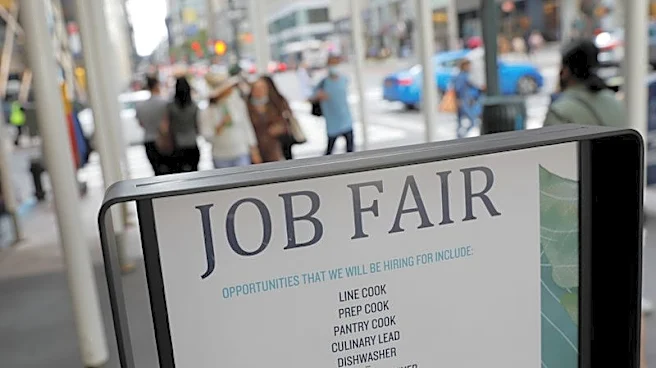
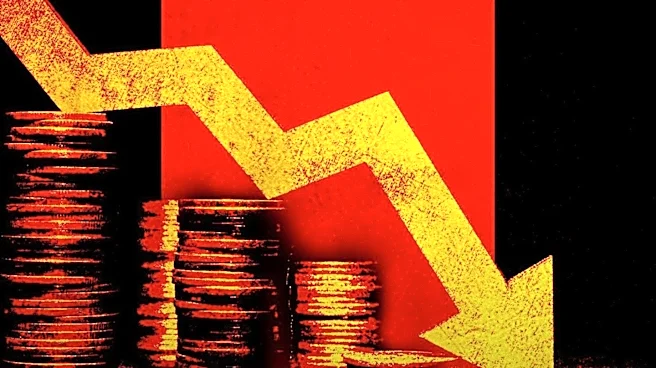
The U.S. labor market experienced an unexpected loss of 23,000 jobs in July, according to the Bureau of Labor Statistics. This figure is significantly below the anticipated addition of over 80,000 jobs. Despite the job losses, the unemployment rate decreased
slightly to 4.1% from 4.2% in the previous month. The disappointing jobs report comes ahead of the November midterms and could influence the Federal Reserve's decision on interest rate hikes. The report also revised downward the job figures for May and June by a combined 103,000.
Why It's Important?
The unexpected job losses present a challenge for the Federal Reserve, which is balancing its dual mandate of maximum employment and stable prices. The weak labor market, coupled with persistent inflation, complicates the Fed's decision-making process regarding interest rates. A potential pause in rate hikes could impact financial markets and economic growth. The report also highlights the ongoing economic challenges, including the effects of the Trump administration's deportation policies and an aging workforce, which contribute to a shrinking labor force.
What's Next?
The Federal Reserve will closely monitor upcoming economic data, including the Consumer Price Index set for release on August 12, to assess inflation trends. The central bank's next meeting in September will be crucial in determining the future of interest rate policy. The labor market's performance in August will also be a key factor in the Fed's decision-making process. Policymakers will need to weigh the risks of inflation against the need to support employment.