




What's Happening?
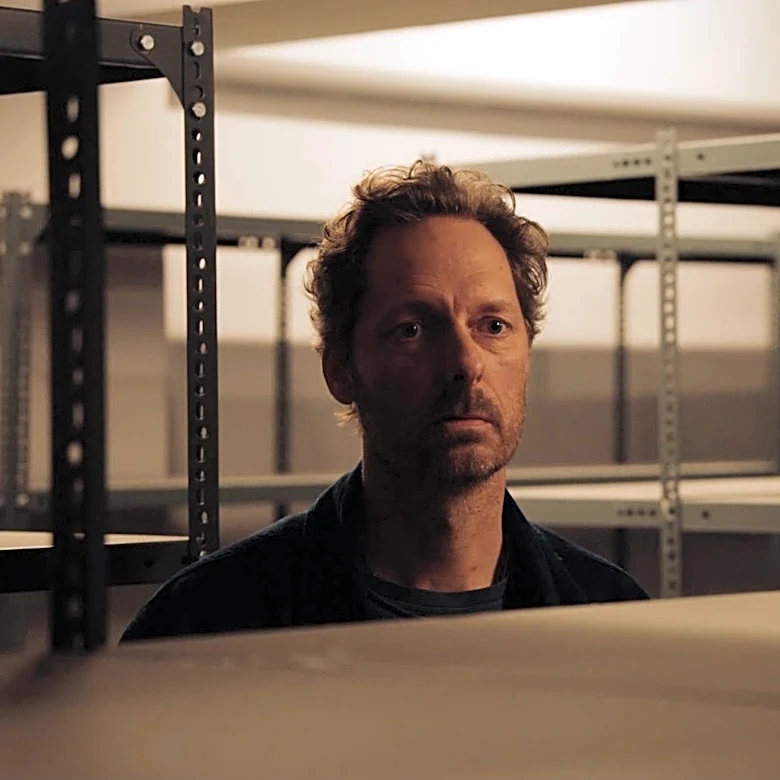
Director Florian Zeller has cast real-life couple Penélope Cruz and Javier Bardem in his new film, 'Bunker.' The drama centers on a 17-year marriage facing a moral crisis, with Bardem playing Miguel, a prestigious architect tasked with building a secret
bunker for a tech magnate, and Cruz portraying Sofía, whose disillusionment forms the emotional core of the film. Zeller intentionally chose the couple to leverage the 'permeability' between their real lives and the fictional narrative, a technique he considered after Stanley Kubrick's approach with Tom Cruise and Nicole Kidman in 'Eyes Wide Shut.' The film delves into themes of political anxiety, technological concerns, and the 'madness of extreme wealth,' inspired in part by reports of tech billionaires constructing elaborate bunkers. Cruz, described as an activist by Zeller, resonated with her character's anger towards tech billionaires, whom she refers to as 'the new masters.' The production involved constructing the couple's modern house in a Madrid studio, where Cruz and Bardem reside with their children, to progressively alter the viewer's perception, making it feel like an open home that gradually transforms into a mental bunker. The filming environment itself contributed to the film's atmosphere, with the crew spending weeks in a studio without natural light, fostering a sense of isolation and paranoia.
Why It's Important?
The casting of Penélope Cruz and Javier Bardem, a prominent real-life couple, in 'Bunker' is significant for its exploration of the intersection between extreme wealth, moral dilemmas, and contemporary anxieties. The film's premise, focusing on a tech magnate commissioning a survival bunker, directly addresses growing societal concerns about wealth inequality, the potential for technological isolation, and the perceived detachment of the ultra-rich from global issues. By using the bunker as a metaphor, the film highlights a broader cultural unease regarding individualism, fear of the future, environmental crises, and social disparity. The director's choice to cast a real-life couple adds a layer of authenticity and intensity to the marital conflict depicted, potentially drawing audiences into a more profound reflection on personal values when confronted with immense financial temptation. The film's themes resonate with ongoing discussions in the U.S. about the responsibilities of tech giants and billionaires, the impact of their decisions on society, and the ethical implications of accumulating vast fortunes while global challenges persist. The film's distribution by Sony Pictures Classics in North America suggests an expectation of critical acclaim and potential awards recognition, further amplifying its message within the U.S. cultural landscape.
What's Next?
Following its presentation at the Venice and Toronto film festivals, 'Bunker' is anticipated to be a significant contender in the upcoming awards season, with Sony Pictures Classics having acquired the North American distribution rights. The film's strong thematic content, coupled with the performances of Cruz and Bardem, is expected to drive its awards campaign. The director, Florian Zeller, who previously won two Oscars for 'The Father,' is returning to the festival circuit with this project, marking a potential resurgence in his career after the reception of 'The Son.' The film's exploration of political and social fractures, despite its ultimate message of reconciliation, is likely to spark further discussions among critics and audiences about the role of extreme wealth and technology in shaping modern society. The film's release will also coincide with a busy year for Penélope Cruz, who has other projects, including 'La invitación' and a cameo in 'La Bola Negra,' further increasing her visibility and the film's potential reach. The film's success could influence future cinematic explorations of similar socio-economic themes, encouraging more filmmakers to tackle the ethical dimensions of wealth and technology.
Beyond the Headlines
Beyond its immediate narrative, 'Bunker' delves into profound ethical and cultural dimensions by scrutinizing the 'madness of extreme wealth' and its implications for human relationships and societal values. The film's central conflict, where an architect is tempted to build a survival bunker for a tech billionaire, serves as a powerful allegory for the moral compromises individuals might make in pursuit of financial gain. This scenario reflects a growing societal concern about the potential for wealth to create a sense of invulnerability and detachment from collective human experience. The film also subtly critiques the notion that money can buy time, health, and security, challenging the very foundations of extreme capitalist ideology. The use of a real-life couple, Penélope Cruz and Javier Bardem, who are known for their activism, adds an authentic layer to the film's ideological stance, particularly Cruz's character's anger towards tech billionaires. This artistic choice blurs the lines between fiction and reality, inviting audiences to consider the broader societal impact of unchecked wealth and technological advancement, and the erosion of shared human values in an increasingly individualistic world. The film's architectural symbolism, transforming an open home into a mental bunker, further emphasizes the psychological and emotional confinement that can accompany such extreme pursuits.