









What's Happening?
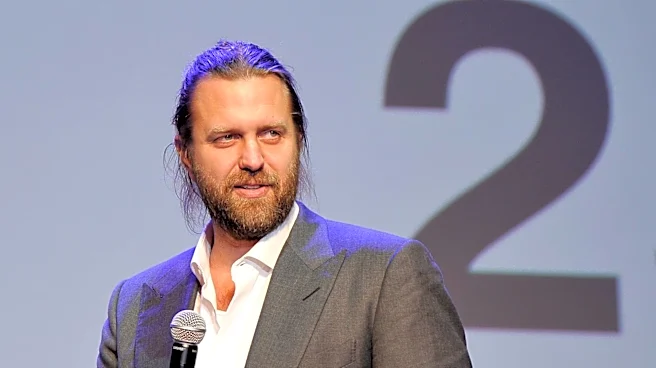
Carl Rinsch, known for directing '47 Ronin,' has been sentenced to 30 months in federal prison for defrauding Netflix of approximately $11 million. The fraud occurred during the production of the sci-fi series 'White Horse,' which was never completed.
Instead of using the funds for the project, Rinsch invested in cryptocurrency and made luxury purchases. The sentence, handed down by Judge Jed Rakoff, was influenced by evidence of Rinsch's mental health struggles, as highlighted by character witnesses including actor Keanu Reeves. Despite the prosecution's recommendation for a 60-month sentence, the judge considered Rinsch's mental health issues and positive character references, ultimately reducing the sentence.
Why It's Important?
This case highlights the complexities involved in white-collar crime sentencing, particularly when mental health issues are considered. The decision to reduce Rinsch's sentence underscores the judicial system's recognition of mental health as a mitigating factor. The case also reflects on the broader implications for the entertainment industry, where financial mismanagement can have significant impacts on production teams and stakeholders. Netflix, as a major player in the streaming industry, faces challenges in recovering the lost funds, which could influence future investment decisions and project oversight.
What's Next?
Rinsch is required to surrender to prison by September 1 and must pay restitution of approximately $11 million. He is also mandated to participate in an outpatient mental health treatment program. The case may prompt Netflix and other production companies to implement stricter financial controls and oversight to prevent similar incidents. Additionally, the entertainment industry may see increased discussions around the support and management of mental health issues among its professionals.