




What's Happening?
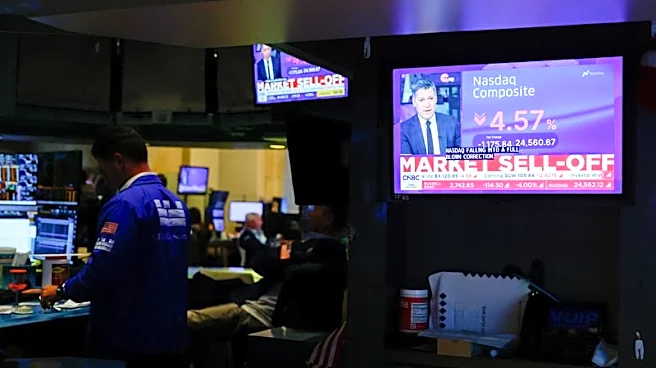
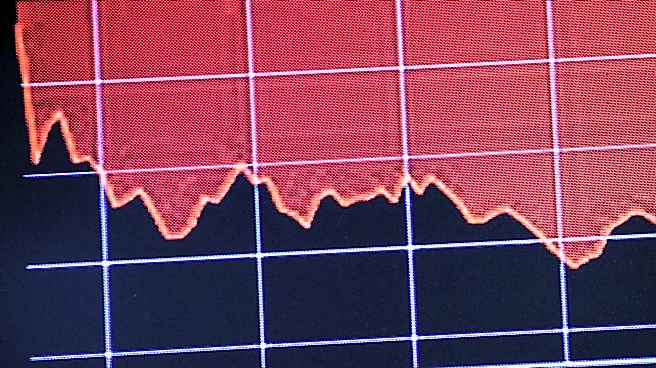
The Taiwanese dollar has pared its losses, appreciating by approximately 0.7% to 32.8 per US dollar, after briefly weakening past the 33 level, its lowest point since April 2025. The initial depreciation was triggered by a global technology selloff, which
negatively impacted Taiwan's tech-heavy equity market and led foreign investors to reduce their holdings of local shares. Concerns regarding potential shifts in U.S. political priorities following the Democrats' congressional election victory, which could slow AI investment and hardware spending, further contributed to the selling pressure. However, exporter dollar sales and intervention by state-owned banks helped the currency recover from its intraday low. The central bank has also encouraged exporters to sell their US dollar holdings rather than waiting for more favorable exchange rates and confirmed its market intervention last month.
Why It's Important?
The volatility of the Taiwanese dollar has significant implications for the U.S. economy, particularly given Taiwan's crucial role in the global technology supply chain, especially in semiconductor manufacturing. A weakening Taiwanese dollar could make Taiwanese tech exports cheaper for U.S. companies, potentially lowering costs for American consumers and businesses reliant on these components. Conversely, a stronger U.S. dollar makes American exports to Taiwan more expensive. The concerns about shifting U.S. political priorities impacting AI investment and hardware spending highlight the interconnectedness of political decisions and economic outcomes. Any slowdown in U.S. tech investment could directly affect Taiwan's export-driven economy, creating ripple effects across the global technology sector and potentially impacting U.S. tech companies that rely on Taiwanese manufacturing. The central bank's intervention underscores the importance of currency stability for national economic health and international trade relations.
What's Next?
Despite the recent recovery, the Taiwanese dollar is expected to remain volatile due to continued equity market weakness and foreign capital outflows. The central bank's strategy of urging exporters to sell their US dollar holdings and its confirmed market interventions suggest an ongoing effort to manage currency stability. Future movements of the Taiwanese dollar will likely depend on the trajectory of the global technology market, the actual impact of U.S. political shifts on AI and hardware spending, and the effectiveness of the central bank's interventions. Investors and businesses will closely monitor these factors, as sustained volatility could affect trade, investment, and the overall economic outlook for both Taiwan and its key trading partners, including the U.S.
Beyond the Headlines
The Taiwanese dollar's recent fluctuations reveal deeper geopolitical and economic currents at play. Taiwan's economy is heavily reliant on its technology sector, making it particularly vulnerable to global tech market trends and U.S. policy shifts. The mention of 'shifting US political priorities following the Democrats' congressional election victory' and its potential impact on AI investment and hardware spending points to the increasing politicization of global supply chains and technological development. This situation highlights the delicate balance between national economic interests and international political dynamics. The central bank's active role in managing currency stability also underscores the broader trend of governments intervening in markets to mitigate external shocks, reflecting a growing recognition of currency as a strategic asset in an increasingly interconnected and sometimes volatile global economy.