





What's Happening?
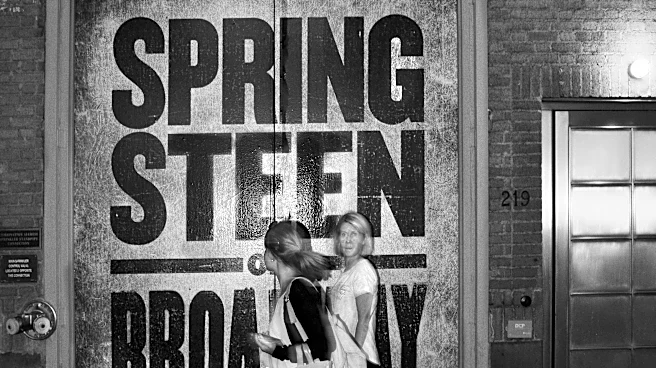
Broadway walking tours are available in New York City, offering visitors different ways to explore the Theater District. Options range from free self-guided walks to paid tours led by guides. A self-guided tour, which can take about an hour, typically
starts at Times Square and covers key landmarks like Shubert Alley and various historic theaters on West 44th, 45th, and 46th Streets. Paid tours often provide additional context and stories from a guide, lasting approximately 90 minutes to two hours. Some paid tours may include a stop inside a working space, such as a rehearsal studio, though true backstage tours of active Broadway theaters are rare. These tours generally focus on the exteriors of theaters and the surrounding area, providing historical insights and anecdotes about famous shows and stars. Visitors are advised to book tours a few days in advance, especially on weekends or in December, and to schedule them at least 90 minutes before a show to allow for travel and pre-show activities.
Why It's Important?
These Broadway walking tours are important for several reasons, primarily enhancing the visitor experience in one of New York City's most iconic cultural hubs. For tourists, especially first-time visitors, a guided tour can provide valuable context and stories that enrich their understanding and appreciation of Broadway's history and significance. This can lead to a more memorable and engaging trip, potentially encouraging repeat visits and further engagement with the performing arts. Economically, these tours contribute to the local tourism industry, supporting guides, tour operators, and indirectly, the broader hospitality sector. They also offer a flexible and accessible way for individuals and families to engage with Broadway culture without necessarily attending a show, making the district more inclusive. The availability of free self-guided options ensures that budget-conscious visitors can still experience the area's highlights, promoting broader access to cultural exploration.
What's Next?
The continued availability and evolution of Broadway walking tours are expected to adapt to visitor demands and technological advancements. Tour operators may explore incorporating more interactive elements, such as augmented reality or digital guides, to enhance the self-guided experience. As the tourism landscape shifts, there might be an increased focus on specialized tours catering to niche interests, such as architectural history, specific show themes, or family-friendly content. The integration of food tours in the Hell's Kitchen area, adjacent to the Theater District, suggests a trend towards combining cultural exploration with culinary experiences. Furthermore, as Broadway productions themselves evolve, tours will likely update their narratives to include new shows, stars, and historical developments, ensuring their relevance and appeal to a continuous stream of visitors. The industry will also need to remain flexible with cancellation policies and accessibility options to cater to a diverse audience.
Beyond the Headlines
Beyond the immediate benefits of tourism and cultural enrichment, Broadway walking tours play a subtle yet significant role in preserving and disseminating the legacy of American theater. By highlighting the historical significance of various theaters and the stories behind iconic productions, these tours contribute to a collective memory of Broadway's past. They foster an appreciation for the performing arts, potentially inspiring future generations of artists, patrons, and theater professionals. The emphasis on external views of theaters, rather than backstage access, also underscores the public-facing nature of Broadway, where the magic is often perceived from the audience's perspective. This approach reinforces the idea that the theater district itself is a living museum, with each building and street corner holding a piece of theatrical history. The tours also subtly educate visitors on urban planning and the concentration of cultural institutions in specific city areas, showcasing New York City's unique cultural infrastructure.