
What's Happening?
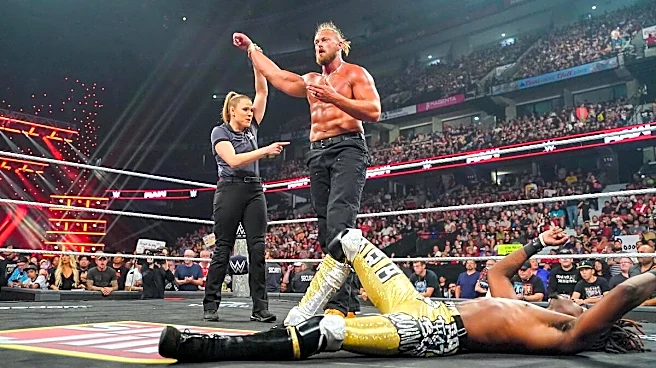
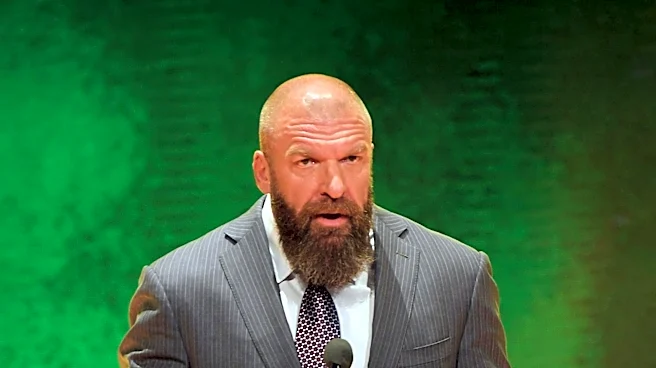
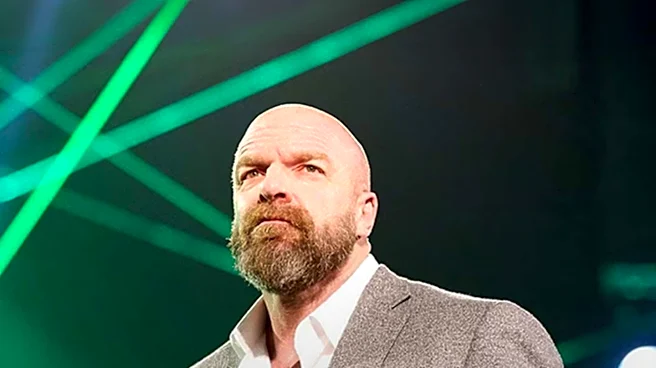
Paul 'Triple H' Levesque, WWE's Chief Content Officer, has released uncensored footage of a backstage beatdown segment from the August 31st WWE RAW show on social media. This action follows Netflix's decision to heavily censor the broadcast for international
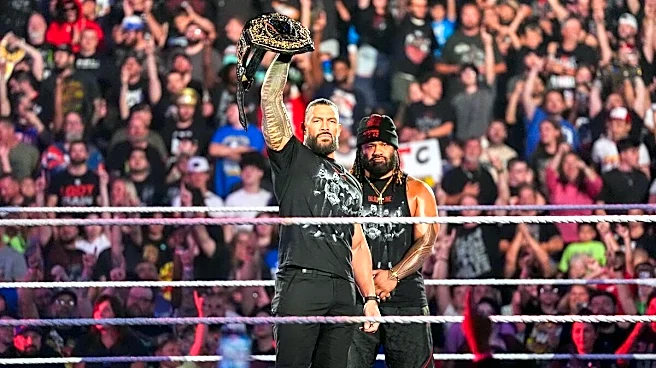
markets. The original RAW episode, which was taped rather than live, featured a segment where Royce Keys and OTM attacked The Usos, leaving them bloodied. Netflix's broadcast pixelated the blood and censored profanity, including an F-bomb from Jacob Fatu. The streaming platform's censorship also extended to a later attack on Solo Sikoa. Levesque's release of the uncensored footage directly counters Netflix's edited version, allowing viewers to see the full, unedited violence and blood that was removed from the international broadcast.
Why It's Important?
This incident highlights the growing tension between content creators and streaming platforms regarding censorship, particularly in the context of international distribution. For WWE, maintaining the 'edge' and intensity of its programming is crucial for its brand identity and fan engagement. Netflix's decision to censor graphic content, driven by varying international broadcasting restrictions, directly impacts how WWE's product is perceived globally. This could lead to a divergence in content experience for viewers depending on their region and platform. The move by Levesque to release uncensored footage underscores WWE's commitment to its creative vision and its desire to deliver the intended experience to its audience, potentially setting a precedent for how content creators might bypass platform-imposed restrictions in the future. It also raises questions about the balance between creative freedom and compliance with diverse global content standards.
What's Next?
The release of the uncensored footage by Paul Levesque could prompt further discussions between WWE and Netflix regarding content guidelines for international broadcasts. It remains to be seen if this will lead to a re-evaluation of Netflix's censorship policies for WWE content or if WWE will continue to use its own platforms to distribute uncensored versions. This situation might also influence how other content creators approach distribution deals with global streaming services, potentially leading to more explicit clauses regarding content integrity. Fans will likely continue to seek out the uncensored versions, which could impact viewership numbers for the official Netflix broadcasts in certain regions. The incident may also spark a broader debate within the entertainment industry about the role of streaming platforms in curating and altering content for diverse global audiences.
Beyond the Headlines
This event touches upon broader themes of cultural sensitivity, artistic integrity, and the evolving landscape of media consumption in a globalized world. The differing standards for graphic content across various countries present a significant challenge for international distributors like Netflix. While platforms aim to comply with local regulations, this can inadvertently dilute the original artistic intent of the content. WWE's decision to release the uncensored version can be seen as a statement on artistic freedom and a direct appeal to its core fanbase, who often value the raw and unedited nature of professional wrestling. This situation could contribute to a trend where content creators leverage direct-to-consumer channels to bypass traditional distribution gatekeepers and maintain creative control, potentially reshaping how media is consumed and regulated on a global scale.