





What's Happening?
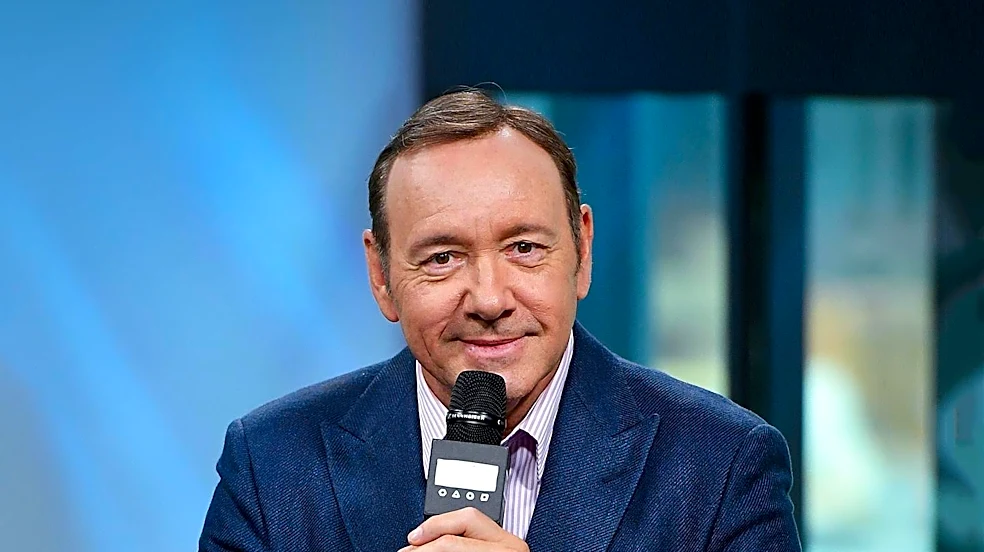
Kevin Spacey's career is characterized by a profound duality, recognized for his talent and award-winning performances, yet inextricably linked to scandal. Before allegations emerged in 2017, Spacey was a dominant figure in entertainment, known for portraying
characters with sharp intellect and chilling manipulation. His filmography often explored the darker aspects of the human condition, with roles that made morally complex characters intellectually engaging. He honed his craft on stage, earning critical acclaim for his gritty realism before transitioning to film. Notable roles include Roger 'Verbal' Kint in 'The Usual Suspects,' which earned him an Academy Award for Best Supporting Actor, and John Doe in 'Se7en.' His portrayal of Lester Burnham in 'American Beauty' solidified his A-list status and earned him the Academy Award for Best Actor. In the 2010s, he moved to television, starring as Frank Underwood in the Netflix series 'House of Cards,' a role that became his most famous post-millennium work.
Why It's Important?
The trajectory of Kevin Spacey's career highlights the complex relationship between artistic achievement and personal conduct within the entertainment industry. His ability to deliver powerful and nuanced performances, particularly in roles that challenged audiences with morally ambiguous characters, significantly impacted cinematic and television storytelling. The critical acclaim and numerous awards he received underscore his influence as an actor capable of shaping memorable and impactful roles. However, the allegations that surfaced in 2017 irrevocably altered how his work is perceived, leading to the cancellation of projects and his removal from ongoing productions. This situation sparked broader conversations about accountability in Hollywood and the ethical considerations of separating the art from the artist. His case serves as a significant example of how personal controversies can profoundly affect a public figure's professional legacy and public image, influencing how audiences and critics engage with their past and future work.
What's Next?
Following the allegations that emerged in late 2017, Kevin Spacey's career experienced an immediate and devastating impact. He was removed from the final season of 'House of Cards,' and planned projects were swiftly canceled as studios and production companies distanced themselves. While some legal proceedings have concluded with charges dropped in a 2022 case in Britain, his public perception remains largely negative. He has largely disappeared from the public sphere, leaving behind a body of work that is professionally respected but personally tainted. The contrast between his revered status in the 1990s and his current disgraced figure defines the latter part of his story. Future engagement with his work will likely continue to be viewed through the lens of these allegations, making any potential return to mainstream entertainment highly challenging.
Beyond the Headlines
The case of Kevin Spacey delves into deeper implications concerning the ethical responsibilities of public figures and the entertainment industry's response to allegations of misconduct. It raises questions about the long-term impact of 'cancel culture' on an artist's legacy and the potential for redemption or rehabilitation in the public eye. The ongoing analysis of his technique and the characters he embodied by film scholars and critics underscores the challenge of separating the artistic merit of a performance from the personal actions of the performer. This situation also highlights the power dynamics within Hollywood and the industry's evolving standards for conduct. The public's struggle to reconcile Spacey's undeniable talent with the serious allegations against him reflects a broader societal debate on how to address and process the complexities of individuals who achieve greatness but are also accused of significant wrongdoing. His story serves as a cautionary tale about the fragility of reputation and the lasting consequences of scandal in the digital age.