







What's Happening?
Research indicates that adhering to a Mediterranean diet is strongly associated with positive fertility outcomes, including a significant reduction in the risk of infertility. A 2018 meta-analysis published in Human Reproduction Update found that individuals
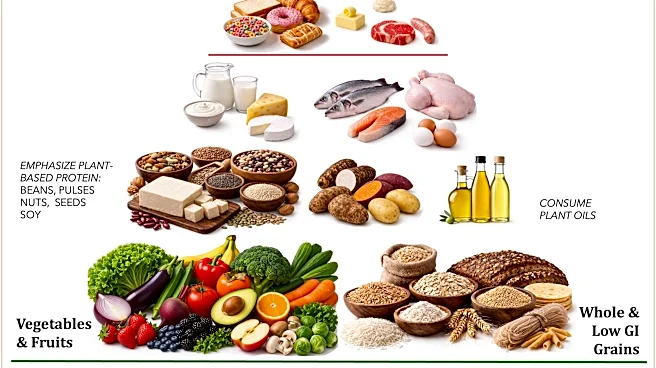
following a Mediterranean diet had a 40% lower risk of infertility due to ovulatory disorders and a 44% lower risk from other causes. This dietary pattern is characterized by its richness in antioxidants, omega-3s, fiber, plant protein, and healthy fats, while being low in processed foods, sugar, and trans fats. The Nurses' Health Study II, a large investigation into diet and fertility, also revealed that women consuming a diet high in plant protein, low-glycemic carbohydrates, full-fat dairy, iron, and multivitamins experienced significantly lower rates of ovulatory infertility compared to those on a typical Western diet. For men, a 2019 systematic review highlighted associations between healthy dietary patterns and improved sperm count, motility, and morphology. These benefits are attributed to the diet's influence on oxidative stress, inflammation, insulin sensitivity, hormonal signaling, and the supply of essential micronutrients for reproductive health.
Why It's Important?
The findings underscore the critical role of diet in reproductive health, offering a non-invasive and accessible approach for individuals and couples trying to conceive in the U.S. The emphasis on whole, unprocessed foods and specific nutrients within the Mediterranean diet provides a clear dietary framework that could potentially reduce the need for more intensive fertility treatments. For the healthcare industry, this research supports the integration of nutritional counseling as a primary recommendation for fertility enhancement. Economically, a wider adoption of such dietary patterns could lead to reduced healthcare costs associated with infertility treatments. Furthermore, the focus on sustainable and enjoyable eating habits suggests a long-term adherence, promoting overall public health beyond just fertility. This information is particularly valuable for women over 35, where egg quality is a significant concern, as the diet's antioxidant properties and specific nutrient profiles, like CoQ10, are crucial for supporting egg health.
What's Next?
Individuals planning to conceive are advised to adopt a fertility-optimized diet at least three months prior to attempting conception to allow for nutrient levels to build up and improve egg and sperm quality. Healthcare providers and fertility specialists are likely to increasingly recommend the Mediterranean diet as a foundational element of preconception care. Further research may focus on specific nutrient interactions and personalized dietary approaches to optimize fertility outcomes. The integration of dietary guidelines into public health campaigns could also be a next step, aiming to educate a broader audience on the benefits of a Mediterranean-style diet for reproductive health. Additionally, the supplement industry may see increased demand for targeted nutrients like methylfolate, omega-3s, and CoQ10, which are highlighted as crucial for fertility.
Beyond the Headlines
The strong evidence supporting the Mediterranean diet for fertility extends beyond just conception, promoting a holistic approach to health that impacts various physiological systems. The diet's anti-inflammatory properties and positive effects on insulin sensitivity are beneficial for conditions like PCOS and endometriosis, which are common causes of infertility. This highlights a broader shift towards recognizing nutrition as a powerful tool in managing chronic health conditions. The emphasis on whole foods and limiting processed items also addresses concerns about endocrine-disrupting chemicals often found in modern diets. Culturally, this research reinforces traditional dietary wisdom, suggesting that a return to simpler, nutrient-dense eating patterns can have profound health benefits, challenging the reliance on quick fixes and highly processed foods prevalent in many Western societies.