


What's Happening?
The U.S. economy experienced a slowdown in growth during the second quarter, with the GDP increasing at an annualized rate of 1.5%, down from 2.1% in the first quarter. This deceleration is attributed to a widening trade deficit and continued inventory
drawdowns. Despite these challenges, consumer spending and business investments, particularly in artificial intelligence infrastructure, remained robust. The slowdown comes amid geopolitical tensions in the Middle East, which pose risks to future growth. Economists note that while underlying growth is solid, it may not be sustainable due to factors like rising gasoline prices and a low savings rate.
Why It's Important?
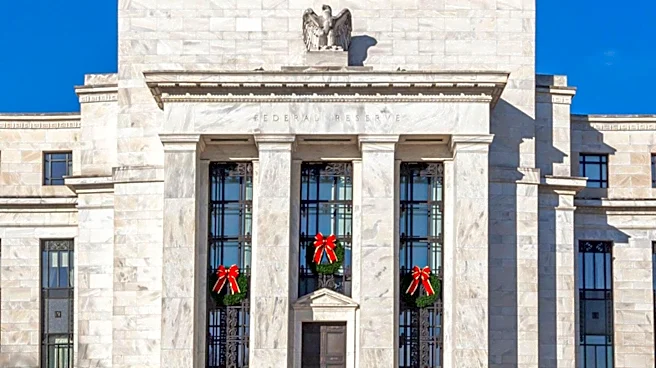
The report highlights the resilience of the U.S. economy in the face of external pressures, such as geopolitical tensions and inflation. Strong domestic demand, driven by consumer spending and AI investments, suggests a healthy economic base. However, the slowdown raises concerns about future growth prospects, especially with potential interest rate hikes by the Federal Reserve to combat inflation. The economic performance could influence policy decisions and impact sectors reliant on consumer spending and imports, affecting businesses and households across the country.
What's Next?
Economists anticipate potential interest rate hikes by the Federal Reserve to address inflation, which could further impact economic growth. The ongoing geopolitical tensions and rising gasoline prices are expected to continue influencing economic conditions. Businesses and policymakers will need to navigate these challenges to sustain growth and manage inflationary pressures. The AI investment boom, while beneficial, may also lead to increased imports, affecting the trade balance.