


What's Happening?
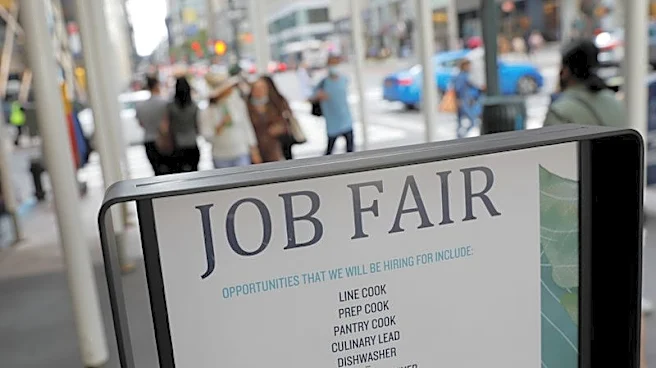
The U.S. economy experienced an unexpected decline in jobs for July, with nonfarm payrolls decreasing by 23,000, contrary to economists' expectations of an 80,000-job increase. This downturn, coupled with a revised lower job growth for June, has led to skepticism
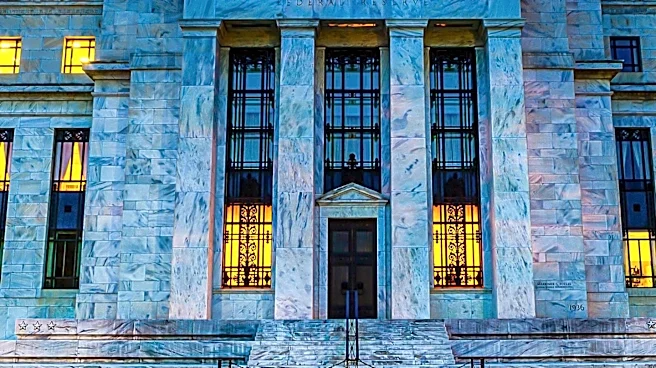
about the Federal Reserve's potential interest rate hike in September. The unemployment rate fell slightly to 4.1%, but the overall weak job market data has prompted a reassessment of economic conditions and the Fed's monetary policy approach.
Why It's Important?
The unexpected job losses in July have significant implications for the U.S. economy and the Federal Reserve's policy decisions. A weaker labor market could influence the Fed to delay interest rate hikes, which would impact borrowing costs, consumer spending, and investment. The data also suggests potential challenges for economic recovery, particularly if job growth continues to falter. Stakeholders, including businesses and investors, are closely monitoring these developments to adjust their strategies accordingly.
What's Next?
The Federal Reserve will likely consider the latest employment data in its upcoming policy meetings, weighing the need to balance inflation control with supporting economic growth. Market participants will be watching for any signals from the Fed regarding its interest rate plans, as well as additional economic indicators that could influence future decisions. The outcome of these deliberations will have broad implications for financial markets and the overall economic outlook.