


What's Happening?
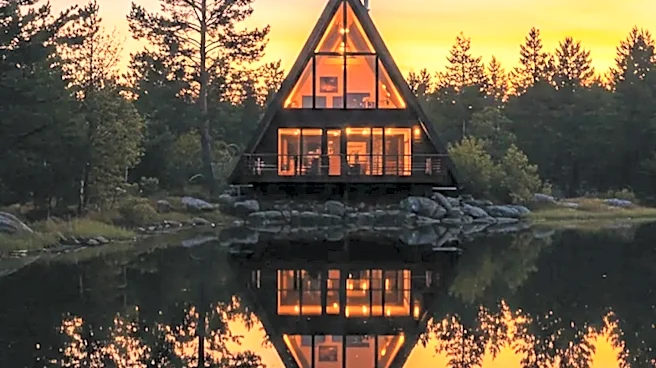
A-frame vacation rentals are experiencing a resurgence in popularity, particularly for mountain getaways. These distinctive structures, characterized by their steep rooflines and large windows, were first popularized in the 1950s due to their inexpensive
materials, simple construction, and practical design for snowy environments. Decades later, the design continues to appeal to travelers seeking a unique mountain experience. Examples include the A-Frame Club in Winter Park, Colorado, which features 31 mid-century cabins with amenities like Malm fireplaces and onsen-style soaking tubs. Another notable option is The Tahoe A-Frame in Lake Tahoe, California, a renovated 1963 A-frame that blends mid-century aesthetics with modern touches, offering soaring windows and a private hot tub. The Sunrise Chalet in Lake Arrowhead, California, while technically a Gambrel chalet, also embodies a similar retro-nostalgic appeal with its thoughtful design and period-correct pieces.
Why It's Important?
The growing popularity of A-frame vacation rentals reflects a broader trend in the U.S. travel and tourism industry towards unique, experience-driven accommodations. This shift impacts local economies in mountain regions, as these rentals attract tourists seeking specific aesthetics and amenities, potentially boosting demand for local services, restaurants, and recreational activities. For property owners and developers, the enduring appeal of A-frames presents an opportunity for investment in distinctive rental properties that command higher interest and potentially higher rental yields. The emphasis on design, comfort, and integration with natural landscapes also highlights a consumer preference for accommodations that offer more than just a place to stay, but rather an integral part of the vacation experience. This trend could also influence architectural design in resort areas, encouraging a blend of classic styles with modern comforts.
What's Next?
The continued demand for unique vacation experiences suggests that the A-frame trend is likely to persist and potentially expand. We may see more developers and individual owners investing in building or renovating A-frame properties in various scenic locations across the U.S., not just in traditional mountain settings. This could lead to an increase in specialized property management services catering to these unique rentals. Furthermore, the success of establishments like the A-Frame Club could inspire similar boutique lodging concepts that blend retro charm with contemporary luxury. Travelers can anticipate a wider array of A-frame options, potentially with enhanced amenities and services, as the market responds to this growing niche. The focus on design and experience will likely drive innovation in the vacation rental sector.
Beyond the Headlines
The enduring appeal of A-frames goes beyond their practical design; it taps into a cultural nostalgia for simpler times and a desire for connection with nature. These structures often evoke a sense of cozy retreat and escape, offering a contrast to the fast-paced modern world. Ethically, the development of more A-frame rentals in natural areas raises questions about sustainable tourism and environmental impact, particularly regarding land use and resource consumption. Culturally, the A-frame represents a blend of functional architecture and aesthetic appeal, becoming an iconic symbol of mountain living and outdoor adventure. Its resurgence highlights a broader societal value placed on authenticity, design, and the pursuit of unique, memorable experiences in travel, influencing how people perceive and interact with vacation destinations.