
What's Happening?
The OpenAI and Oracle-backed 'Stargate' data center project is reportedly moving forward in Michigan despite initial rejection by the local town board. The project developer, Related Digital, sued the town,
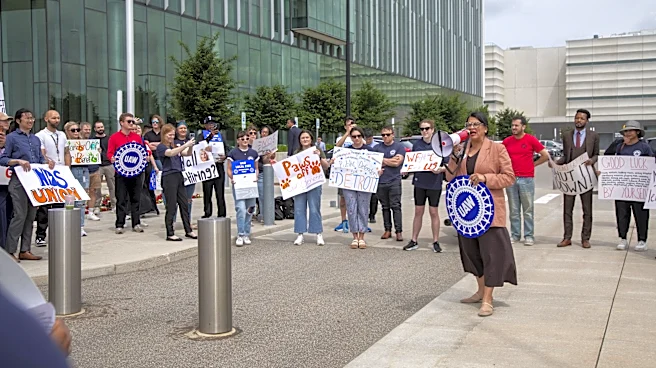
which has a population of less than 3,000, and subsequently received approval as part of a settlement. This incident is part of a broader trend where AI data center developers are employing tactics similar to those used by the fossil fuel industry to bypass local opposition. A recent Gallup poll indicates that 7 out of 10 Americans oppose AI data center construction in their neighborhoods due to concerns about electricity and water consumption, increased cost of living, and pollution. Developers are also accused of spreading misinformation about project benefits, co-opting community language, and breaking promises once permits are granted. The 'Stargate' project exemplifies the legal challenges faced by under-resourced local governments when opposing large-scale data center developments.
Why It's Important?
The ongoing legal battles and community resistance surrounding projects like the 'Stargate' data center highlight a significant tension between technological advancement and local governance in the U.S. The use of lawsuits by developers against smaller municipalities can undermine local democratic processes and decision-making, potentially setting a precedent for how large corporations interact with communities. This approach can lead to a loss of public trust and increased social license issues for the AI industry. Furthermore, the environmental concerns, such as high electricity and water usage, associated with these data centers have broader implications for resource management and sustainability across the nation. The tactics employed by developers, including fast-tracking permits and using non-disclosure agreements, limit public participation and transparency, affecting the rights of communities to voice concerns about projects that directly impact their quality of life and local environment.
What's Next?
The continued pushback from communities and the legal actions taken by developers suggest a growing conflict that may lead to increased legislative scrutiny and calls for stronger regulatory frameworks. Lawmakers at various levels of government are already proposing legislation to regulate or ban data center construction and require developers to account for their resource use. Public officials who approve these projects against community wishes may face recalls, indicating a rising demand for accountability. The industry faces a critical juncture where it must decide whether to continue with aggressive development tactics or shift towards more responsible community engagement. Without a significant change in approach, the AI data center industry could face escalating opposition, potentially leading to more moratoriums and legal challenges across the U.S., impacting the pace and location of future AI infrastructure development.
Beyond the Headlines
The 'Stargate' project and similar data center developments reveal deeper ethical and democratic implications. The practice of developers suing under-resourced local governments raises questions about equitable access to justice and the power imbalance between large corporations and small communities. The comparison to the fossil fuel industry's playbook suggests a pattern of prioritizing corporate interests over community well-being and environmental concerns. This trend could lead to a long-term erosion of local autonomy and public trust in technological progress if not addressed. The debate also touches upon the broader societal cost of the AI boom, including the strain on public resources and the potential for environmental degradation. Addressing these issues will require a re-evaluation of corporate social responsibility, transparent engagement practices, and potentially new legal protections for communities facing such developments.