





What's Happening?
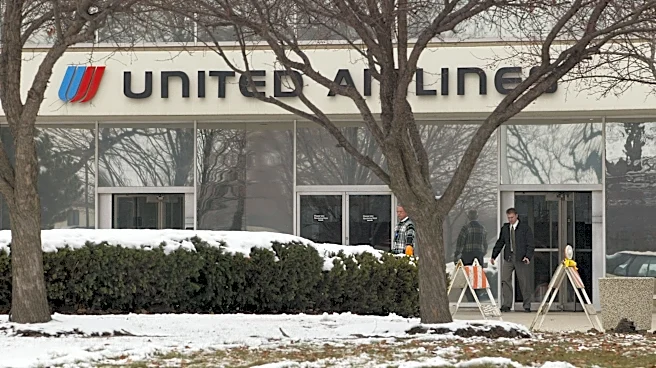
United Airlines CEO Scott Kirby has stated his "100%" conviction that a merger between United and American Airlines could be approved, a sentiment he claims to hold even more strongly than in the spring when initial talks emerged. Kirby believes the primary
obstacle is securing American Airlines' agreement. His argument for the merger centers on the idea that combining the airlines would benefit passengers by extending United's service, technology, and operational performance to a larger customer base. However, American Airlines has previously rejected merger discussions, asserting that such a combination would harm consumers and competition. Kirby's confidence comes despite numerous complex challenges, including potential antitrust scrutiny from state attorneys general, private plaintiffs, foreign governments, and the need to untangle two competing global airline networks with various international joint ventures.
Why It's Important?
A potential merger between United Airlines and American Airlines would represent a monumental shift in the U.S. airline industry, significantly reducing competition and potentially impacting millions of travelers. Such a consolidation could lead to fewer choices for consumers, higher airfares, and reduced service quality, which are key concerns for antitrust regulators. The Justice Department's merger guidelines specifically consider quality, innovation, and choice, making Kirby's argument about 'better service' a critical point of contention. The complexities extend beyond domestic antitrust review, involving international regulatory bodies and the intricate web of existing global partnerships and alliances. The outcome of any such merger attempt would have profound implications for the competitive landscape of air travel, affecting not only the airlines involved but also their partners, employees, and the flying public across the U.S. and internationally.
What's Next?
Despite Scott Kirby's confidence, the path to a United-American Airlines merger faces substantial hurdles. American Airlines has already publicly rejected merger discussions, citing concerns about consumer harm and competition. Even if American were to agree, the deal would require approval from various entities beyond the Justice Department, including state attorneys general, who are not bound by federal settlements, and private plaintiffs who could sue under the Clayton Act. Furthermore, the merger would necessitate untangling complex international joint ventures and securing clearances from foreign governments and regulatory bodies, such as the European Commission, which previously imposed slot remedies for the American-US Airways merger. Key domestic challenges include overlapping hubs in major cities like Chicago, New York, Los Angeles, and Washington, which would likely require significant divestitures to address antitrust concerns. The substantial debt carried by American Airlines also presents a financial obstacle.
Beyond the Headlines
The discussion of a potential United-American Airlines merger delves into deeper implications regarding market concentration and the future of competition in the U.S. airline industry. Kirby's assertion that 'better service' would justify the merger challenges conventional antitrust thinking, which often prioritizes market diversity and consumer choice. This perspective suggests a potential shift in how large-scale mergers might be framed and evaluated, focusing on perceived quality improvements rather than solely on market share. The complexities of international regulatory approvals and the disentanglement of global airline alliances highlight the interconnected nature of the modern aviation industry, where domestic mergers have far-reaching international consequences. The ongoing debate also reflects the tension between corporate growth ambitions and public interest concerns, particularly in sectors deemed essential for national infrastructure and economic activity.