





What's Happening?
U.S. Senator Jack Reed recently hosted a manufacturing roundtable in Rhode Island, bringing together local manufacturers to discuss the state's industrial landscape. The discussion, facilitated by Polaris MEP, focused on identifying challenges and opportunities
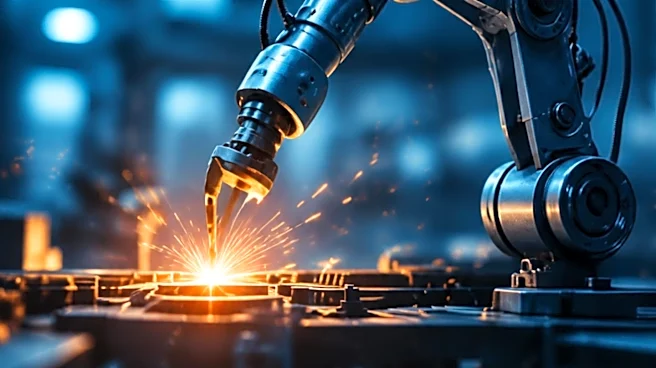
within the sector. Participants highlighted several strengths, including Rhode Island's historical excellence in textiles and jewelry, advanced technological capabilities in additive, subtractive, and laser manufacturing, and a strong, interconnected business community. However, manufacturers also expressed significant concerns regarding the rising cost of doing business, citing increases in diesel fuel, transportation, insurance, materials, and the impact of tariffs on international trade. Workforce development remains a critical challenge, with companies struggling to recruit and retain employees possessing the necessary technical and soft skills. Barriers such as transportation, affordable childcare, and housing were identified as obstacles for qualified workers entering and remaining in the workforce. The importance of ongoing training and upskilling to adapt to evolving technologies was also emphasized.
Why It's Important?
This roundtable discussion is crucial for understanding the economic health and future trajectory of Rhode Island's manufacturing sector, a vital component of the state's economy. The insights shared directly with Senator Reed provide policymakers with firsthand accounts of the challenges faced by businesses, which can inform legislative decisions and resource allocation. Addressing issues like rising operational costs and workforce shortages is essential for maintaining the competitiveness of U.S. manufacturing, preventing job losses, and fostering economic growth. The focus on advanced manufacturing technologies and the need for skilled labor highlights a broader national trend towards high-tech industrialization, requiring strategic investments in education and infrastructure. Failure to address these concerns could lead to reduced industrial output, decreased innovation, and a weakening of the state's economic base, impacting both businesses and the workforce.
What's Next?
The discussion explored potential solutions, including alternative energy incentives, increased state-level support for manufacturers, and financing options to enhance international competitiveness. Emerging opportunities in areas such as maritime electrification, battery technology, and advanced manufacturing were also identified. The clear value of collaboration between manufacturers, policymakers, state agencies, and industry resources was underscored. Polaris MEP's role in connecting these stakeholders aims to ensure that Rhode Island businesses can share their experiences, identify common challenges, and contribute to shaping the future of manufacturing in the state. Future actions may involve legislative initiatives to implement proposed incentives, targeted workforce development programs, and continued dialogues to monitor progress and adapt strategies.
Beyond the Headlines
The challenges faced by Rhode Island manufacturers, particularly in workforce development and rising costs, reflect broader national economic trends. The emphasis on upskilling and training points to the evolving nature of work in the 21st century, where continuous learning is essential for adapting to technological advancements. The discussion also implicitly touches upon the delicate balance between global trade and domestic production, as tariffs and international competition impact local businesses. Furthermore, the mention of barriers like affordable childcare and housing highlights how socio-economic factors directly influence labor force participation and economic productivity. Addressing these interconnected issues requires a comprehensive approach that extends beyond traditional industrial policy, encompassing social welfare and infrastructure development to create a more resilient and competitive manufacturing ecosystem.