



What's Happening?
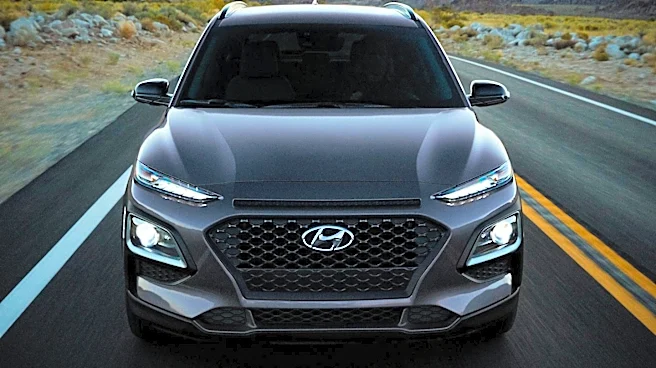
Hyundai Motor America experienced a 2% decrease in sales for August, totaling 86,977 units, though year-to-date sales remain up by 2% at 620,025 units. This decline occurred despite a significant 14% global sales drop for Hyundai Motor Company, largely
attributed to a union strike in Korea. The U.S. market's performance was notably resilient, with its sales volume being two and a half times that of Hyundai's entire domestic Korean market. The strike, which involved approximately 39,000 union members, primarily impacted production in Ulsan, Asan, and Jeonju, leading to a 41.1% fall in domestic Korean sales. In contrast, Hyundai's U.S. hybrid business set new records in August, with models like the Tucson and Santa Fe achieving best-ever August results. However, electric vehicle sales in the U.S. saw a significant downturn, with the IONIQ 5 falling 51% and the IONIQ 6 selling only 28 units, a 97% collapse. Hyundai Motor America attributes the EV sales dip to an 'EV pull-ahead' and the timing of Labor Day.
Why It's Important?
The sales figures highlight a growing divergence between Hyundai's global manufacturing challenges and its strategic focus on the U.S. market. The company's substantial investment of $26 billion in the United States from 2025 through 2028, across Alabama, its Metaplant, and R&D operations, underscores a deliberate effort to insulate its North American supply chain from international labor disruptions and import tariffs. This shift in manufacturing focus means that U.S.-assembled vehicles are less susceptible to production stoppages in Korea, offering greater stability for American consumers and dealerships. The record-setting performance of hybrid vehicles in the U.S. suggests a strong market preference for electrified options that offer a balance between fuel efficiency and range, potentially influencing future product development and marketing strategies. The significant drop in EV sales, particularly for the IONIQ 6, indicates potential challenges in consumer adoption or inventory management for specific electric models in the U.S., despite the broader industry push towards electrification.
What's Next?
Hyundai's continued investment in U.S. manufacturing facilities, such as the Georgia Metaplant and operations in Alabama, is expected to further localize production for the North American market. This strategic move aims to reduce reliance on overseas production and mitigate the impact of future international labor disputes or supply chain disruptions. Consumers in the U.S. can anticipate a more stable supply of Hyundai vehicles, particularly those assembled domestically, which may lead to more consistent availability and potentially better incentives compared to Korea-sourced trims. The company's focus on hybrid technology, evidenced by its record August sales, suggests a continued emphasis on these models in the near term. For electric vehicles, Hyundai Motor America may need to re-evaluate its sales strategies and address factors contributing to the recent decline, such as inventory levels and consumer incentives. The long-term goal is to transition more models, currently sourced from Korea, to U.S. production facilities, further solidifying the American market's independence from foreign production cycles.
Beyond the Headlines
The shift in Hyundai's manufacturing 'center of gravity' towards North America represents a broader trend in the automotive industry to regionalize production and enhance supply chain resilience. This strategy not only addresses immediate concerns like labor strikes and tariffs but also positions Hyundai to better respond to regional market demands and regulatory environments. The contrast between robust hybrid sales and struggling EV sales in the U.S. highlights the complex and evolving nature of consumer preferences in the transition to electric mobility. While the industry is pushing for full electrification, practical considerations like charging infrastructure and vehicle cost continue to influence purchasing decisions, making transitional technologies like hybrids highly relevant. The company's increased labor costs in Korea, resulting from the recent union settlement, could eventually translate into higher transaction prices for Korea-sourced vehicles, further incentivizing the shift towards U.S.-based production and potentially impacting the competitiveness of imported models in the American market.