




What's Happening?
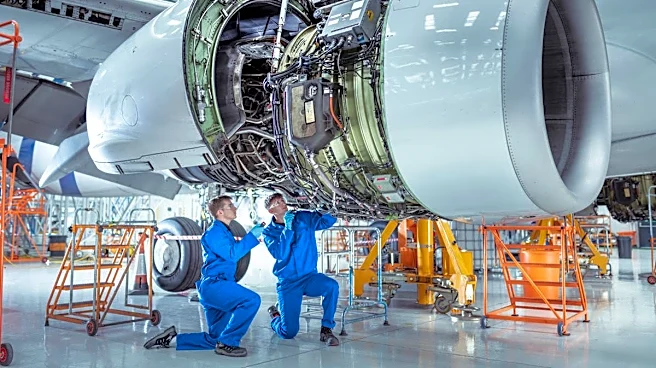
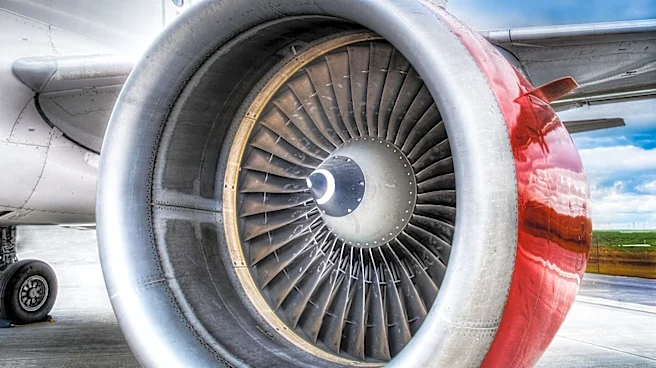
Pratt & Whitney, a subsidiary of RTX, reported a significant 50% increase in its second-quarter operating profit, driven by a surge in aftermarket sales. The company's operating profit reached $738 million, overcoming a slight decline in original equipment
(OE) revenue. This performance was bolstered by a 25% rise in commercial aftermarket revenue, which was volume-driven. Despite delivering more commercial engines than in the previous year, the OE revenue fell due to a change in product mix. The company is also addressing issues with GTF engines, with European low-cost carrier Wizz Air expecting resolution by the end of 2027. Wizz Air's CEO emphasized the importance of resolving these issues before focusing on Airbus ramp-up targets.
Why It's Important?
The increase in aftermarket sales is crucial for Pratt & Whitney as it offsets the decline in OE revenue, highlighting the importance of the aftermarket sector in the aerospace industry. This development is significant for stakeholders, including airlines relying on Pratt & Whitney's engines, as it indicates the company's ability to maintain profitability despite challenges. The resolution of GTF engine issues is vital for airlines like Wizz Air, which have grounded aircraft due to these problems. The company's focus on aftermarket services could influence its strategic direction and impact its relationships with major clients like Airbus.
What's Next?
Pratt & Whitney is expected to continue focusing on resolving GTF engine issues, which could affect its production and delivery schedules. The company's ability to meet Airbus's ramp-up targets for the A320 family will be closely monitored by industry stakeholders. Additionally, the ongoing demand for aftermarket services may lead to further investments in this area, potentially influencing the company's long-term strategy and market position.