








What's Happening?
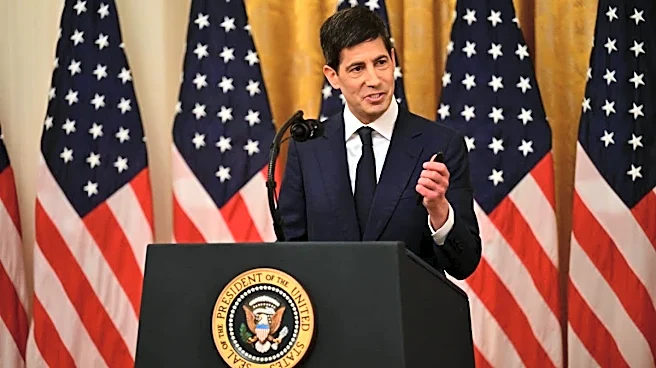
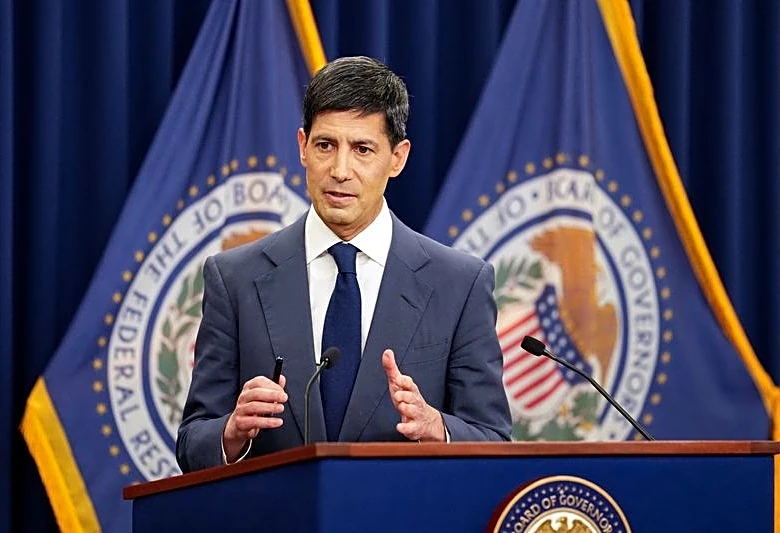
Federal Reserve Chairman Kevin Warsh has announced the formation of task forces to review key aspects of the central bank's policy-making processes. This initiative comes after the first interest-rate-setting Federal Open Market Committee meeting under
Warsh's leadership. The task forces will focus on five critical areas, including inflation, communication strategies, economic data utilization, productivity, and the job market. Warsh aims to enlist top experts from both inside and outside the economics profession to participate in these panels. The review is expected to begin in the coming weeks, with preliminary findings anticipated by the fall and conclusions by the end of the year. A significant focus of the review will be the Federal Reserve's large balance sheet, which Warsh has criticized for distorting market signals and encroaching on decisions that should be made by elected officials.
Why It's Important?
The establishment of these task forces signifies a potential shift in how the Federal Reserve might approach its monetary policy in the future. Warsh's concerns about the Fed's extensive bond holdings highlight ongoing debates about the central bank's role in the economy. The outcome of these reviews could influence future policy decisions, impacting interest rates, inflation control, and overall economic stability. The task forces' findings may lead to changes in how the Fed manages its balance sheet, which could affect financial markets and economic stakeholders. The review process also underscores the importance of transparency and adaptability in central banking, as the Fed seeks to address both current economic challenges and future uncertainties.
What's Next?
As the task forces begin their work, stakeholders in the financial and economic sectors will be closely monitoring their progress and findings. The Federal Reserve's decisions based on these reviews could lead to adjustments in monetary policy, potentially affecting interest rates and market conditions. Financial institutions, investors, and policymakers will need to prepare for possible changes in the Fed's approach to managing its balance sheet and other policy tools. The task forces' conclusions could also spark broader discussions about the role of central banks in modern economies and the balance between market intervention and free-market principles.