









What's Happening?
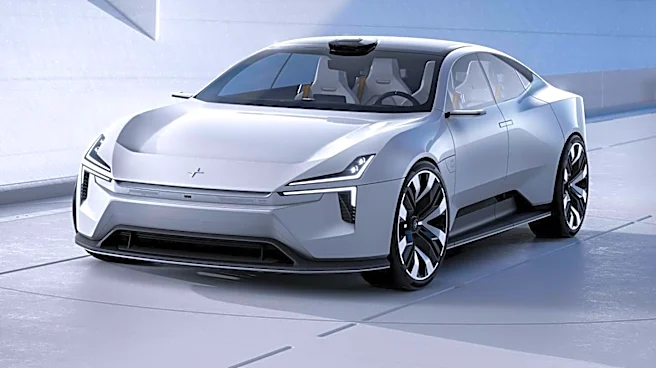
Polestar, a vehicle brand developed by a Chinese company, is facing a significant challenge as it will no longer be allowed to sell new vehicles in the U.S. starting with the 2027 model year. This decision comes after the U.S. Commerce Department denied
Polestar an exemption from the Connected Vehicles Rule, which restricts cars with connected-vehicle technology tied to China. Despite this setback, Polestar reported record sales in the first half of 2026, with 30,423 units sold globally. The company is expanding its retail network and preparing for new model launches, including the Polestar 5 and Polestar 4 SUV.
Why It's Important?
The ban on Polestar highlights the growing tension between the U.S. and China over technology and trade. This decision could impact the U.S. automotive market by reducing competition and limiting consumer choices. For Polestar, losing access to the U.S. market, although not its largest, represents a strategic setback. The move underscores the broader implications of geopolitical tensions on global business operations, particularly for companies with ties to China. It also raises questions about the future of connected vehicle technology and regulatory compliance in international markets.
What's Next?
Polestar plans to continue selling off its existing inventory in the U.S. and maintain access to its service network. The company will also focus on its global markets, where it has seen significant growth. The U.S. automotive industry may see further regulatory actions affecting other foreign brands with similar technology ties. Stakeholders, including consumers and industry players, will be watching closely for any changes in trade policies or technological regulations that could affect market dynamics.