


What's Happening?
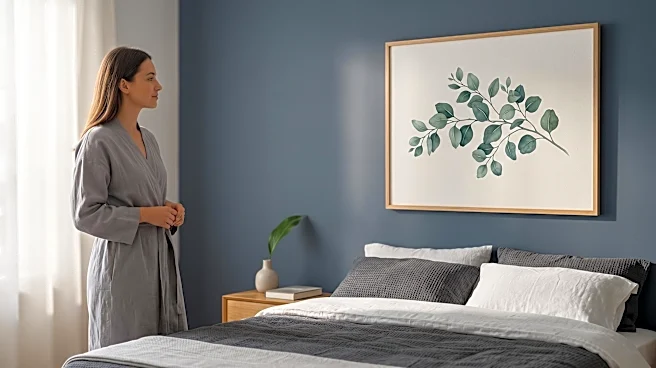
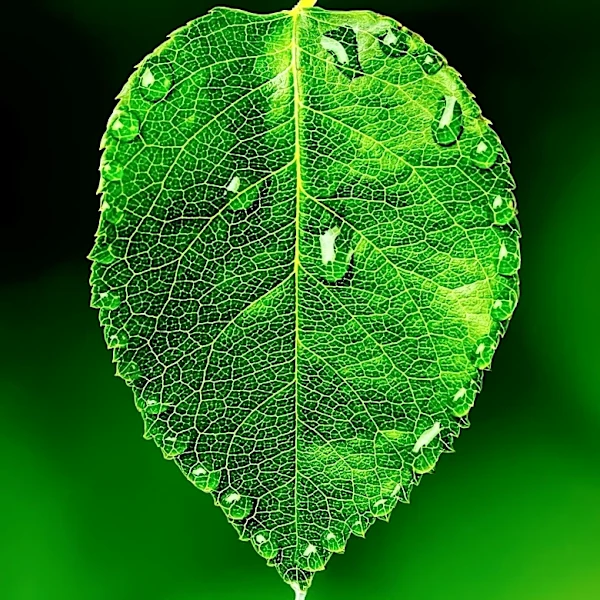
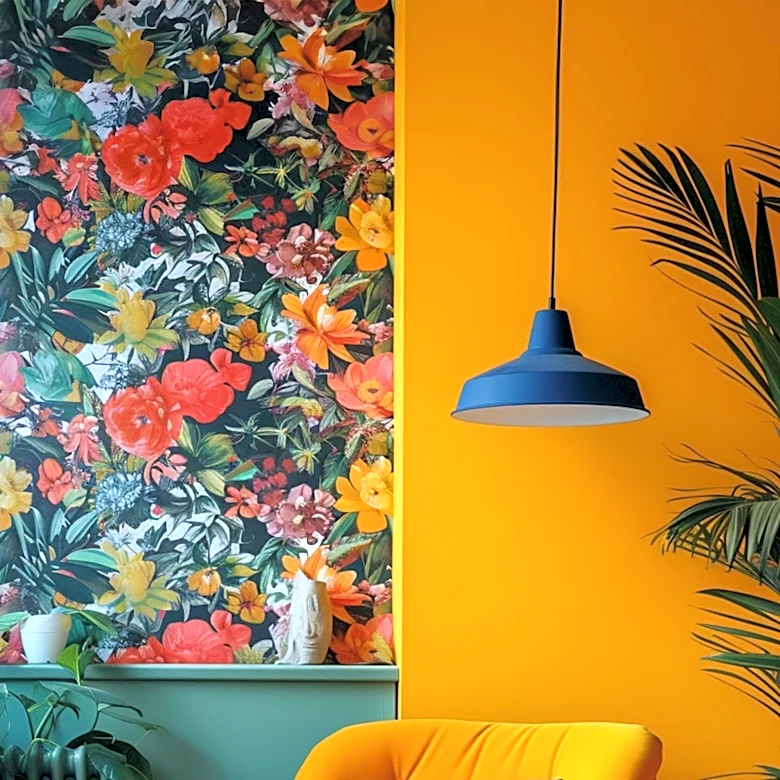
Botanical wall art is emerging as a significant trend in U.S. home decor, particularly for bedrooms, due to its ability to create a serene and inviting atmosphere. This trend encompasses various styles, including delicate floral prints, intricate botanical
illustrations, and nature photography. Interior design experts highlight that botanical art can transform a plain wall into a calming focal point, promoting relaxation and rejuvenation. The versatility of botanical prints allows them to complement diverse decor styles, from minimalist and Scandinavian to rustic farmhouse and French country. Homeowners are choosing pieces that align with their existing color palettes, room sizes, and personal preferences, with options ranging from single statement pieces to elaborate gallery walls.
Why It's Important?
The growing popularity of botanical wall art reflects a broader U.S. consumer desire for home environments that prioritize well-being, tranquility, and a connection to nature. This trend impacts the home decor industry by driving demand for specific art styles, framing options, and color palettes. Retailers and designers are adapting by offering a wider array of botanical-themed products, from framed prints to tapestries, catering to various aesthetic preferences and budgets. The emphasis on creating a 'calming oasis' in bedrooms suggests a shift in consumer priorities towards mental and emotional comfort within their living spaces. This also influences related industries, such as interior design services and online art marketplaces, as consumers seek guidance and access to curated collections that align with this aesthetic. The trend underscores a move towards more thoughtful and intentional decor choices that contribute to a sense of peace and personal sanctuary.
What's Next?
The trajectory of botanical wall art suggests continued integration into mainstream U.S. home decor, with potential for further innovation in materials and display methods. We can anticipate an increase in collaborations between artists and home decor brands to produce exclusive botanical collections. There may also be a rise in DIY botanical art projects, such as pressed flower art, as consumers seek personalized and unique touches for their homes. The trend could also influence other areas of home design, leading to more biophilic elements in furniture, textiles, and overall architectural choices. As sustainability becomes a greater concern, there might be a preference for ethically sourced or environmentally friendly art production. Furthermore, the integration of smart home technology could see dynamic digital botanical displays becoming a feature, allowing homeowners to change their 'wall art' with ease to suit their mood or the season.
Beyond the Headlines
Beyond its aesthetic appeal, the embrace of botanical wall art taps into deeper psychological and cultural currents. It reflects a collective yearning for nature and its calming effects, especially in increasingly urbanized or digitally saturated environments. This trend can be seen as a form of 'biophilia,' an innate human tendency to connect with nature, which has proven benefits for mental health and stress reduction. Culturally, it signifies a return to simpler, more organic forms of beauty, contrasting with more industrial or abstract art forms. The choice of botanical art can also be a subtle statement about environmental consciousness and an appreciation for the natural world. This shift in decor preferences may also indicate a broader societal movement towards mindfulness and creating personal spaces that serve as retreats from external pressures, highlighting the therapeutic role that interior design can play in daily life.