

What's Happening?
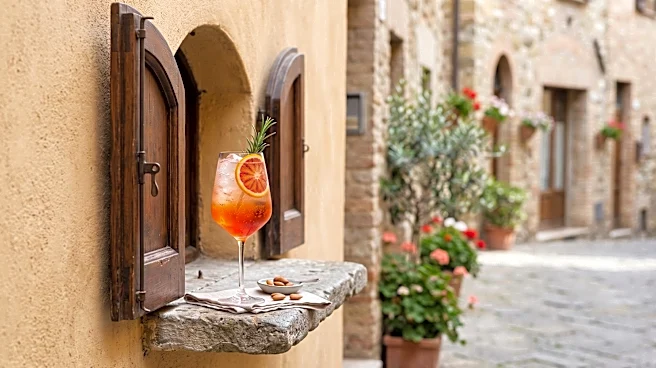
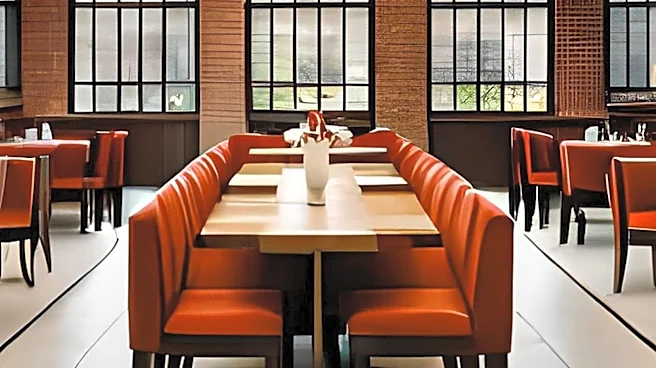
David Matz, owner of the upcoming Italian restaurant 'Davino' in Fulda, Germany, has launched an experimental 'wine window' service. This unique concept, inspired by traditional Italian wine windows, allows customers to order wine, Aperol, or other aperitifs
directly through a small hatch in the restaurant's wall. The service is currently operating on weekends, offering drinks for takeaway or immediate consumption on a planned terrace. Matz aims to bring a piece of Italian culture to Fulda, providing a novel way for residents to enjoy a drink and experience a 'holiday feeling' in their daily lives. The wine window is a precursor to the full restaurant opening, which is anticipated for the summer. This initiative revives an ancient Florentine tradition originally used to prevent contagion during plagues and later saw a resurgence during the COVID-19 pandemic in Italy.
Why It's Important?
This initiative represents a creative approach to customer engagement and pre-opening marketing for a new business. By introducing a unique, culturally rich concept like the wine window, 'Davino' is generating buzz and curiosity before its official launch. This strategy could serve as a model for other hospitality businesses looking to differentiate themselves in a competitive market. The experiment also tests local consumer interest in novel service formats, potentially influencing future trends in the food and beverage industry. If successful, it could encourage the adoption of similar historical or niche service models, offering consumers more diverse and engaging experiences beyond traditional dining. The focus on providing a 'holiday feeling' also taps into a broader consumer desire for unique, escapist experiences, especially in a post-pandemic landscape where people seek new ways to socialize and relax.
What's Next?
The 'wine window' will continue to operate as an experiment, with its long-term viability dependent on customer reception. Matz will assess its popularity to decide if it becomes a permanent feature or simply a temporary pre-opening attraction. Following this experimental phase, the restaurant 'Davino' is expected to officially open in the summer, at which point the full menu and dining experience will be available. The success of the wine window could influence the restaurant's marketing strategies and potentially lead to similar pop-up or unique service offerings in the future. Other local businesses might observe the outcome of this experiment to gauge the potential for introducing similar innovative service models in Fulda.
Beyond the Headlines
The reintroduction of the wine window in Fulda highlights a fascinating intersection of historical tradition and modern consumer trends. Originating centuries ago as a public health measure during plagues, its revival speaks to a renewed appreciation for contactless service and unique cultural experiences. This concept transcends mere novelty; it offers a glimpse into how historical practices can be recontextualized to meet contemporary demands for convenience, safety, and experiential dining. It also underscores the enduring appeal of Italian culture and its influence on global lifestyle trends. The 'wine window' could spark broader conversations about preserving and adapting historical customs in urban environments, potentially inspiring other cities to explore similar heritage-driven innovations in their local economies and cultural landscapes.