




What's Happening?
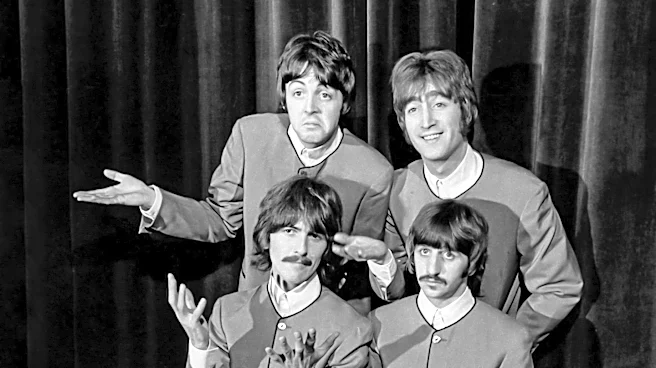
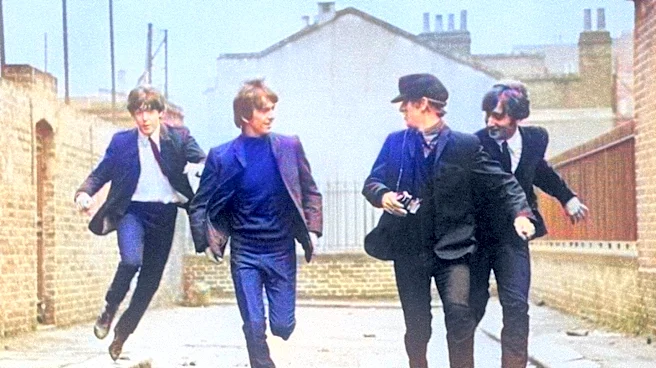
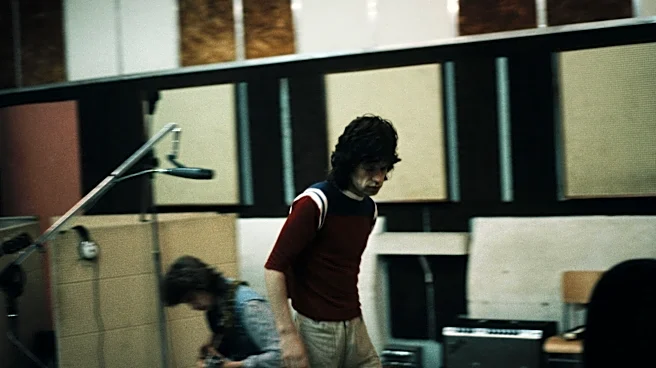
In 1967, The Rolling Stones' song 'We Love You' featured backing vocals from John Lennon and Paul McCartney of The Beatles. This collaboration occurred shortly after Mick Jagger, Keith Richards, and Brian Jones of The Rolling Stones were arrested on drug
charges following a raid on Richards's house, an event that cemented the band's 'bad boy' image. The press at the time often framed a rivalry between The Rolling Stones and The Beatles, portraying the former as daring and dangerous, in contrast to The Beatles' more wholesome image. Despite this public narrative, the bands maintained a relatively warm and cooperative relationship. The decision to include Lennon and McCartney on 'We Love You' was partly a strategic move by The Rolling Stones to boost their own standing and create a 'plot twist' for the press, especially after the negative publicity from the drug bust. It also served as a thank you to The Beatles, who, along with The Who and The Times, publicly supported The Rolling Stones after their arrests.
Why It's Important?
This collaboration between two of the most iconic bands of the era, The Rolling Stones and The Beatles, holds significant cultural and historical importance in the U.S. and globally. It challenged the prevailing media narrative of an intense rivalry, suggesting a more complex relationship between the groups. For The Rolling Stones, securing backing vocals from Lennon and McCartney after their drug bust helped to reframe their public image, demonstrating a level of industry respect despite their controversial status. For Lennon, it offered a chance to participate in a project with a band perceived as edgier, fulfilling a desire to be seen as more dangerous than The Beatles' 'Mop Tops' image allowed. This event underscored the interconnectedness of the music scene and how artists navigated public perception and media scrutiny during a period of significant social and cultural change.
What's Next?
While this event is historical, its implications continue to resonate in the study of music history and band dynamics. Future analyses of The Rolling Stones' and The Beatles' careers will likely continue to reference this collaboration as a key moment that revealed the nuanced relationship between the two groups, moving beyond simplistic 'rivalry' narratives. Music historians and biographers may further explore the personal motivations behind such collaborations and their impact on the bands' creative directions. The ongoing availability of their music and historical accounts ensures that this particular moment in rock and roll history will remain a subject of interest for fans and scholars alike, potentially influencing how future generations perceive the interactions between major musical acts.
Beyond the Headlines
The collaboration on 'We Love You' transcends a simple musical partnership; it highlights the intricate interplay between public image, media portrayal, and artistic integrity in the music industry. The press's creation of a 'Stones vs. Beatles' narrative, while commercially successful, often obscured the genuine respect and occasional cooperation between the bands. This event serves as a reminder that public personas can be carefully constructed and manipulated, even by artists themselves, to achieve specific outcomes or to challenge existing perceptions. It also sheds light on the ethical considerations of media sensationalism and its potential to misrepresent the realities of creative relationships. The episode underscores how artists, even those at the pinnacle of their careers, can leverage their influence to support peers during times of adversity, demonstrating a solidarity that often goes unnoticed amidst the clamor of public rivalry.