



What's Happening?
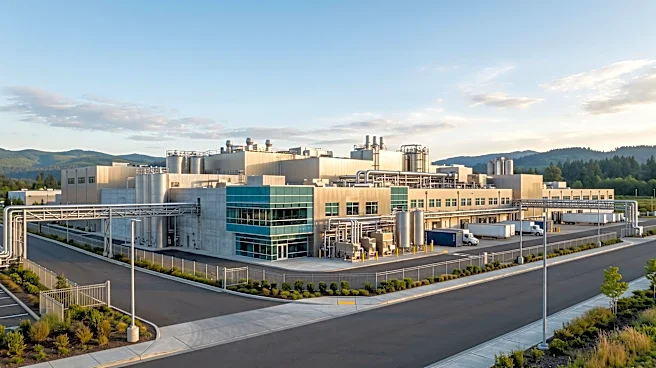
Tyson Foods is exploring the sale of its beef processing plant located in the Pasco area, which is recognized as the largest beef facility in the Pacific Northwest. This plant is a significant employer in Walla Walla County, providing approximately 1,400
jobs. The potential sale comes at a time when Washington farmers are suggesting that state government policies have contributed to the company's decision. This move follows Tyson Foods' recent closure of two other major beef plants, including one in Lexington, Nebraska, which resulted in the loss of around 3,200 jobs. The broader context indicates a trend of consolidation or restructuring within the beef processing industry, with companies like Tyson Foods making strategic decisions regarding their operational footprint.
Why It's Important?
The potential sale of Tyson Foods' Pasco-area beef plant carries significant implications for the U.S. beef industry, regional economies, and the agricultural sector. For the Pacific Northwest, the plant's closure or sale could disrupt the supply chain for cattle producers and impact the availability of processed beef. The loss of 1,400 jobs would have a substantial economic ripple effect in Walla Walla County, affecting local businesses and families. Farmers' concerns about state government policies contributing to the sale highlight potential regulatory challenges or economic pressures faced by large-scale agricultural operations. This situation underscores the ongoing shifts in the meatpacking industry, where companies are navigating factors such as labor costs, market demand, and operational efficiencies, potentially leading to further consolidation or relocation of facilities. The broader trend of plant closures, as seen with the Lexington, Nebraska facility, indicates a challenging environment for large-scale meat processors.
What's Next?
The immediate next step involves Tyson Foods' efforts to find a buyer for its Pasco-area beef plant. The outcome of this sale process will determine the future of the facility and its employees. Local and state government officials, along with agricultural stakeholders, will likely monitor the situation closely, potentially exploring options to mitigate job losses or support affected communities. Farmers may continue to advocate for policy changes that they believe would create a more favorable operating environment for agricultural businesses. The broader industry will observe whether this trend of plant sales and closures continues, potentially leading to further consolidation or changes in the geographic distribution of meat processing capabilities across the U.S. The impact on beef prices and supply chains will also be a key area to watch as these industry shifts unfold.
Beyond the Headlines
Beyond the immediate economic impact, the potential sale of the Tyson Foods plant raises deeper questions about the sustainability and resilience of the U.S. food supply chain, particularly in the meat sector. The concerns voiced by Washington farmers regarding state policies suggest a growing tension between agricultural production and regulatory environments, which could influence future investment and operational decisions for food processing companies. This situation also highlights the vulnerability of communities heavily reliant on single large employers, underscoring the need for economic diversification and robust support systems for workers facing job displacement. The trend of large-scale plant closures could lead to increased concentration in the meatpacking industry, potentially affecting competition, consumer prices, and the bargaining power of independent ranchers. It also prompts a re-evaluation of the balance between economic development, environmental regulations, and the long-term viability of agricultural communities.