






What's Happening?
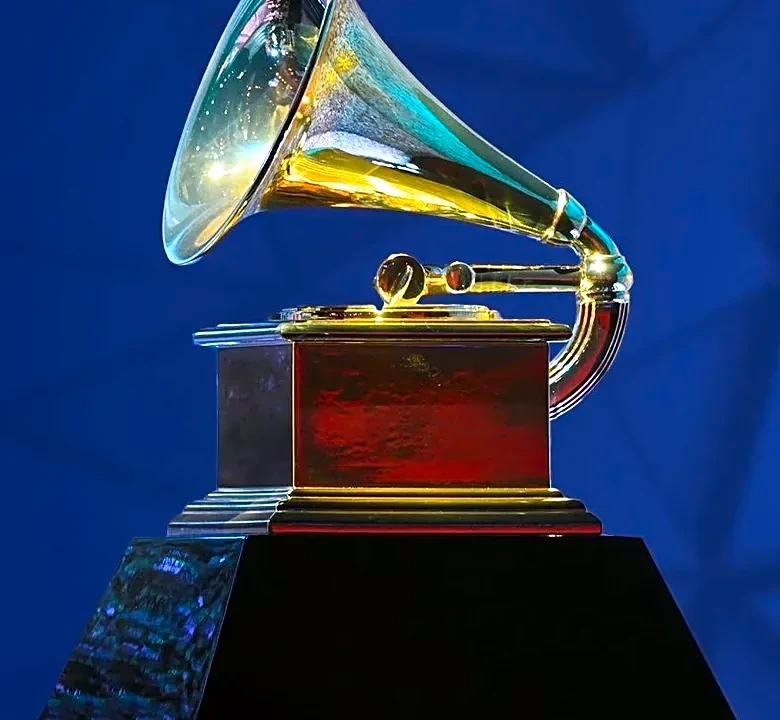
The inaugural AI Music Awards (AIMAs) are set to debut in Los Angeles on November 13, 2026, at The Mayan in Downtown Los Angeles. Organized by the Sonic Intelligence Academy (SIQA), an independent AI music intelligence and infrastructure company, the awards
aim to establish a dedicated platform for AI-generated music and recognize creators utilizing artificial intelligence in their work. The event seeks to position AI creators as artists rather than experimentalists, providing greater visibility to this rapidly evolving creative field. SIQA plans to classify entries into three distinct categories: Fully AI-Generated Music, AI-Assisted Music, and Human + AI Hybrid Music, based on the degree of AI involvement in the creation process. Alongside the awards, SIQA is introducing the SIQA Verified app, designed to identify recordings and report their AI classifications using audio fingerprinting, similar to music identification services but focused on production provenance. This initiative comes amidst ongoing industry debates concerning authorship, originality, copyright, and the economic impact of AI on human musicians.
Why It's Important?
The launch of the AI Music Awards signifies a pivotal moment for the U.S. music industry, as it formally acknowledges and attempts to integrate AI-generated music into the broader entertainment landscape. This event could influence how artistic contribution is defined and valued in an era where technology increasingly blurs the lines of traditional music production. For artists, producers, and record labels, the awards and the accompanying SIQA Verified app could establish new standards for transparency regarding AI involvement in music creation, potentially leading to more consistent disclosure practices. The classification system may also help stakeholders better understand and evaluate different production methods, impacting licensing, copyright discussions, and compensation models. The initiative highlights the growing need for the industry to address complex questions surrounding intellectual property, the ethical use of training data, and the economic implications for human musicians whose livelihoods could be affected by the proliferation of AI-generated content.
What's Next?
Following the inaugural ceremony on November 13, 2026, the music industry will closely observe the reception and impact of the AI Music Awards. The credibility of the AIMAs will depend on the transparency of its judging criteria, eligibility requirements, and its ability to meaningfully distinguish between various forms of AI involvement in music creation. The SIQA Verified app's effectiveness will also be scrutinized, particularly its accuracy in classifying AI-generated content and its adoption by creators, labels, and streaming services. Potential reactions from major stakeholders include increased dialogue among artists, industry bodies, and policymakers regarding copyright reform and fair compensation in the age of AI. The awards could also prompt established music organizations to develop their own frameworks for recognizing and regulating AI-assisted creativity, potentially leading to new industry standards or guidelines for the ethical use of AI in music production and distribution.
Beyond the Headlines
The emergence of the AI Music Awards delves into deeper ethical and philosophical questions about the nature of creativity and authorship. As AI tools become more sophisticated, the definition of an 'artist' and the value attributed to human input versus algorithmic generation will continue to evolve. This development could trigger long-term shifts in music education, intellectual property law, and cultural consumption. The awards might inadvertently accelerate the debate on whether AI-generated works should be afforded the same legal protections and artistic recognition as human-created works, especially concerning copyright ownership when a human's role is primarily prompt engineering. Furthermore, the initiative could influence public perception of AI in creative fields, potentially normalizing its use or, conversely, intensifying calls for stricter regulations to protect human artistry. The success or failure of the AIMAs could set a precedent for how other creative industries grapple with the integration of artificial intelligence.