





What's Happening?
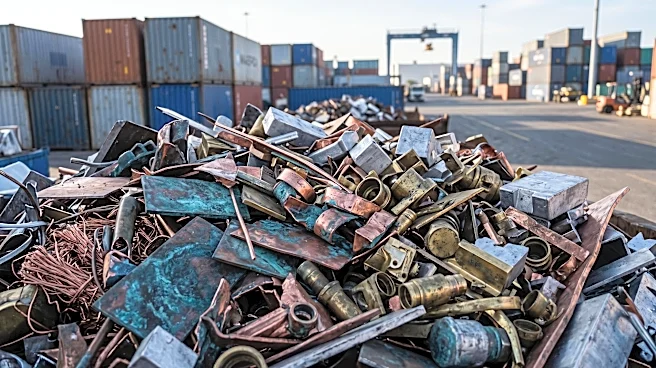
The Recycled Materials Association (ReMA) is actively engaging with U.S. trade officials to address significant disruptions caused by increased inspections of recycled metal imports by the Thai government. These inspections have led to shipping delays
and adversely affected the recycled materials industry, particularly due to the misclassification of nonferrous metals as end-of-life (EOL) electronics. ReMA staff have held virtual meetings with the U.S. Commercial Service (USCS) team in Bangkok, Thailand, to ensure the U.S. administration understands the severity of these concerns. Additionally, ReMA has met with the U.S. Commerce Department, the Office of the U.S. Trade Representative (USTR), and the U.S. Environmental Protection Agency (EPA) regarding the misclassification issue. The association continues to provide the Thai Embassy with examples of the negative impact on U.S. exporters of nonferrous metals. On October 30, ReMA submitted comments to USTR concerning trade barriers to U.S. recycled material exports, as the U.S. and Thailand work towards finalizing an Agreement on Reciprocal Trade (ART) by year-end.
Why It's Important?
The increased scrutiny and misclassification of recycled metals by Thai customs authorities pose a substantial threat to the U.S. recycled materials industry. These disruptions can lead to significant financial losses for U.S. exporters due to delayed shipments, increased operational costs, and potential loss of market access. The proposed full ban on recycled metal imports by the Thai Customs Department, though still under debate, highlights the precarious position of U.S. exporters. Even an alternative import monitoring scheme could perpetuate customs clearance delays, further hindering trade. The engagement of ReMA with various U.S. government agencies underscores the economic importance of this issue, as it impacts a critical sector involved in resource recovery and sustainability. The ongoing discussions are crucial for maintaining stable trade relations and ensuring the continued viability of U.S. recycled material exports to Thailand, especially as both countries aim to finalize a reciprocal trade agreement.
What's Next?
ReMA's Nonferrous Export Trade Challenges Subcommittee will continue to monitor the situation and meet regularly to coordinate industry responses. The association is encouraging its members who are experiencing shipment delays, increased inspections, booking suspensions, or additional financial requirements related to Thailand to share their experiences. This information will be vital in informing ReMA's ongoing engagement with both U.S. and Thai authorities. ReMA staff will continue to track developments and provide updates to its members. A 'Trade and Tariff Talk' is scheduled for November 12, at 3 p.m. ET, to further discuss these issues. The outcome of the U.S. and Thailand's efforts to finalize an Agreement on Reciprocal Trade (ART) by year-end will also be a critical factor in resolving these trade barriers.
Beyond the Headlines
The challenges faced by the U.S. recycled materials industry in Thailand highlight broader issues in international trade and environmental policy. The misclassification of nonferrous metals as EOL electronics points to a potential lack of standardized international definitions for recycled materials, which can create non-tariff trade barriers. This situation could also reflect evolving environmental regulations in importing countries, where concerns about waste management and pollution might lead to stricter import controls. The long-term implications could include a shift in global recycling supply chains, forcing U.S. exporters to seek alternative markets or invest in more rigorous pre-shipment processing to meet stringent import requirements. This scenario underscores the need for international cooperation in developing clear and consistent trade policies for recycled goods to support a circular economy and prevent trade disputes.