






What's Happening?
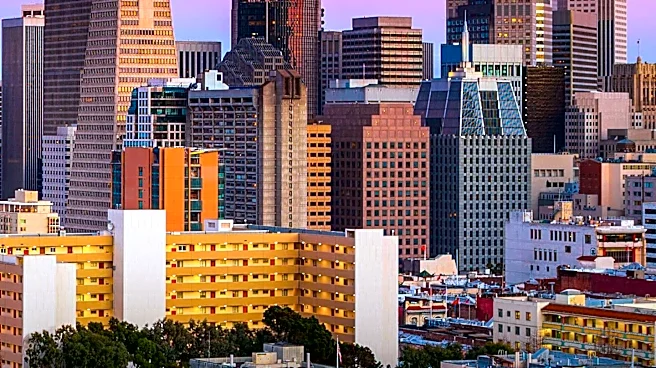
A laundromat owner, Dewi Redpath, has gained significant social media attention after sharing her experience with a customer's post-Burning Man laundry. Redpath, who co-owns Bali Laundry in San Francisco, detailed how a large amount of extremely dusty
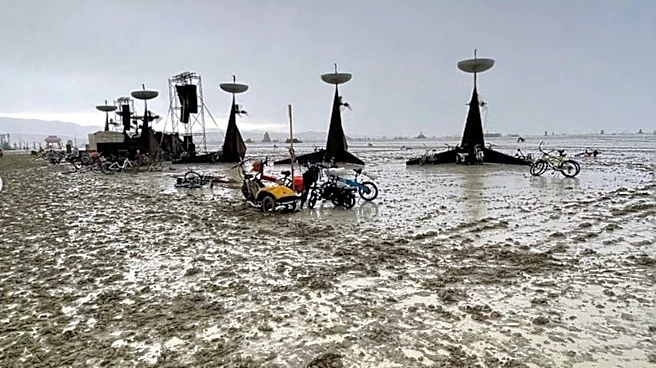
clothes and rugs from the annual Nevada desert festival caused extensive issues in her establishment. The fine, highly alkaline playa dust from the Black Rock Desert covered her largest 60-lb washer and subsequently caked inside multiple dryers, rendering them unusable. The dust also spread throughout the entire laundromat, necessitating a deep clean of the facility. Redpath's video, posted on September 10th, showed the extent of the dust and her efforts to clean the machines, which ultimately required calling a technician for inspection. This incident occurred shortly after her laundromat opened in late August, presenting an unexpected challenge for the new business owner.
Why It's Important?
This viral story underscores the unique challenges businesses face when encountering the aftermath of large-scale events like Burning Man, particularly concerning the distinctive playa dust. For laundromats, the highly abrasive and pervasive nature of this dust can lead to significant operational disruptions, potential damage to machinery, and unexpected cleaning costs. The incident highlights a gap in public awareness regarding the proper handling of items exposed to such environments and the potential impact on local services. It also brings to light the economic burden on small businesses, as Redpath had to spend hours cleaning and then call a technician, incurring unforeseen expenses and downtime. The story serves as a cautionary tale for other service providers in areas frequented by festival-goers, emphasizing the need for clear policies or specialized services to manage such unique cleaning requirements.
What's Next?
Following the incident, Dewi Redpath is considering implementing a specific 'Burning Man laundry policy' for her laundromat to prevent similar occurrences in the future. This could involve special handling fees, designated washing procedures, or even refusal of excessively dusty items to protect her equipment and business. The viral nature of her story may prompt other laundromat owners, especially in regions near large festivals, to review their own policies and prepare for similar situations. It could also lead to increased awareness among Burning Man attendees about the impact of playa dust on local businesses and encourage them to take more proactive measures for cleaning their belongings before seeking commercial services. The technician's inspection will determine the full extent of any damage to Redpath's dryers and the cost of repairs, which could further inform her future business decisions.
Beyond the Headlines
The incident at Bali Laundry extends beyond a simple cleaning mishap, touching upon broader themes of community responsibility and the environmental impact of large gatherings. Burning Man's ethos often includes a 'leave no trace' principle, yet the reality of playa dust infiltration into everyday services like laundromats suggests a disconnect between this ideal and practical execution. The story implicitly raises questions about the responsibility of festival participants to mitigate their environmental and logistical footprint on surrounding communities. It also highlights the evolving nature of small business operations in an era where niche events can create unforeseen demands and challenges. The public's strong reaction to Redpath's story, with many commenters expressing that the client's actions went against Burning Man traditions, indicates a societal expectation for greater consideration and preparedness from event attendees.