


What's Happening?
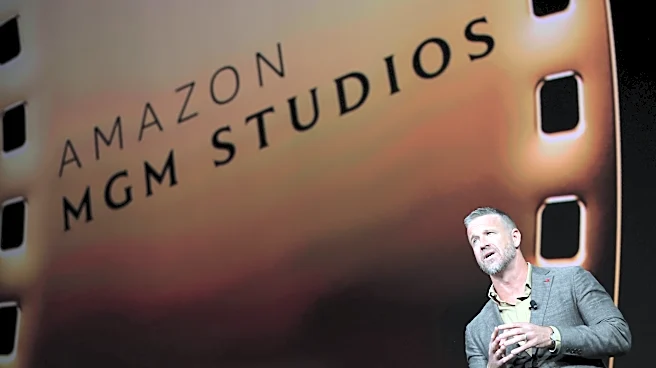
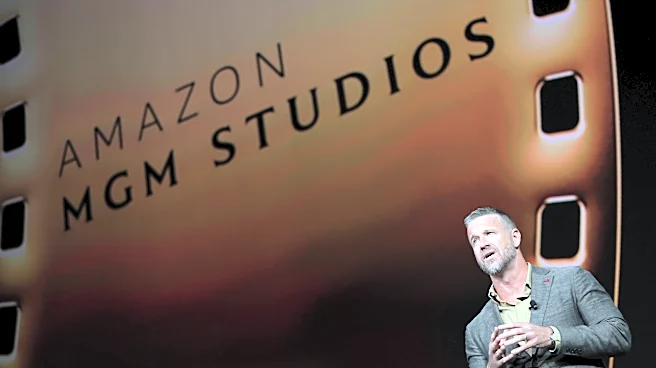
Amazon MGM Studios is focusing its theatrical release strategy on a mix of 'beloved IP' and 'bold, original ideas from filmmakers with distinctive voices,' according to Courtenay Valenti, Head of Film: Theatrical and Streaming. The studio aims for at least
15 theatrical releases annually by 2027, with 14 titles already slated for 2026. This strategy emphasizes existing franchises, remakes, and sequels, such as 'Masters of the Universe,' 'The Thomas Crown Affair,' and 'Highlander,' which constitute a significant portion of their announced slate. For screenwriters, this means that original scripts must possess a strong, unique point of view to compete with established intellectual property. The studio ceased accepting unsolicited script submissions in 2018, now relying on agents and producers to bring in material. This shift reflects Amazon's evolution into a major studio with a deep content library and direct theatrical distribution capabilities following its acquisition of MGM.
Why It's Important?
This strategic direction from Amazon MGM Studios has significant implications for the film industry, particularly for screenwriters and independent filmmakers. The emphasis on established IP suggests a continued trend of major studios prioritizing projects with built-in audience recognition, potentially limiting opportunities for entirely new concepts unless they are exceptionally unique. For screenwriters, the challenge intensifies as their original ideas must demonstrate a 'distinctive voice' strong enough to justify investment alongside proven franchises. This approach could lead to a more curated and potentially less diverse range of theatrical releases from the studio, favoring commercial viability over pure originality. The reliance on agents and producers for submissions also reinforces the gatekeeping nature of Hollywood, making it harder for unrepresented writers to break into the system. This strategy aims to leverage Amazon's extensive resources and MGM's historical catalog to compete effectively in the theatrical market while feeding content to Prime Video.
What's Next?
Amazon MGM Studios is expected to continue scaling up its theatrical releases, aiming for 15 films annually by 2027. This will likely involve further development of existing franchises and active scouting for original projects that align with their 'distinctive voices' criteria. Screenwriters seeking to work with the studio will need to secure representation or connect with producers who have established relationships within Amazon MGM Studios. The studio's focus on both IP and unique originals suggests a dual-track approach to content acquisition, where established properties provide a foundation and select original works offer potential for new franchises. The industry will be watching to see how this strategy impacts the balance between franchise films and original storytelling in the broader theatrical landscape, and how successful Amazon MGM Studios is in achieving its ambitious release targets.
Beyond the Headlines
The shift in Amazon MGM Studios' submission policy and content strategy reflects a broader industry trend where major studios increasingly prioritize risk mitigation through established IP. This approach can stifle truly groundbreaking original content, as the bar for 'bold, original ideas' becomes exceptionally high. The legal hygiene cited for not accepting unsolicited scripts highlights the complex legal landscape surrounding intellectual property in Hollywood, where studios aim to avoid potential claims of idea theft. This creates an ethical dilemma for aspiring writers who lack industry connections, as their creative work may struggle to find an audience without established intermediaries. The long-term implication could be a more homogenized cinematic landscape, where unique voices struggle to emerge unless they fit within very specific, commercially viable parameters defined by major studios. This also underscores the evolving role of streaming services in theatrical distribution, blurring the lines between traditional film production and digital content platforms.