



What's Happening?
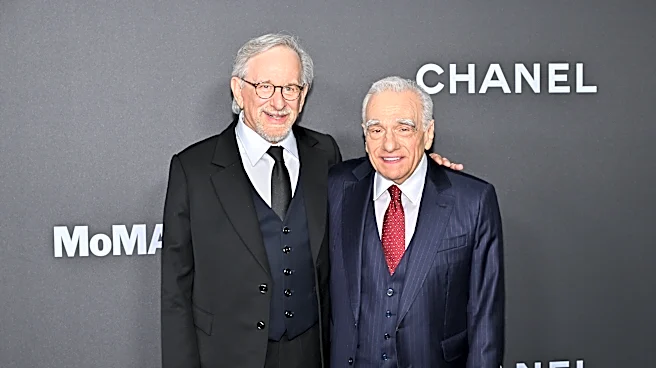
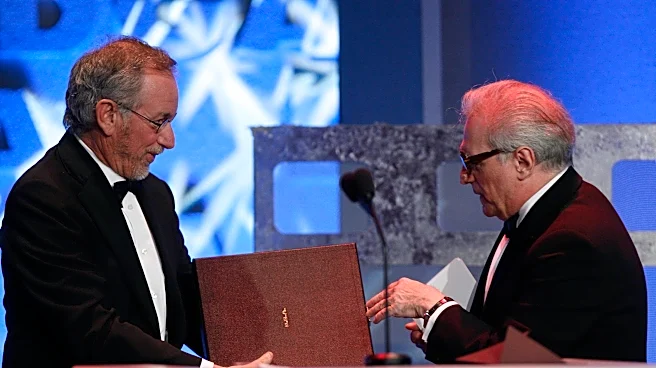
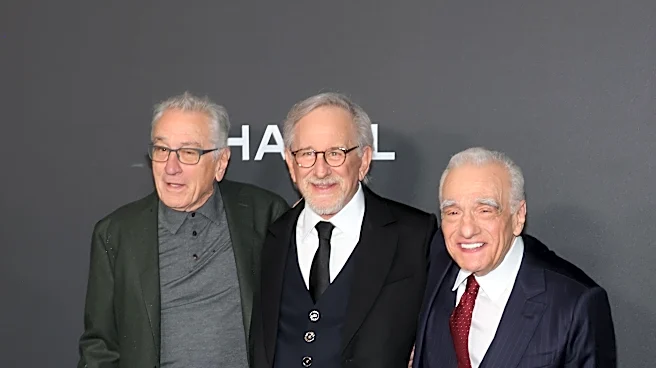
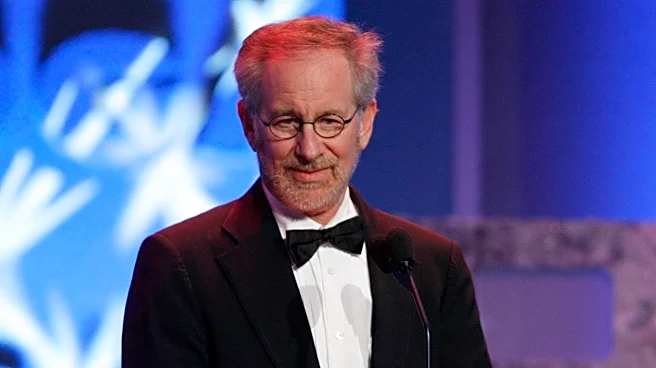
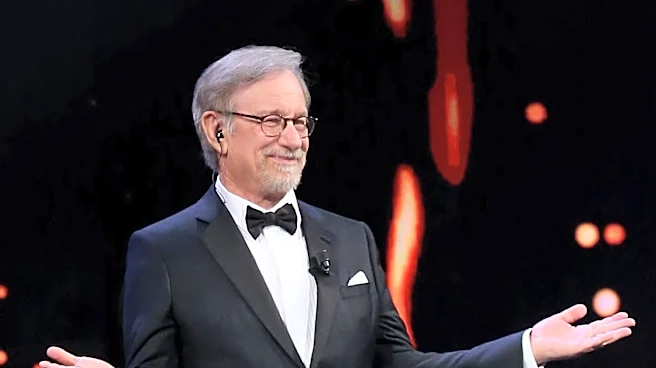
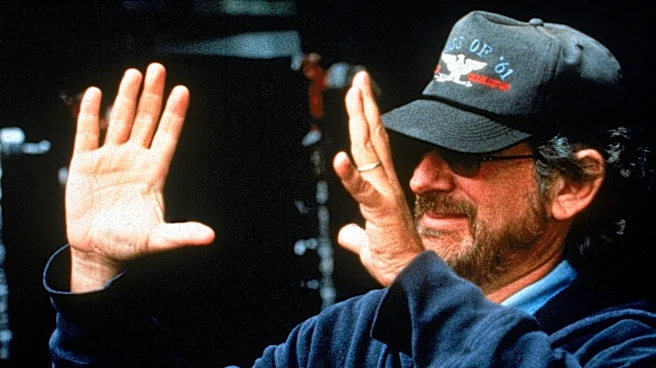
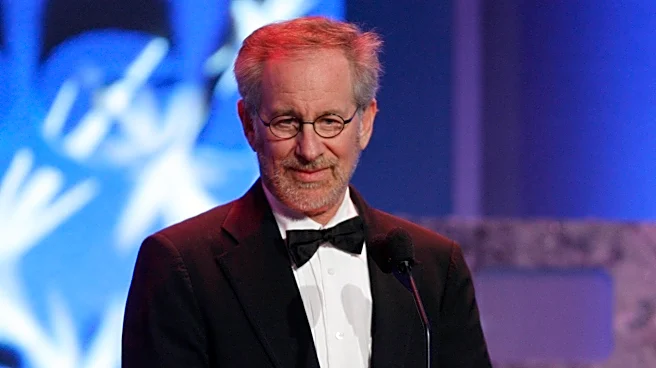
In 1993, Steven Spielberg contemplated handing over the directorial reins of 'Schindler's List' to other filmmakers, including Martin Scorsese and Roman Polanski. This consideration arose due to the profound historical and emotional weight of the project,
which focused on German businessman Oskar Schindler's efforts to save over a thousand Jewish individuals during the Holocaust. Spielberg, who was simultaneously working on the blockbuster 'Jurassic Park', felt a degree of uncertainty about tackling a film so different from his usual adventure and science fiction productions. Roman Polanski declined the offer, citing his personal and family experiences during the Holocaust, which included his mother's death in Auschwitz and his father's survival from Mauthausen. Ultimately, Spielberg decided to direct the film himself, and Liam Neeson was cast in the lead role of Oskar Schindler, despite initial interest from actor Mel Gibson. The production team opted for an actor who was not yet a major film star for the part.
Why It's Important?
The decision-making process behind 'Schindler's List' highlights the significant artistic and personal challenges filmmakers face when addressing sensitive historical events like the Holocaust. Spielberg's initial hesitation and Polanski's refusal underscore the deep emotional and psychological toll such narratives can take, particularly on those with direct personal connections to the events. The film's eventual success, earning seven Academy Awards including Best Picture and Best Director, solidified a new phase in Spielberg's career, demonstrating his capacity to create critically acclaimed dramas alongside commercial blockbusters. The casting of Liam Neeson, a less established star at the time, allowed the audience to focus on the character of Oskar Schindler rather than a pre-existing celebrity persona, which was crucial for the film's authenticity and impact. This approach helped bring the story of Schindler's heroism to a massive global audience, educating millions about a critical period in history.
What's Next?
While 'Schindler's List' was released in 1993, its legacy continues to influence filmmaking and historical education. The film remains a powerful tool for teaching about the Holocaust and the importance of individual courage in the face of atrocity. Future discussions and analyses of Spielberg's career will undoubtedly continue to reference this pivotal work as a turning point. The film's impact on Liam Neeson's career was also significant, establishing him as a serious dramatic actor before his later transition into action roles. The ongoing relevance of 'Schindler's List' ensures its continued presence in film studies, historical curricula, and public discourse about human rights and genocide.
Beyond the Headlines
The narrative surrounding the making of 'Schindler's List' delves into the ethical responsibilities of artists when portraying historical trauma. Spielberg's initial reluctance and Polanski's deeply personal reasons for declining the project raise questions about who is best suited to tell certain stories and the emotional burden involved. The film's stark black-and-white cinematography and its unflinching portrayal of the Holocaust sparked discussions about the appropriate aesthetic and narrative approaches to such sensitive subjects. Furthermore, the film's commercial success, juxtaposed with its profound subject matter, demonstrated that audiences were willing to engage with difficult historical truths, challenging the notion that only escapist entertainment could achieve widespread appeal. This development contributed to a broader cultural shift in how Hollywood approached historical dramas, paving the way for more nuanced and impactful storytelling.