
What's Happening?
The Fulks family, owners of Belvedere Plantation in Spotsylvania County, Virginia, for 58 years, plan to sell their 633-acre property to a data center developer. This decision has generated significant
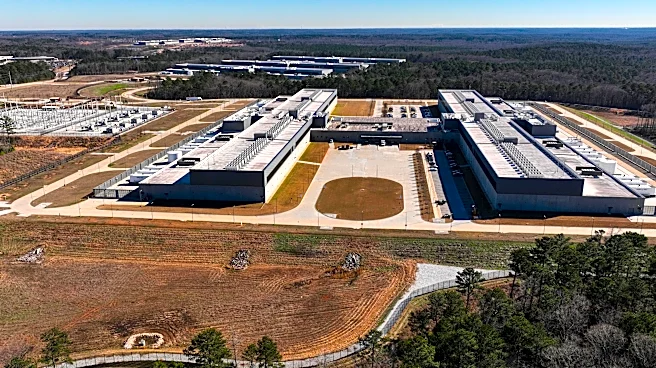
dismay and opposition from local residents, particularly those in the New Post subdivision, who are concerned about the environmental and aesthetic impacts of a massive data center campus. Donnie Fulks, president of Belvedere Plantation, confirmed the sale, stating it was a necessary decision for the family's future generations, despite the emotional attachment to the land. The property has been zoned industrial for decades, including for sand and gravel mining operations. Residents have formed the 'Block Belvedere Data Center' movement, citing concerns about viewshed, noise, pollution, water, and power demands. The developer has not yet submitted a formal plan to Spotsylvania County's planning department.
Why It's Important?
This proposed data center development highlights the growing conflict between rapid technological expansion and community preservation in the U.S. The conversion of a long-standing family farm and community attraction like Belvedere Plantation into a large-scale industrial facility underscores the intense demand for land for data infrastructure. This trend has significant implications for rural and semi-rural areas, potentially transforming their character, increasing industrialization, and impacting property values and quality of life for residents. The community's strong opposition reflects broader concerns about environmental impacts, such as air quality, noise pollution, and strain on local resources like water and power, as well as the loss of scenic landscapes. The situation also brings to light the challenges local governments face in balancing economic development opportunities with community desires and environmental protection, especially when existing zoning allows for industrial uses that may no longer align with current community expectations.
What's Next?
The developer is expected to submit a formal plan for the data center campus to Spotsylvania County's planning department. This will initiate a public process, including reviews by county officials and opportunities for community input. The Spotsylvania Board of Supervisors recently voted to require a Special Use Permit for all data center projects, even on industrially zoned land, and passed a resolution supporting a statewide moratorium on the industry. They also amended the Comprehensive Plan to recommend that only 45% of industrially zoned land be used for data centers. These actions indicate a more cautious approach by the county, suggesting the Belvedere project will undergo rigorous scrutiny. Community groups like Safeguard Spotsy will likely continue their advocacy, pressing for a pause in data center development and raising concerns about the cumulative impact of such projects on the county.
Beyond the Headlines
The Belvedere Plantation case is emblematic of a national trend where the digital economy's infrastructure demands are reshaping landscapes and challenging traditional land use. The ethical dilemma faced by multi-generational landowners, who must weigh their family's financial future against community sentiment and the preservation of their heritage, is a profound one. This situation also exposes the limitations of historical zoning classifications in addressing the novel impacts of modern industrial developments like data centers. The debate extends beyond local concerns to broader questions about sustainable growth, the environmental footprint of the digital age, and the balance of power between corporate interests and community rights. The outcome in Spotsylvania County could set precedents for how other communities across the U.S. manage the influx of data center development, influencing future land use policies and community engagement strategies in the face of technological advancement.