






What's Happening?
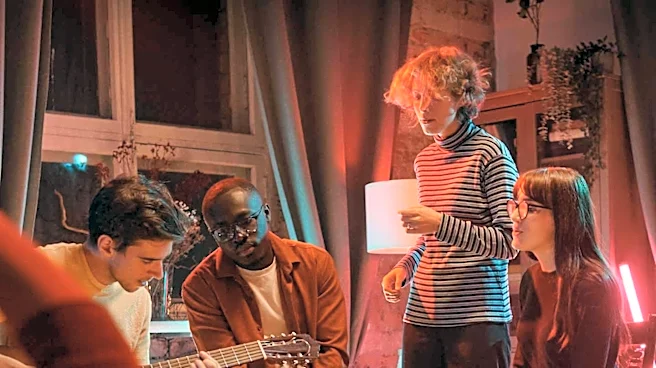
A new Harlem-based choir, 'The Unforgettables,' has launched with the aim of connecting individuals living with Alzheimer's disease and other forms of dementia, along with their caregivers, through the power of music. The initiative, part of New York
State Sen. Cordell Cleare's 'Remembering Harlem' program, held its first rehearsal, focusing on music as a tool for comfort and connection. Helen Morris Jackson, a participant diagnosed with dementia, expressed enjoyment in being around others, while her husband and caregiver, John Jackson, noted it as an opportunity for her to engage outside the home. Dr. Kendra Ray, Chief Research Officer at CaringKind, a New York City nonprofit specializing in Alzheimer's, highlights the benefits of music therapy, including reducing depressive symptoms, restlessness, and improving sleep, often in a short timeframe.
Why It's Important?
This initiative underscores the significant role of non-pharmacological interventions, such as music therapy, in improving the quality of life for individuals with dementia and their caregivers. With memory loss often leading to social isolation and emotional distress, programs like 'The Unforgettables' provide a vital community outlet, fostering connection and reducing stigma. The benefits extend beyond the patients to their caregivers, who often experience high levels of stress. By offering a supportive and engaging environment, the choir helps preserve dignity and provides a means for participants to cherish old memories while creating new ones. This approach highlights a holistic view of care that complements medical treatments, addressing the emotional and social well-being of those affected by Alzheimer's and dementia.
What's Next?
The Unforgettables choir plans to meet weekly at the CUNY Graduate School of Public Health, continuing to offer a consistent platform for music therapy and social engagement. The success of this program could inspire similar initiatives in other communities, demonstrating the potential of arts-based interventions for dementia care. Further research into the long-term impacts of such programs on cognitive function, mood, and caregiver well-being could provide valuable data to support wider adoption. The collaboration between community leaders, non-profits, and healthcare professionals in launching this choir also sets a precedent for integrated support systems for vulnerable populations.
Beyond the Headlines
The Harlem memory choir taps into the profound and often resilient connection between music and memory, even in the face of cognitive decline. It highlights how music can bypass damaged cognitive pathways, allowing individuals with dementia to access and express emotions, and recall memories that might otherwise be inaccessible. This initiative also addresses the often-overlooked social and emotional needs of caregivers, acknowledging their critical role and providing them with a supportive network. Culturally, it reinforces the idea that community and shared experiences are essential components of health and well-being, particularly for conditions that can lead to isolation. The program serves as a powerful reminder that care for dementia extends beyond medical treatment to encompass dignity, connection, and joy.