





What's Happening?
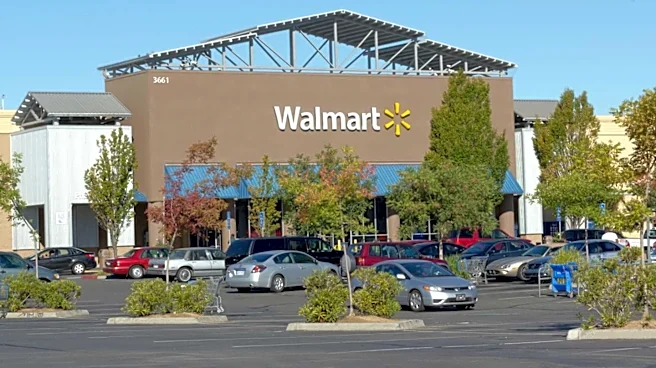
Walmart has launched its 'Pride Always' campaign, promoting a new line of Pride Month apparel and merchandise, including items like a 'beyond gender' notebook, a 'totes gay' tote bag, and a fanny pack stating 'I heart gay people.' This initiative, publicized
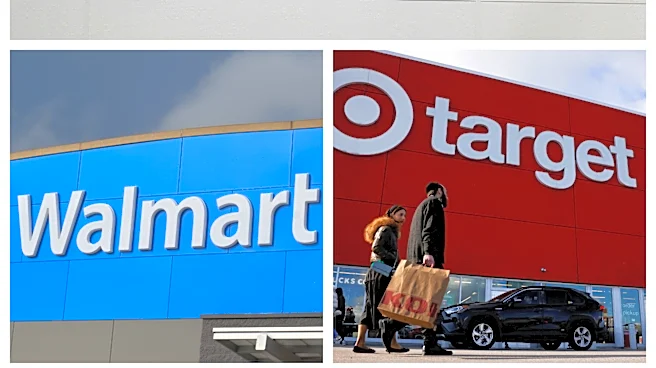
through an Instagram post with the slogan 'Not just a slogan. #PrideAlways is a reminder to lead with love,' comes ahead of June's Pride Month. The move has drawn attention because it appears to contradict previous statements by Walmart U.S. CEO Doug McMillon. McMillon has publicly stated that Walmart does not 'wake up in the morning wanting to go and make social and political statements,' emphasizing the company's desire for all customers and employees to feel comfortable. This marketing shift follows a period where other major retailers, such as Target, faced significant backlash and financial repercussions for their Pride Month displays in 2023.
Why It's Important?
Walmart's decision to actively promote Pride Month apparel carries significant implications for its brand image, customer relations, and market position within the U.S. retail landscape. By engaging in a campaign that some perceive as a social and political statement, Walmart risks alienating a segment of its customer base, particularly those who do not align with LGBTQ+ ideologies. This situation mirrors the experiences of companies like Target and Bud Light, which encountered substantial boycotts and financial losses after similar initiatives. The potential for a negative consumer reaction could impact Walmart's sales, market value, and overall profitability. Conversely, the campaign could strengthen loyalty among customers who support LGBTQ+ inclusivity, but the financial risks associated with such social stances have proven considerable for large corporations. The balancing act between corporate social responsibility and maintaining broad customer appeal is a critical challenge for retailers in today's polarized consumer environment.
What's Next?
The immediate future will likely see increased public and consumer reaction to Walmart's 'Pride Always' campaign. Stakeholders, including conservative consumer groups and LGBTQ+ advocates, will closely monitor the company's sales performance and public sentiment throughout Pride Month. Walmart may need to assess the financial and reputational impact of this campaign, potentially leading to adjustments in future marketing strategies. The company's leadership, particularly CEO Doug McMillon, might face pressure to clarify Walmart's stance on social and political issues, reconciling the current campaign with previous statements of neutrality. Depending on the severity of any backlash or the success of the campaign, other major U.S. retailers may re-evaluate their own approaches to Pride Month promotions, potentially leading to either more cautious or more assertive stances on social issues in their marketing efforts.
Beyond the Headlines
This development highlights a deeper societal tension regarding corporate involvement in cultural and political debates. The concept of 'woke capitalism,' where companies take public stances on social issues, is increasingly influencing consumer behavior and corporate strategy. Walmart's campaign, despite its CEO's stated desire for neutrality, demonstrates the difficulty large corporations face in remaining apolitical in a highly interconnected and socially conscious world. The backlash experienced by other companies suggests that consumers are increasingly willing to use their purchasing power to support or oppose corporate social stances. This trend forces businesses to navigate a complex ethical and commercial landscape, where decisions about inclusivity and social messaging can have profound and unpredictable consequences on their bottom line and public perception. The long-term implications could reshape corporate marketing, forcing companies to either commit fully to social advocacy or adopt more carefully curated, less polarizing approaches.