




What's Happening?
In 2026, bag charms are experiencing a significant evolution, moving beyond the trend of identical plush toys towards more personalized and textured designs. According to 86 York, the current style emphasizes individual expression through elements like
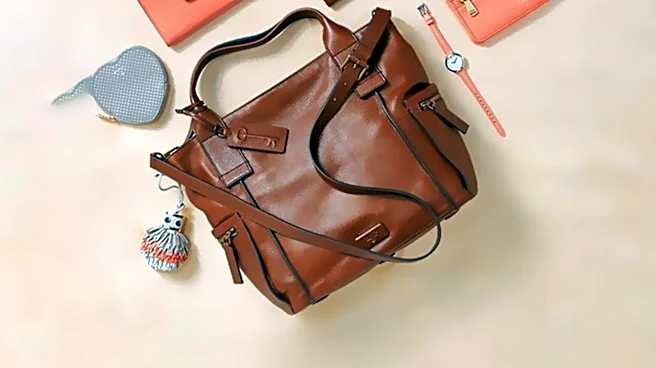
cherries, bows, beads, crochet hearts, tiny pouches, and western details. This shift allows consumers to refresh existing handbags without purchasing new ones. The popularity of bag charms has seen substantial growth, with Lyst figures reported by Numéro (2026) indicating a 153% jump in searches, and a RetailBoss study of Google search data (2026) showing a 2,850% increase in interest for Coach charms between July 2025 and August 2026. This trend is also linked to 'kidults'—adults who find comfort in childlike objects, contributing to the appeal of cute and plush charms. While plush charms remain popular, the focus is now on animal figures rather than cartoon characters, and texture, such as red crochet hearts, is a key element for a contemporary look. Mini bags are also being utilized as charms, reflecting a 'bag on bag' aesthetic.
Why It's Important?
The resurgence and evolution of bag charms highlight a broader consumer trend towards affordable personalization and emotional connection in fashion. For U.S. retailers and designers, this signifies an opportunity to cater to a market seeking unique, low-cost accessories that extend the life and appeal of existing products. The substantial increase in search interest, as reported by Numéro and RetailBoss, indicates a robust demand that businesses can capitalize on. This trend also reflects a psychological aspect, with the 'kidult' phenomenon suggesting that consumers are increasingly valuing items that provide comfort and a sense of nostalgia. Companies that can effectively integrate texture, unique themes, and quality materials into their charm offerings are likely to gain a competitive edge. Furthermore, the shift away from mass-produced, identical items towards more curated and individualistic pieces suggests a maturing market that values authenticity and personal storytelling in fashion accessories.
What's Next?
Looking ahead, the bag charm market is expected to continue its trajectory of personalization and diversification. Consumers will likely seek out charms that offer a clear theme and complement their existing bags, rather than simply following viral trends. Retailers will need to focus on offering a wide array of materials, textures, and designs to meet this demand. The emphasis on proper styling, such as matching charm size to the bag and coordinating colors or materials, suggests that educational content for consumers on how to effectively use charms could become more prevalent. While some designers are exploring moving charms from bags to other accessories like necklaces, the core appeal of bag personalization is expected to remain strong. Businesses that innovate with sustainable materials, unique artisan collaborations, or interactive charm designs could further capture market interest. The continued growth in online searches indicates a sustained consumer appetite for these decorative items.
Beyond the Headlines
The evolving bag charm trend subtly reflects deeper cultural shifts, particularly the increasing desire for individual expression in a world often dominated by mass production. The 'kidult' phenomenon, where adults embrace childlike objects for comfort, points to a broader societal need for emotional well-being and nostalgia in consumer goods. This trend also highlights the cyclical nature of fashion, where accessories once considered niche or fleeting can re-emerge with renewed relevance and sophistication. The emphasis on texture and unique materials in 2026 suggests a move towards more tactile and sensory experiences in fashion, potentially influencing other accessory categories. Furthermore, the ability to easily change charms offers a sustainable aspect, allowing consumers to update their style without constantly buying new bags, aligning with growing environmental consciousness. This micro-trend could also inspire other industries to explore similar low-cost, high-impact personalization strategies.