


What's Happening?
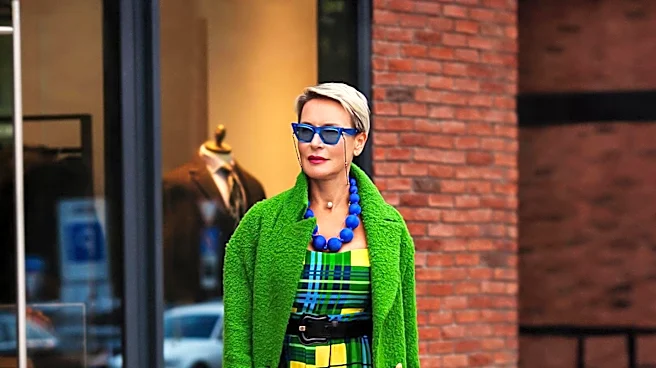
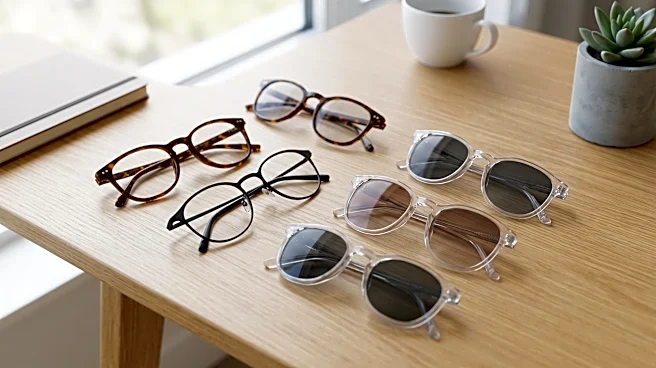
Influencer marketing strategies for eyewear brands are highly segmented, distinguishing between fashion eyewear and medical vision products due to differing regulatory environments and consumer needs. Fashion eyewear, including sunglasses and designer
frames, operates under standard FTC rules, allowing creators to focus on style, fit, and wearability. Content formats like 'try-on hauls' are popular on platforms like TikTok and YouTube, where creators test multiple frames and share real-time reactions. In contrast, medical vision products such as prescription eyewear, contact lenses, and LASIK surgery are subject to FDA advertising restrictions and state medical board rules. This necessitates creators to provide substantiated claims and authentic personal experiences, often documenting a 'journey' from eye exam to post-operative recovery. Instagram is a key platform for fashion eyewear, while YouTube is essential for LASIK and premium prescription brands due with its long-form content capabilities.
Why It's Important?
This differentiated approach to influencer marketing is crucial for U.S. eyewear brands to ensure compliance, maximize ROI, and effectively reach their target audiences. For fashion eyewear, leveraging platforms like TikTok for 'try-on hauls' allows brands to tap into impulse purchase culture and reach younger demographics, driving high engagement and sales. The less stringent regulatory environment enables creative freedom and aspirational content. Conversely, for medical vision products, adherence to FDA and state regulations is paramount to avoid legal repercussions. Influencers for these categories must build trust through authentic narratives and substantiated claims, which is vital for high-stakes decisions like LASIK surgery. This strategic segmentation ensures that marketing efforts are not only effective in driving conversions but also legally sound, protecting both brands and consumers in a highly regulated industry. The varying content formats and platform choices reflect the distinct consumer journeys for each product type.
What's Next?
The future of influencer marketing in the eyewear sector will likely see continued specialization and refinement of strategies. Brands will further invest in data analytics to precisely measure the ROI of different creator types and content formats across various platforms. We can expect an increase in micro and nano-influencer collaborations for both fashion and medical eyewear, as these creators often offer higher authenticity and engagement within niche communities. Regulatory bodies may also issue clearer guidelines for influencer marketing, particularly for medical devices and services, prompting brands to develop more robust compliance frameworks. The integration of virtual try-on tools, as mentioned in the source, will become more prevalent in tracking creator-attributed traffic for retail eyewear. Additionally, as platforms evolve, new content formats and engagement models will emerge, requiring brands to continuously adapt their influencer strategies to stay relevant and effective.
Beyond the Headlines
Beyond the tactical aspects, the divergence in influencer marketing for fashion versus medical eyewear highlights broader societal trends in consumer trust and information consumption. For fashion, the emphasis on aspirational lifestyle and peer recommendations reflects a culture where personal style is a form of self-expression and social currency. For medical products, the demand for authentic 'journey' content underscores a growing consumer need for transparency, credibility, and relatable experiences when making health-related decisions. This distinction also touches upon the ethical responsibilities of influencers, particularly when promoting products with health implications. The need for substantiated claims and clear disclosures in medical contexts emphasizes the power of influencer endorsements and the potential for misinformation. This trend suggests a future where consumers are increasingly discerning about the sources of their information, demanding both entertainment and education, depending on the product category, and holding influencers to higher standards of accountability.