








What's Happening?
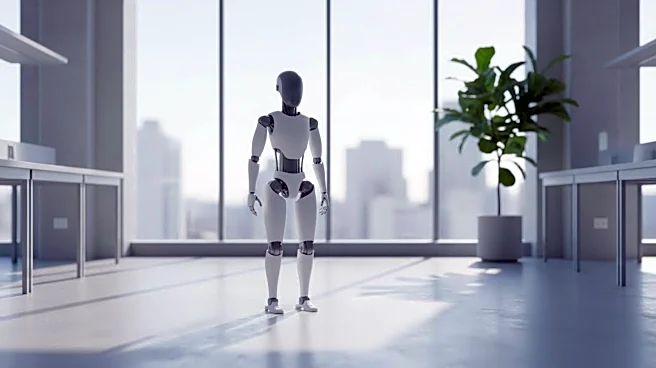
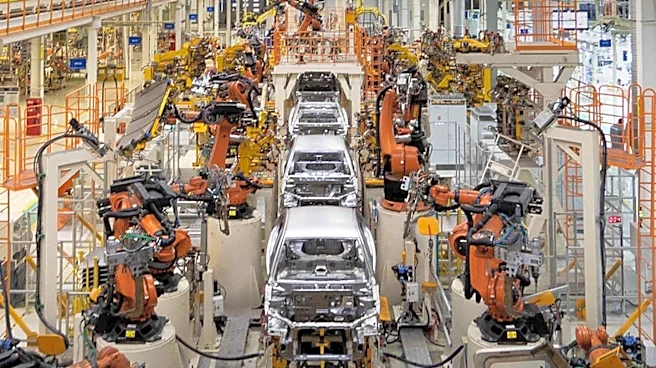
BMW Group has initiated the deployment of Figure AI's Figure 03 humanoid robots at its Spartanburg plant in the U.S. These robots are designed to automate parts sorting and sequencing, a critical process in vehicle production. The Figure 03 robots will
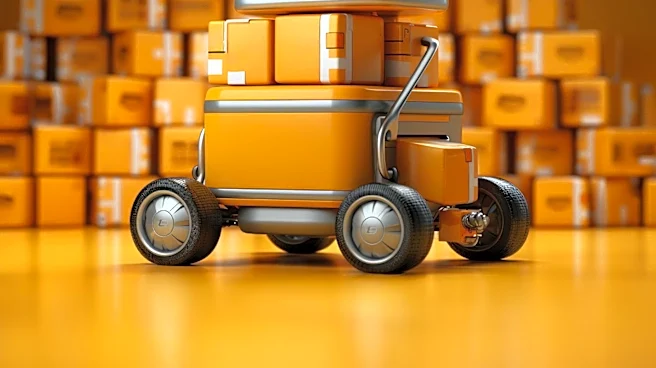
sort components from large containers into sequencing trolleys, which are then delivered to assembly lines by automated vehicles. This deployment follows an 11-month pilot of the Figure 02 robot, which successfully demonstrated the capability of humanoid robots to perform complex manufacturing tasks. The initiative is part of BMW's broader Physical AI strategy, which aims to integrate artificial intelligence with robotic systems to enhance automation without replacing existing systems. The robots are intended to handle repetitive, physically demanding, and safety-critical tasks, allowing human workers to focus on higher-value activities.
Why It's Important?
The deployment of humanoid robots at BMW's Spartanburg plant represents a significant advancement in manufacturing automation. By integrating these robots, BMW aims to improve efficiency and safety in its production processes. This move could set a precedent for other manufacturers, highlighting the potential of humanoid robots to complement human labor rather than replace it. The initiative also underscores the growing role of artificial intelligence in industrial settings, potentially leading to broader adoption across various sectors. For BMW, this strategy could enhance its competitive edge by optimizing production capabilities and reducing operational risks associated with manual labor.
What's Next?
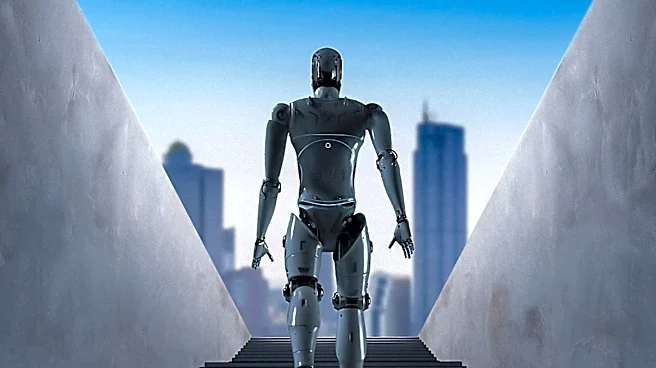
BMW plans to expand the use of humanoid robots beyond the Spartanburg plant, with preparations underway for their first European deployment at the Leipzig plant in Germany. This expansion indicates a commitment to integrating advanced robotics into global operations. As the technology proves successful, other automotive manufacturers may follow suit, leading to a shift in industry standards. Additionally, the continued development of humanoid robots could result in further enhancements in their capabilities, making them even more integral to manufacturing processes.