






What's Happening?
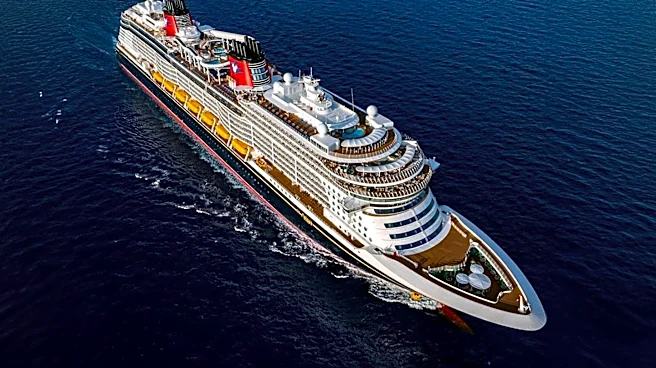
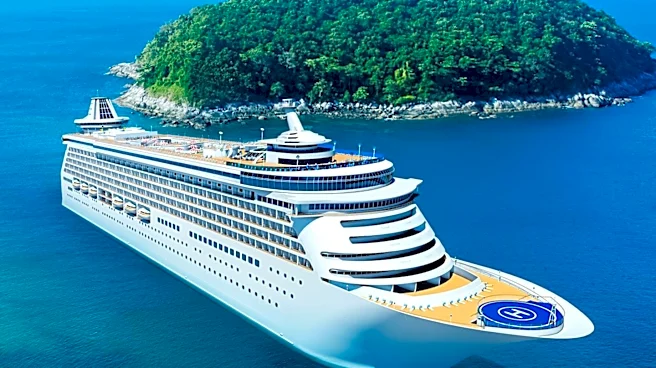
Cruise ships frequently dock at ports located significant distances from the major tourist attractions listed on itineraries, according to travel experts. This is primarily due to the need for deep water and large facilities to accommodate modern cruise
vessels, which are often described as 'floating cities.' For instance, a cruise line might list 'Rome' on an itinerary, but the ship will dock in Civitavecchia, approximately 40 minutes by train or an hour by car from the city center. Similarly, Florence is accessible via La Spezia or Livorno, and in the U.S., Port Canaveral, serving Orlando, is about an hour's drive from theme parks. Cruise lines often indicate these port cities in parentheses next to the better-known destination, signifying a region rather than a direct city-center arrival. This practice means that passengers often need to arrange additional transportation, whether through cruise line excursions, rental cars, or third-party tour groups, to reach their desired landmarks.
Why It's Important?
This logistical reality has significant implications for the cruise industry and its passengers. For travelers, it means that a seemingly convenient itinerary might involve substantial additional travel time and cost, potentially reducing the actual time spent at a destination. This can lead to a less immersive experience if not properly planned. For cruise lines, managing passenger expectations and providing efficient transportation solutions are crucial for customer satisfaction. Companies like Shore Excursions Group emphasize maximizing the in-port experience, even if it involves more travel time, by offering curated tours and guarantees for return to the ship. The trend also highlights the growing size of cruise ships, which necessitates larger, more specialized port infrastructure, often located away from historic city centers. This can influence destination choices for travelers, with some opting for river cruises or smaller ships that can dock closer to urban areas.
What's Next?
As cruise ships continue to grow in size and the demand for diverse itineraries increases, the challenge of distant ports is likely to persist. Cruise lines will continue to refine their excursion offerings and communication with passengers to manage expectations regarding travel times. Third-party excursion providers will likely see continued demand for their services, especially those offering guarantees and comprehensive tour packages. There may also be a growing interest in alternative cruising options, such as river cruises or smaller ship voyages, which inherently offer closer access to city centers. Additionally, as some destinations implement restrictions on cruise ship size or passenger numbers, smaller vessels might gain an advantage by being able to access ports closer to attractions, potentially influencing future shipbuilding and itinerary planning strategies within the industry.
Beyond the Headlines
The phenomenon of distant cruise ports touches upon broader themes of sustainable tourism and urban planning. As major tourist destinations grapple with overtourism, the location of cruise ports outside city centers can be seen as a double-edged sword. While it might alleviate some direct pressure on urban infrastructure, it shifts the burden of transportation and its environmental impact to surrounding areas. There's also an ethical dimension concerning transparency in itinerary descriptions; while cruise lines often provide parenthetical clarifications, the allure of a major city name can still mislead some travelers. This situation underscores the importance of informed travel planning and the role of travel agencies and tour operators in providing realistic expectations and logistical support. It also highlights the evolving relationship between the cruise industry and local communities, as the economic benefits of tourism are weighed against the logistical and environmental challenges posed by large-scale operations.