
What's Happening?
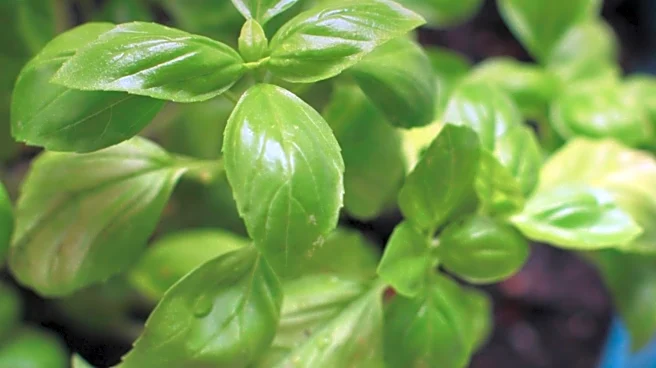
A comprehensive guide outlines the essential care requirements for growing basil, both indoors and outdoors, for U.S. home gardeners. Basil thrives in warm soil (above 50°F at night), requires 6-8 hours of direct sunlight, and consistently moist, well-drained
soil with a pH between 6.0-7.0. For outdoor cultivation, timing is crucial, with planting recommended at least two weeks after the last frost date when nighttime temperatures consistently stay above 50°F. Indoor basil plants demand at least six hours of bright, direct light, often requiring supplemental LED grow lights during winter months. Temperature and humidity are also critical, with indoor basil preferring temperatures between 65°F and 80°F and suffering in dry air below 40% relative humidity, which can be mitigated with pebble trays. Regular pruning and harvesting are emphasized as the single best practice for healthy basil, promoting bushier growth and delaying flowering by pinching off flower buds.
Why It's Important?
This detailed guide is important for U.S. home gardeners as it empowers them to successfully cultivate one of the most popular herbs, leading to a steady supply of fresh basil for culinary use. By providing specific instructions on light, temperature, soil, and watering, it helps gardeners avoid common pitfalls that lead to plant failure, thereby saving time, effort, and money. The emphasis on both indoor and outdoor growing techniques extends the harvesting season, allowing for year-round access to fresh herbs, even in colder climates. Furthermore, the guide's advice on pest and disease management, such as identifying and treating aphids, spider mites, and downy mildew, contributes to more resilient and productive gardening practices. This knowledge fosters self-sufficiency in food production and encourages a deeper connection to the food system, promoting healthier eating habits and sustainable living within U.S. households.
What's Next?
Gardeners are advised to follow seasonal tips for basil care, including starting seeds indoors 6-8 weeks before the last frost in spring, harvesting weekly during peak summer, and bringing potted basil indoors before nighttime temperatures drop below 50°F in fall. During winter, indoor basil will require LED grow lights and reduced watering. The guide also recommends specific basil varieties suited for different uses and growing conditions, such as Genovese for pesto and Thai Basil for stir-fries. Companion planting strategies, like pairing basil with tomatoes to repel pests, are also suggested. Continuous monitoring for pests and diseases, along with appropriate interventions, will be essential for maintaining healthy plants. The availability of such comprehensive resources encourages more individuals to engage in home gardening, potentially increasing the demand for gardening supplies, seeds, and educational materials.
Beyond the Headlines
Beyond the practical aspects of growing basil, this guide touches upon broader themes of food sovereignty and the therapeutic benefits of gardening. For many in the U.S., cultivating herbs like basil offers a small but significant step towards controlling their food sources and reducing reliance on commercial supply chains. The act of nurturing a plant, from seed to harvest, provides a sense of accomplishment and connection to nature, which can be particularly valuable in urban environments. The detailed instructions also highlight the scientific principles behind plant growth, encouraging a more informed and analytical approach to gardening. This engagement can foster a greater appreciation for ecological processes and the delicate balance required for successful cultivation. Moreover, the guide implicitly promotes sustainable practices by encouraging home growing, which reduces food miles and packaging waste, contributing to a more environmentally conscious lifestyle.