






What's Happening?
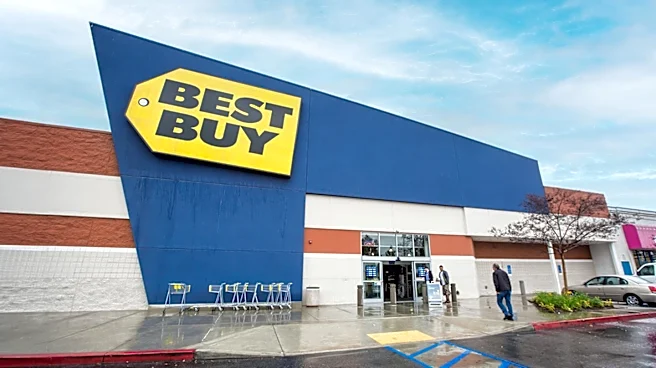
Best Buy has unveiled its plans for the 2026 Black Friday sale, which will feature deals on high-demand electronics such as large TVs, Windows laptops, gaming consoles, and espresso machines. The retailer intends to roll out two waves of early Black Friday deals before
a 10-day savings event leading up to Black Friday proper on November 27. The main sale period will run from Thursday, November 19, through Saturday, November 28. Best Buy's 'My Best Buy' program members (Plus and Total tiers) will receive double points on purchases made between November 19 and December 6. A significant policy change for the holiday season is that Best Buy will not price-match official Black Friday deals from other retailers, nor any items on sale elsewhere from the Thursday before Thanksgiving through Cyber Monday. However, Best Buy will price-match its own deals if an item purchased between now and December 31 becomes cheaper later in the season. Best Buy stores will be closed on Thanksgiving Day, November 26, continuing a policy in place since 2020.
Why It's Important?
This announcement is important for U.S. consumers and the retail sector, particularly given the current economic climate and potential price hikes due to a global memory crisis affecting tech products. Best Buy's strategy of early deal releases and a prolonged savings event aims to capture consumer spending over an extended period, potentially alleviating the intense single-day rush of Black Friday. The decision to suspend price matching during the peak holiday shopping period could impact consumer behavior, as shoppers will need to weigh the immediate purchase against the possibility of better deals elsewhere without the safety net of a price match. This policy shift might encourage consumers to return items purchased at Best Buy to buy them cheaper from competitors, creating logistical challenges for the retailer. For 'My Best Buy' members, the double points offer provides an incentive for loyalty, potentially driving repeat business during the competitive holiday season. The closure on Thanksgiving Day aligns with a broader trend among major retailers, reflecting a shift towards prioritizing employee well-being and online sales.
What's Next?
Best Buy will proceed with its planned two waves of early Black Friday deals, followed by the main 10-day savings event around November 27. Consumers can expect to see specific deals on large TVs, Windows laptops, gaming consoles, and espresso machines. The retailer has indicated that items marked with a 'Black Friday Deal' badge are available in limited quantities, suggesting that high-demand products, such as gaming consoles and special-edition variants, are likely to sell out quickly. Best Buy has not yet announced its store hours for Black Friday 2026, but last year stores opened at 6 a.m. local time. Following the Black Friday event, Best Buy will host a Cyber Sunday and Monday Sale Event on November 29 and 30, followed by Cyber Week Deals from December 1 to 6, and a Last-Minute Savings Event from December 18 to 24. Shoppers will need to monitor deals closely and make purchasing decisions without the benefit of price matching against competitors during the holiday period.
Beyond the Headlines
Best Buy's Black Friday strategy reflects a broader evolution in holiday retail, moving away from a single-day event to a prolonged shopping season. This shift has implications for consumer psychology, potentially leading to 'deal fatigue' but also allowing for more staggered purchasing decisions. The exclusion of price matching during the holiday period, while potentially frustrating for some consumers, could be a strategic move by Best Buy to protect profit margins amidst rising costs, particularly those related to the global memory crisis. This policy might also be an attempt to streamline operations during a high-volume period, reducing the complexity of price adjustments. The emphasis on online deals and the Thanksgiving Day closure highlight the increasing dominance of e-commerce and the changing nature of in-store retail experiences. This approach could further solidify the trend of online shopping as the primary channel for holiday deals, while physical stores might focus more on customer service and product demonstrations rather than doorbuster chaos.