



What's Happening?
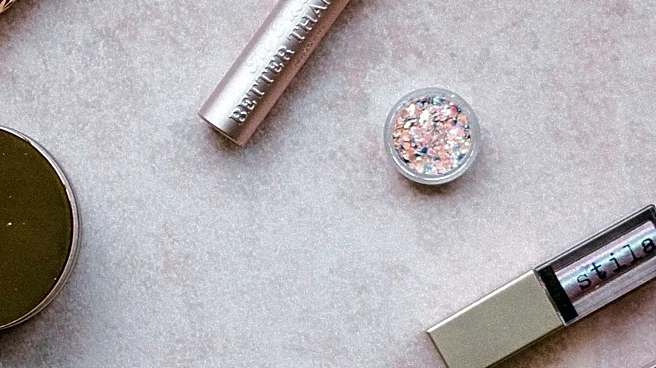
Tarte Cosmetics has launched a new product called the 'Snatch Stick,' a crayon-like contour stick, with a controversial marketing campaign. The campaign involved sending plastic surgery-themed mailers and 'glambulances' to influencers. The mailers featured
images of syringes, tweezers, scissors, and influencers' photos with dashed lines indicating potential plastic surgery markings on their faces. Some mailers even included a 'prescription' for various cosmetic procedures like rhinoplasty and Botox, implying the Snatch Stick could achieve similar results without surgery. Additionally, Tarte dispatched 'glambulances' to influencers' homes in Los Angeles and New York, where makeup artists, dressed as medical professionals, applied the Snatch Stick to influencers lying on gurneys. The brand stated that the vehicles used were retired ambulances and not active emergency service vehicles. Tarte Cosmetics CEO Maureen Kelly defended the campaign, calling it a 'playbook' for virality and a 'fun, shareable way' to communicate the product's benefits.
Why It's Important?
This marketing strategy by Tarte Cosmetics highlights a growing trend in the beauty industry where brands leverage shock value and social media virality to promote products. The campaign has sparked a significant debate among consumers and influencers regarding body image, the ethics of promoting cosmetic procedures, and the potential insensitivity of using medical imagery for commercial purposes. While some influencers found the campaign humorous and effective in demonstrating the product's contouring capabilities, others, like TikTok creator Maria Helen Rue, found it 'disturbing' and felt it implied a need for cosmetic alterations. The use of 'glambulances' also drew criticism for trivializing emergency medical services. The mixed reactions underscore the challenges brands face in navigating sensitive topics in their marketing, especially when targeting a diverse audience on social media platforms. The brand reported selling 2.4 times the expected number of Snatch Sticks, indicating that despite the controversy, the campaign was commercially successful in generating buzz and sales.
What's Next?
The immediate aftermath of the campaign suggests that Tarte Cosmetics will likely continue to monitor public sentiment and potentially adjust future marketing strategies based on the feedback received. Given the reported sales success, the brand may view this controversial approach as effective for generating product awareness and driving purchases. However, the backlash from some influencers and consumers could lead to a more cautious approach in future campaigns to avoid alienating segments of their customer base. Other beauty brands will likely observe Tarte's experience to inform their own marketing decisions, weighing the potential for viral success against the risk of negative public perception. The ongoing discussion on social media about the campaign's ethics could also influence broader industry standards regarding responsible marketing in the beauty sector.
Beyond the Headlines
The Tarte Cosmetics campaign delves into deeper societal implications concerning beauty standards and the pervasive influence of social media. By mimicking plastic surgery procedures, the campaign inadvertently highlights the pressure individuals, particularly women, face to conform to idealized appearances. The mixed reactions from influencers and the public reveal a complex relationship with cosmetic enhancements and the role of makeup in achieving desired looks. The campaign's success, despite its controversial nature, also underscores the effectiveness of 'rage-bait' marketing in the digital age, where generating strong reactions, positive or negative, can translate into increased visibility and sales. This raises questions about the long-term impact of such strategies on consumer psychology and the normalization of cosmetic procedures. Furthermore, the trivialization of medical services, even with retired vehicles, points to a broader cultural trend where serious societal elements are co-opted for commercial gain, potentially desensitizing the public to their original significance.