



What's Happening?
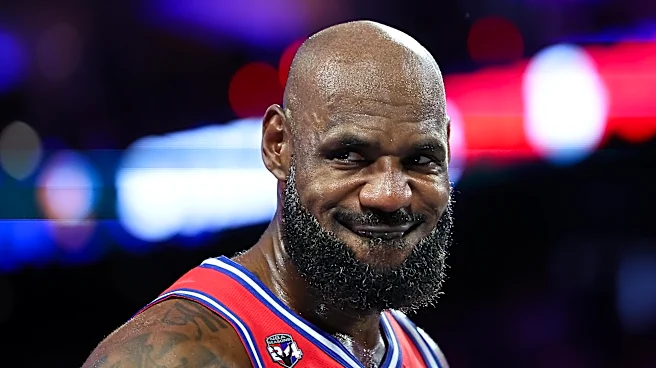
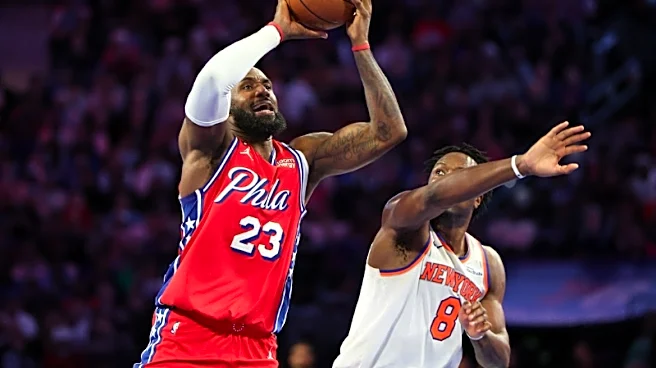
During a recent game between the Philadelphia 76ers and the Chicago Bulls at Xfinity Mobile Arena, LeBron James engaged in an unusual interaction with a fan, taking a sip from their cup. According to ESPN's Kris Rhim, the season-ticket holder, identified
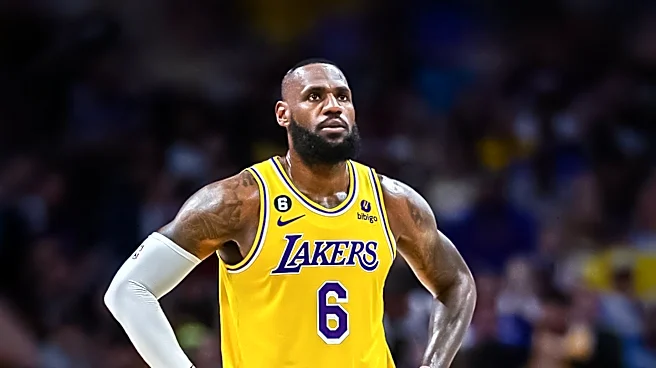
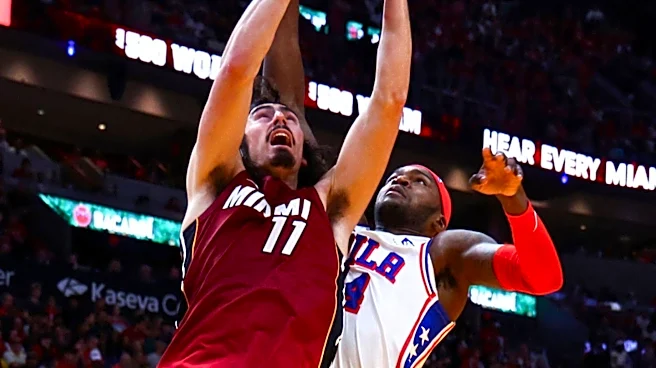
as Troy Clemens, offered James some wine during the game. This moment was captured by stadium cameras and quickly went viral across social media platforms, leading to speculation about whether the NBA would impose any disciplinary action. This is not James's first unconventional interaction with fans; in 2017, he playfully pretended to drink a beer courtside during a Cleveland Cavaliers playoff game without facing league action. Similarly, in 2019, then-Philadelphia forward Mike Scott also drank from a fan's cup during a game, and the NBA decided against a fine.
Why It's Important?
This incident, while seemingly minor, highlights the ongoing scrutiny faced by high-profile athletes and the NBA's role in maintaining decorum and safety during games. The viral nature of the event underscores the power of social media in amplifying player actions and generating public discussion, regardless of their severity. For the NBA, the decision on whether to penalize James could set a precedent for future player-fan interactions, particularly concerning the consumption of beverages offered by spectators. While past instances involving James and Mike Scott did not result in fines, the league's review process is crucial for ensuring consistent application of rules and upholding the professional image of the sport. The outcome will be closely watched by players, teams, and fans, as it could influence how athletes engage with the audience and how the league addresses such spontaneous moments.
What's Next?
The NBA is expected to review the incident involving LeBron James and the fan's beverage. While there's no official timeline for such reviews, the league will likely consider the context of the interaction, past precedents, and any potential safety or conduct implications. Given that similar past incidents involving James and another 76ers player, Mike Scott, did not result in financial penalties, it appears unlikely that James will face a fine. However, the league's decision will be communicated once the review is complete. This event may prompt internal discussions within teams and the league about guidelines for player-fan interactions, particularly regarding items exchanged or consumed during games, to prevent any future ambiguities or potential health and safety concerns. The focus will remain on maintaining the integrity of the game while allowing for spontaneous fan engagement.
Beyond the Headlines
Beyond the immediate question of a potential NBA penalty, this event touches upon the evolving relationship between professional athletes and their fans in the digital age. The instant virality of the moment reflects how every action of a celebrity athlete is now subject to public consumption and commentary, often leading to rapid speculation. It also subtly raises questions about the boundaries of fan interaction and player accessibility. While such moments can foster a sense of connection and entertainment, they also present challenges for leagues in managing player conduct and ensuring safety. The incident could spark broader conversations about the commercialization of fan experiences and the fine line between organic engagement and potential risks. Ultimately, it serves as a reminder of the unique pressures and opportunities that come with being a global sports icon in an era of pervasive media and social connectivity.