




What's Happening?
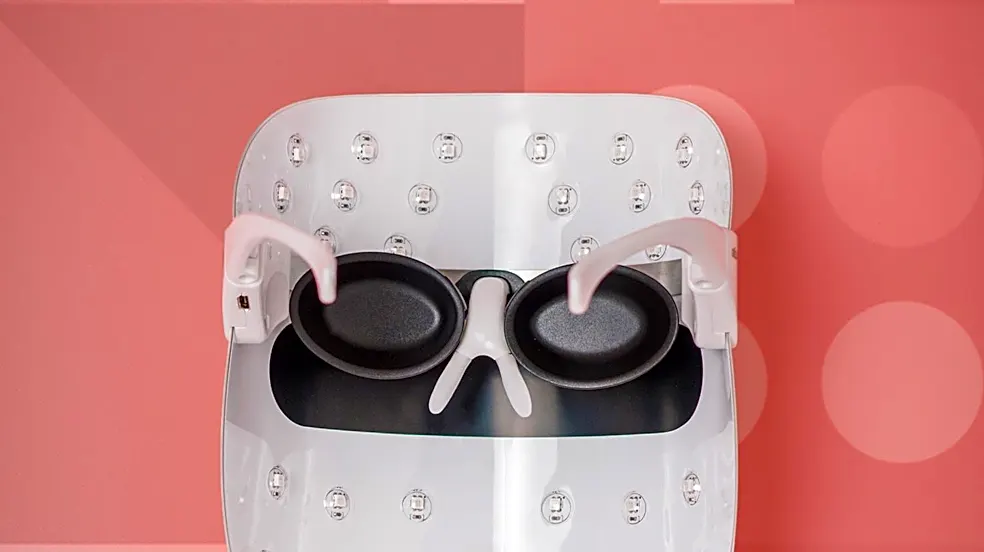
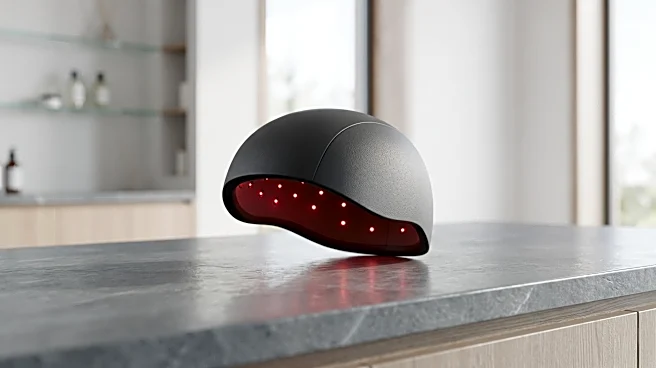
FDA-cleared red light and laser caps for hair growth are designed to treat hereditary thinning, specifically androgenetic alopecia. These devices, which use low-level light therapy, have shown modest increases in hair density in several small, sham-controlled
randomized trials lasting 16 to 26 weeks. A pooled analysis of four such trials involving 128 men and 141 women reported approximately 20 more terminal hairs per square centimeter after 26 weeks of use compared to inactive devices. While the devices are FDA-cleared, this designation means they are substantially equivalent to existing products and have reasonable safety features, not that they have undergone the same rigorous approval process as drugs. Side effects are generally mild, including scalp dryness, itching, and warmth. The therapy is most effective for individuals with mild to moderate thinning, as it aims to thicken existing miniaturized follicles rather than regrow hair on long-bald areas.
Why It's Important?
This information is crucial for U.S. consumers considering red light therapy for hair loss, as it clarifies the actual efficacy and limitations of FDA-cleared devices. The distinction between 'FDA-cleared' and 'FDA-approved' is significant, managing consumer expectations about the level of scientific proof behind these products. With the rising popularity of at-home wellness devices, understanding that these caps offer modest, rather than dramatic, results can prevent disappointment and financial waste. The emphasis on using these devices as a supportive option within a clinician-guided plan, rather than a standalone fix, underscores the importance of professional medical advice for hair loss. This context helps consumers make informed decisions, potentially reducing the market for products making exaggerated claims and promoting a more evidence-based approach to hair care.
What's Next?
Consumers interested in red light therapy for hair loss should consult a clinician to confirm a diagnosis of androgenetic alopecia and discuss whether these devices are a suitable adjunct to other treatments like minoxidil or finasteride. Manufacturers may continue to market these devices, but increased consumer awareness of their limitations could lead to more transparent advertising. Further independent, large-scale, long-term studies are needed to provide more robust evidence on efficacy and safety, particularly regarding cosmetic outcomes and sustained results after discontinuing use. The regulatory landscape might also evolve to provide clearer guidelines or distinctions for wellness devices, potentially influencing how these products are marketed and perceived by the public.
Beyond the Headlines
The trend of red light hair growth devices highlights a broader societal desire for non-invasive, at-home solutions for common aesthetic concerns. The 'FDA-cleared' label, while accurate, is often misinterpreted by the public as a stronger endorsement of effectiveness than it actually is, revealing a gap in public understanding of regulatory classifications. This situation underscores the need for greater health literacy and critical evaluation of wellness claims, especially those amplified by social media trends. The reliance on manufacturer-funded studies also raises questions about potential biases in research outcomes. Ultimately, the narrative surrounding these devices reflects the ongoing tension between scientific evidence, consumer demand, and marketing strategies in the rapidly expanding wellness industry.