





What's Happening?
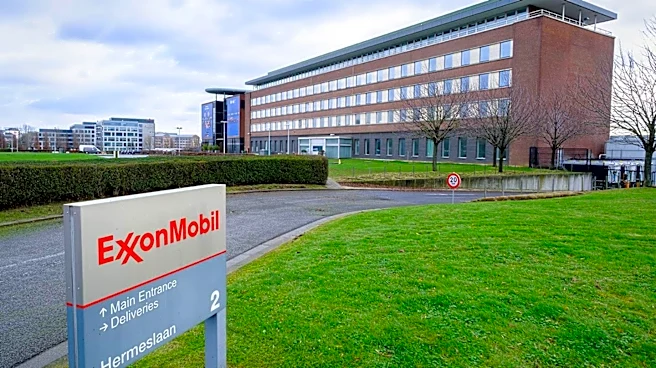
ExxonMobil Biomedical Sciences, Inc. (EMBSI) is actively seeking a Senior Environmental Scientist for its team in Antwerp, Belgium. This role is positioned at the intersection of industry and European regulation, requiring advanced scientific expertise
to support the development of safe, sustainable, and commercially viable products, particularly complex petrochemicals and related chemistries. The successful candidate will also be expected to support ExxonMobil's global team in relevant areas of expertise. Key responsibilities include serving as a scientific leader in ecotoxicology and environmental risk assessment, integrating hazard, exposure, and fate data to inform regulatory decision-making. The position demands strong engagement across science, regulatory policy, and business functions, involving collaboration with EU regulators, industry consortia, and internal stakeholders. The role emphasizes ensuring scientific robustness and regulatory alignment of environmental risk assessments, contributing to REACH, CLP, and SVHC processes, and developing regulatory strategies for complex chemistries.
Why It's Important?
This hiring initiative by ExxonMobil underscores the increasing complexity and stringency of environmental regulations, particularly within the European Union. For a major energy and petrochemical company like ExxonMobil, navigating these regulations is crucial for maintaining market access and ensuring the continued commercial viability of its products. The focus on ecotoxicology and environmental risk assessment highlights a proactive approach to product stewardship and compliance, which can mitigate potential legal and reputational risks. By investing in scientific leadership in this area, ExxonMobil aims to translate scientific findings into defensible regulatory positions and support business and regulatory outcomes. This move reflects a broader industry trend where companies are dedicating significant resources to environmental science and regulatory affairs to meet evolving global standards and societal expectations regarding sustainability and safety.
What's Next?
The integration of a Senior Environmental Scientist into ExxonMobil's team in Antwerp suggests a continued focus on strengthening the company's capacity to address European environmental regulations. The individual in this role will be instrumental in supporting compliance and strategic engagement with EU regulatory frameworks such as REACH and CLP, and in contributing to substance technical advocacy. This will likely involve ongoing interaction with EU regulators and expert groups, as well as participation in industry consortia. The role also emphasizes advancing next-generation scientific approaches, including the implementation of Next-Generation Risk Assessment (NGRA) frameworks and the application of New Approach Methodologies (NAMs). This strategic hire indicates ExxonMobil's commitment to adapting its operations and product development to meet future regulatory challenges and to ensure long-term market presence in the European petrochemical sector.
Beyond the Headlines
Beyond the immediate regulatory compliance, this role signifies a deeper shift in how large corporations like ExxonMobil are approaching environmental responsibility. The emphasis on integrating hazard, exposure, and fate data, and translating science into regulatory strategy, points to a more holistic and scientifically rigorous approach to environmental management. This could lead to the development of more sustainable products and processes, potentially influencing industry best practices. The collaboration with EU regulators and industry consortia also suggests a move towards more cooperative and transparent engagement in shaping environmental policies. This proactive stance in environmental science and risk assessment could enhance public trust and demonstrate a commitment to sustainability, which is increasingly vital for corporate social license to operate in a globalized and environmentally conscious world.