





What's Happening?
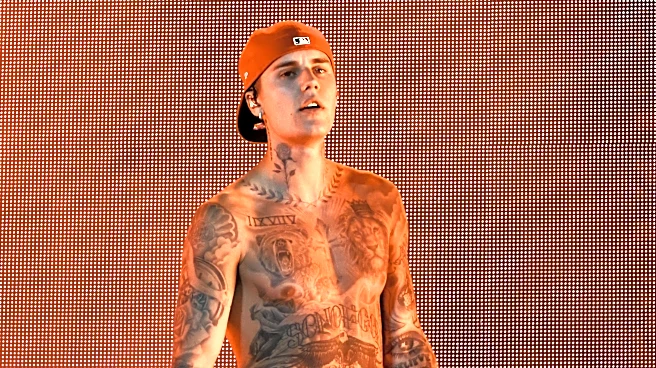
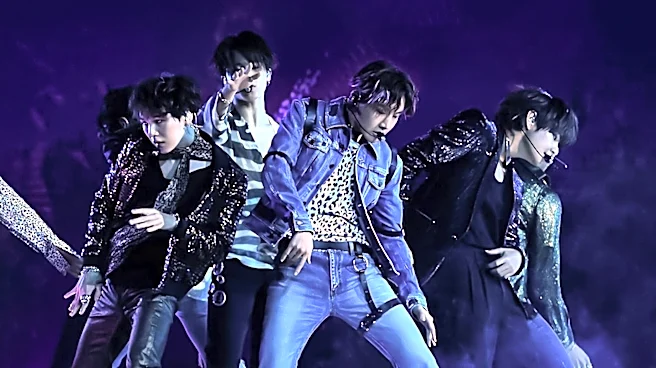
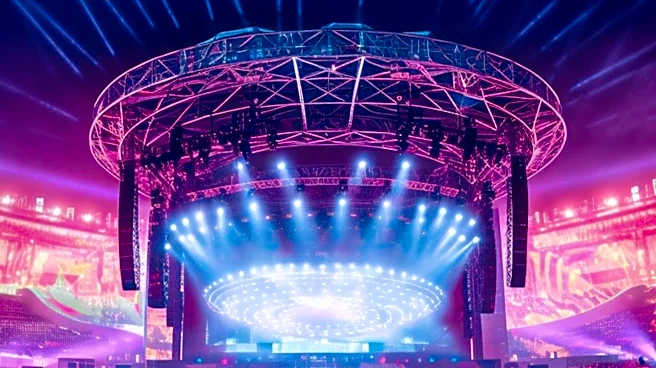
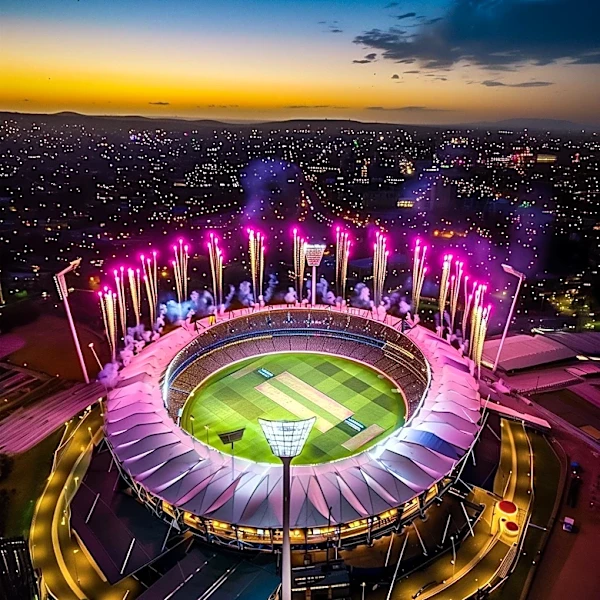
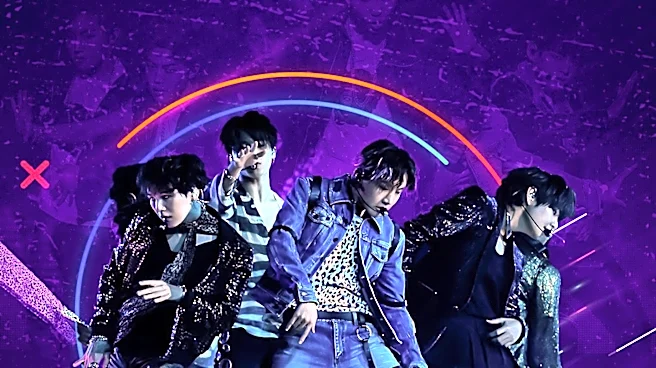
The 2026 FIFA World Cup final, held at the MetLife Stadium in New Jersey, featured a highly anticipated halftime show that included performances by global music icons such as Madonna, Justin Bieber, BTS, and Shakira. The show, curated by Chris Martin,
was a first for the World Cup, drawing comparisons to the NFL's Super Bowl halftime shows. The event included a variety of performances, with BTS performing 'Dynamite' and Shakira collaborating with Burna Boy. Coldplay's performance of 'Believe in Love' was accompanied by a children's choir, while Justin Bieber's acoustic rendition of 'Everything Hallelujah' was noted for its introspective tone. Despite the star power, the show received mixed reviews, with some viewers, including former footballer Wayne Rooney, expressing dissatisfaction.
Why It's Important?
The introduction of a halftime show at the World Cup final marks a significant cultural shift, reflecting the growing influence of American entertainment formats on global sporting events. This move could potentially increase the commercial appeal of the World Cup, attracting a broader audience beyond traditional football fans. However, it also raises questions about the commercialization of the event and the potential overshadowing of the sport itself. The mixed reactions highlight the challenge of balancing entertainment with the traditional values of the World Cup, which could influence future decisions by FIFA regarding the inclusion of such shows.
What's Next?
The reception of the halftime show may prompt FIFA to reconsider its approach to entertainment at future World Cup events. Stakeholders, including sponsors and broadcasters, will likely evaluate the impact of the show on viewership and engagement. The feedback from this event could influence the planning and execution of entertainment segments in upcoming tournaments, potentially leading to adjustments in format or content to better align with audience expectations.