








What's Happening?
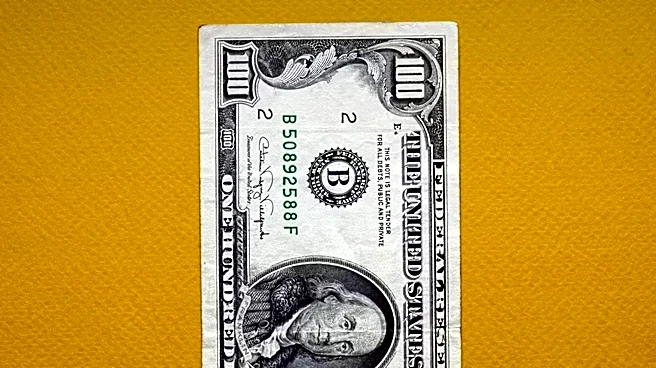
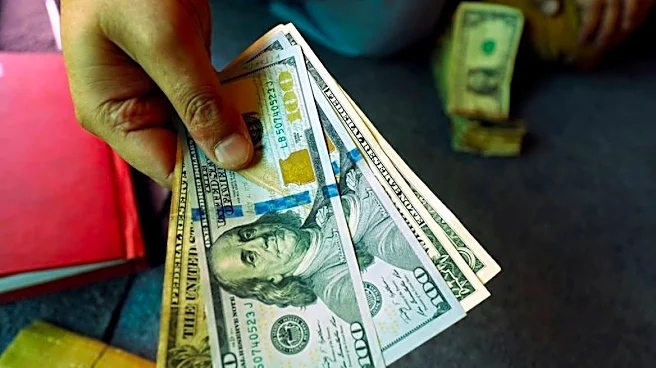
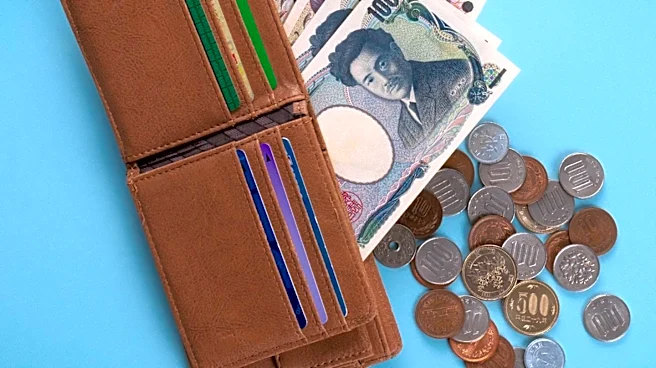
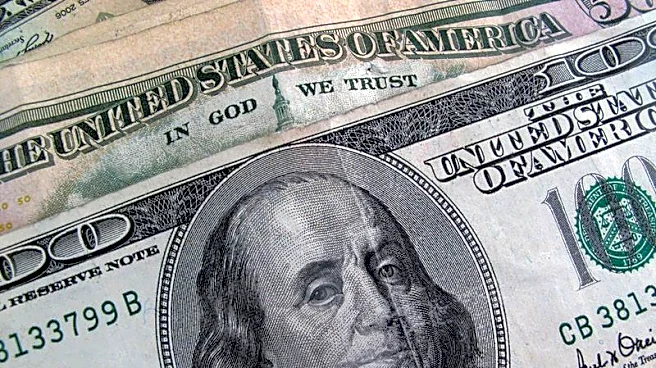
The U.S. dollar has stabilized following a period of volatility, as the Japanese yen remains near its lowest levels in four decades. This development comes after a recent U.S. jobs report indicated a significant slowdown in job growth, with only 57,000
new jobs added in June, falling short of expectations. The report has reduced the likelihood of an imminent interest rate hike by the U.S. Federal Reserve. The yen's weakness has raised concerns about potential intervention by Japanese authorities, although analysts remain skeptical about the effectiveness of such measures. The dollar's recent performance was its worst since April, influenced by the jobs data and weaker oil prices, which have tempered market expectations for a rate increase.
Why It's Important?
The stabilization of the U.S. dollar and the yen's continued weakness have significant implications for global financial markets. The slowdown in U.S. job growth, potentially linked to the Middle East conflict and rising gasoline prices, suggests underlying economic challenges. This situation affects investor confidence and could influence the Federal Reserve's monetary policy decisions. A stable dollar is crucial for international trade and investment, while the yen's weakness impacts Japan's economic strategy and could lead to increased volatility in currency markets. The potential for Japanese intervention adds another layer of uncertainty, affecting global currency dynamics and investor strategies.
What's Next?
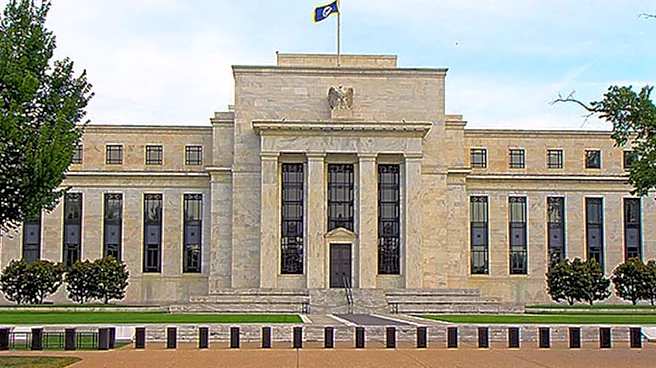
Investors are closely monitoring the upcoming release of the minutes from the U.S. Federal Reserve's June meeting for insights into future interest rate decisions. The new Fed Chairman, Kevin Warsh, has indicated a cautious approach to inflation, but it remains to be seen how other Fed officials will respond. The possibility of Japanese intervention in the currency market is also a key focus, as authorities may act if volatility increases. These developments will be critical in shaping market expectations and strategies in the coming weeks.