


What's Happening?
The autonomous vehicle industry in the U.S. is experiencing mixed signals from federal and local authorities. The National Highway Traffic Safety Administration (NHTSA) has granted Zoox a temporary exemption from certain federal motor vehicle safety standards,
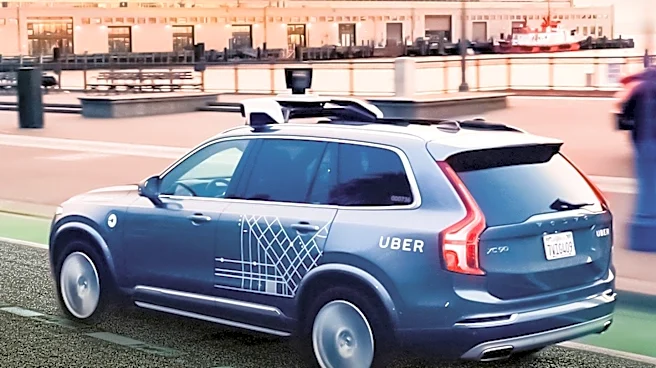
allowing the company to charge for rides in its custom-built robotaxi. This regulatory approval is a significant step towards launching commercial robotaxi services, starting in Las Vegas. Meanwhile, local authorities, such as San Francisco's mayor, are calling for stricter regulations following incidents involving autonomous vehicles and emergency responders. A proposed bill by Rep. Kevin Mullin aims to establish national safety standards for autonomous vehicle operators.
Why It's Important?
The regulatory landscape for autonomous vehicles is crucial for the industry's growth and public acceptance. Federal support, as seen with Zoox's exemption, can accelerate the deployment of robotaxis, potentially transforming urban transportation. However, local concerns about safety and interactions with emergency services highlight the need for comprehensive regulations. The balance between innovation and safety will determine the pace at which autonomous vehicles become a mainstream transportation option, impacting urban planning, traffic management, and public safety.
What's Next?
Zoox plans to begin charging for rides in Las Vegas, marking a milestone in commercial robotaxi services. The industry will closely watch the implementation of Rep. Mullin's proposed safety standards, which could unify regulations across states. As more companies enter the robotaxi market, competition may drive technological advancements and cost reductions. The industry's future will depend on resolving safety concerns and gaining public trust, which could influence policy decisions and market dynamics.