







What's Happening?
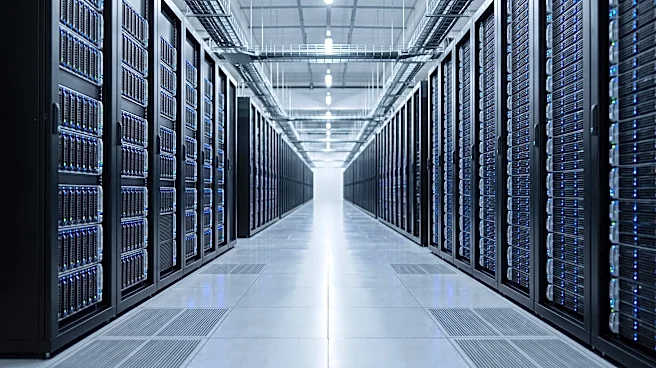
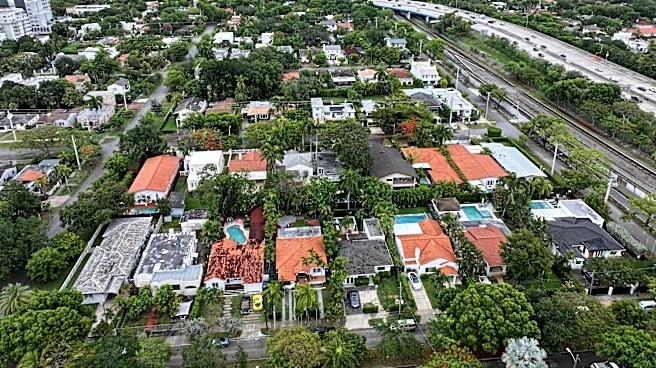
The Tampa Bay Economic Development Council (EDC) is focusing on data centers and the maritime economy as key drivers for the region's growth in its three-year economic development plan. One year into this strategy, the EDC has moved from identifying opportunities
to briefing local policymakers, developing workforce strategies, and recommending new investment zones. This research includes studying data center markets in other U.S. cities like Atlanta and Loudoun County, Virginia, and engaging with experts such as Loudoun County economic development director Buddy Rizer. The EDC's efforts come amid an AI-driven construction surge for data centers, which presents both significant investment opportunities and demands on local resources like electricity, land, and water. Additionally, the EDC is drafting a maritime workforce strategy in collaboration with the St. Petersburg Innovation District and Tampa Bay Wave’s Blue Tech Accelerator, aligning with the White House’s 2026 Maritime Action Plan to rebuild the U.S. shipbuilding industry.
Why It's Important?
This strategic focus is important for the Tampa Bay region as it positions itself for future economic growth and diversification. Targeting data centers capitalizes on the national surge in AI-driven infrastructure, with Florida already being a significant hub for AI job growth. This could attract substantial capital investment and create high-paying jobs, as evidenced by the 60% increase in U.S. data center employment from 2016 to 2023. Similarly, investing in the maritime economy aligns with national efforts to revitalize the U.S. shipbuilding industry, potentially bringing federal investment and creating skilled labor opportunities. For the U.S., this local initiative contributes to broader economic resilience and technological advancement. The strategy also highlights the critical need for workforce development to meet the demands of these emerging industries, ensuring that local talent can fill these new roles and benefit from economic expansion.
What's Next?
The Tampa Bay EDC will continue to implement its three-year strategy, which includes further engagement with local policymakers to facilitate investment in data centers and the maritime sector. This will likely involve developing specific investment zones and refining workforce development programs to meet industry needs. The EDC's maritime workforce strategy, drafted with partners, is expected to be released, potentially outlining recommendations for training and recruitment. The region may also propose Florida locations for federal Maritime Prosperity Zones, aiming to attract more maritime investment. The success of these initiatives will be measured by increased capital investment, job creation, and the region's ability to manage the resource demands associated with these growing industries. Continued collaboration with federal agencies and industry experts will be crucial for sustained progress.
Beyond the Headlines
The Tampa Bay EDC's strategy reflects a broader national trend of regions actively competing to attract high-tech and strategic industries. The emphasis on data centers underscores the foundational role of digital infrastructure in the modern economy, particularly with the rise of artificial intelligence. This also brings to light the environmental and resource challenges associated with such growth, including electricity consumption and land use, prompting communities to weigh economic benefits against sustainability concerns. The focus on the maritime economy, in conjunction with federal initiatives, highlights a renewed national interest in industrial self-sufficiency and supply chain resilience. This strategic planning demonstrates a proactive approach to economic development, moving beyond reactive measures to anticipate future industry shifts and prepare the local workforce and infrastructure accordingly, setting a precedent for other U.S. regions.