


What's Happening?
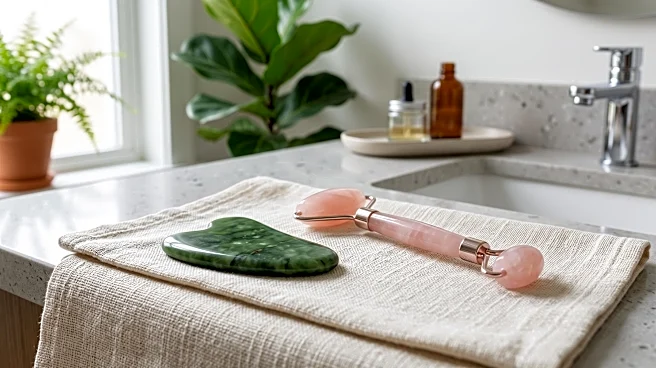
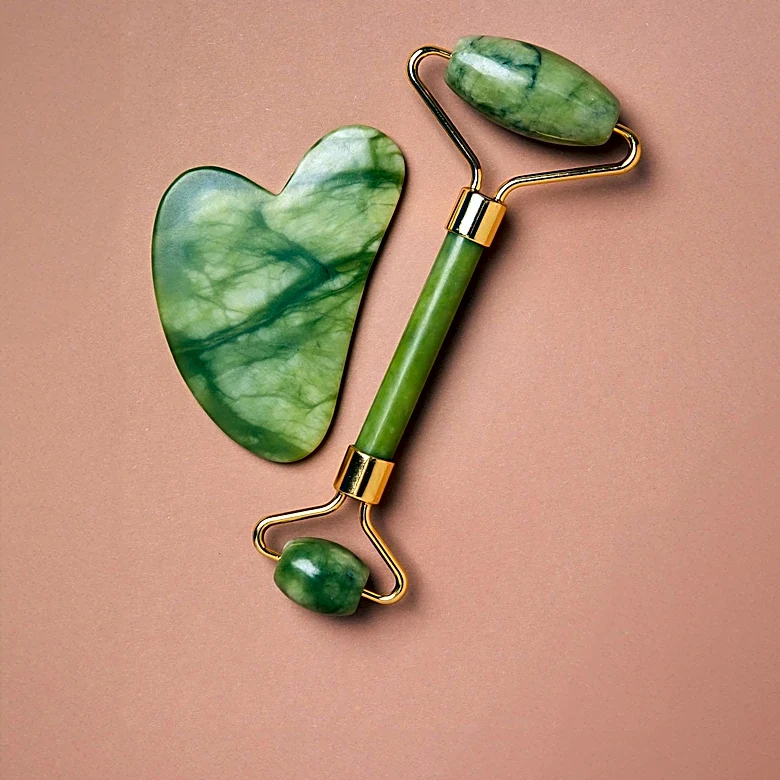
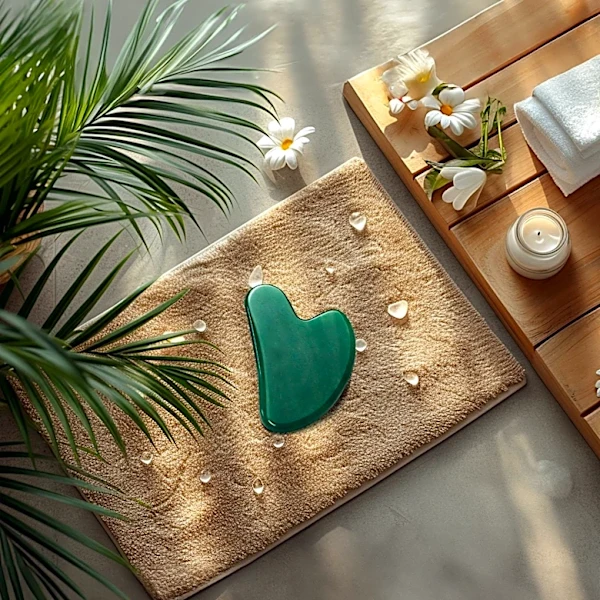
Dermatologists are acknowledging the benefits of lymphatic drainage tools, such as gua sha stones, facial rollers, and dry brushes, for temporarily reducing puffiness and fluid retention. Dr. Joshua Zeichner, director of cosmetic and clinical research
at Mount Sinai Hospital, explains that the lymph system moves excess waste and fluid, and lymphatic massages enhance this activity to circulate fluid and depuff. Dr. Ife J. Rodney, founding director of Eternal Dermatology + Aesthetics, notes that while doctors may recommend lymphatic drainage for conditions like lymphedema or post-surgical patients, the broader benefits for others are less clear. These tools are designed to mechanically encourage the movement of lymphatic fluid. The technique involves light pressure, moving from the center of the face outwards and downwards towards the collarbones, following the natural lymphatic flow. Experts advise that a few minutes of light pressure is sufficient, and bruising indicates excessive force.
Why It's Important?
The growing endorsement from dermatologists for lymphatic drainage tools highlights a shift in how at-home wellness practices are viewed within the medical community. While not a cure-all, the recognition of these tools for temporary puffiness reduction, especially after factors like alcohol consumption, lack of sleep, or high sodium intake, provides a credible basis for their use. This can influence consumer behavior, leading to increased sales and innovation in the beauty and wellness industries. For individuals, it offers an accessible, non-invasive method to address common cosmetic concerns. However, the emphasis on temporary effects and the recommendation to consult a doctor for underlying medical conditions or post-surgical care underscores the importance of managing expectations and prioritizing professional medical advice when necessary. This trend also brings attention to the lymphatic system's role in overall health and fluid balance.
What's Next?
As dermatologists continue to validate the temporary benefits of lymphatic drainage tools, it is likely that more products will enter the market, potentially leading to increased consumer adoption. Further research may emerge to explore the long-term efficacy and broader health implications of these at-home tools. The beauty and wellness industries are expected to capitalize on this expert endorsement, potentially integrating lymphatic drainage techniques into more professional treatments and product lines. Consumers will need to remain discerning, focusing on tools with smooth finishes and natural fibers, and adhering to proper usage techniques to avoid skin irritation. Medical professionals will likely continue to advise caution for individuals with pre-existing conditions, emphasizing that these tools are not substitutes for medical treatment but rather complementary practices for specific, temporary concerns.
Beyond the Headlines
The rise in popularity and dermatological acknowledgment of lymphatic drainage tools reflects a broader cultural trend towards self-care and holistic wellness. It highlights how traditional practices, often rooted in ancient medicine, are being re-evaluated and integrated into modern health and beauty routines with scientific backing. This development also underscores the increasing demand for non-invasive, at-home solutions for health and aesthetic concerns, driven by convenience and accessibility. The emphasis on gentle techniques and avoiding bruising points to a more mindful approach to body care, moving away from aggressive treatments. Furthermore, it encourages a deeper understanding of the body's physiological processes, such as lymphatic circulation, empowering individuals to take a more active role in their well-being, albeit with professional guidance when necessary.