



What's Happening?
WWE President Nick Khan reportedly did not issue the usual directive to bolster NXT's programming when it went head-to-head with AEW, according to multiple sources including Dave Meltzer in the Wrestling Observer Newsletter. This decision marks a departure
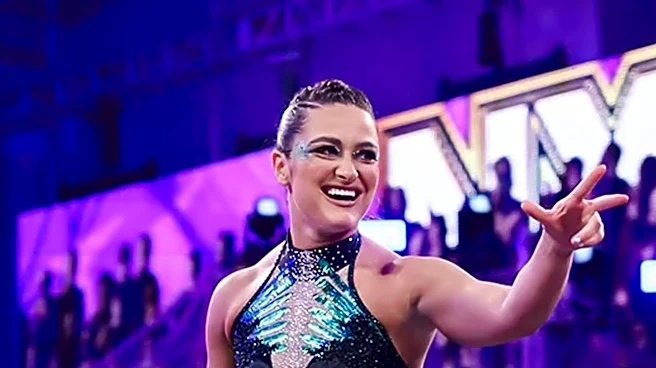
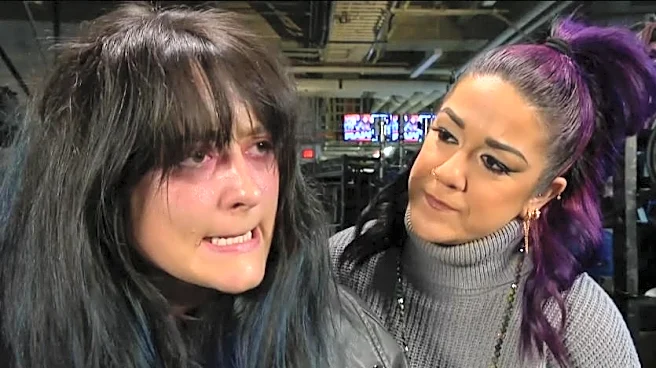
from the typical strategy where NXT often features higher-profile matchups during direct competition with AEW to secure better viewership. While the exact reason for Khan's choice remains unclear, Meltzer suggests it was likely a cost-benefit analysis rather than an act of goodwill. NXT has historically managed to outperform AEW in time-slot conflicts, irrespective of the specific matches presented. This week's NXT main event featured Lady Shani winning a WWE NXT Women’s Championship #1 Contender’s Battle Royal, later revealing herself as Wren Sinclair. Concurrently, AEW Dynamite Grand Slam in France showcased AEW World Champion Will Ospreay defending his title against AEW International Champion Kazuchika Okada.
Why It's Important?
This decision by WWE President Nick Khan could signal a strategic shift in how WWE approaches its competition with AEW. Historically, the wrestling industry has seen promotions actively counter-program each other, a practice famously exemplified by the 'Monday Night Wars.' If WWE, through NXT, is choosing not to 'stack the deck' during head-to-head broadcasts, it might indicate a belief that NXT's established viewership is robust enough to maintain its lead without additional high-cost talent or storyline investments. This could impact the competitive landscape of professional wrestling, potentially leading to a more relaxed rivalry in terms of direct programming clashes. For fans, it might mean less emphasis on 'must-see' matchups during these specific time slots, while for the companies, it could reflect a focus on long-term brand building rather than short-term ratings victories. The financial implications of such a strategy could be significant, as avoiding costly 'loaded' shows could free up resources for other ventures or talent development.
What's Next?
The long-term implications of WWE President Nick Khan's decision will likely unfold in subsequent head-to-head programming instances between NXT and AEW. It remains to be seen if this was an isolated incident or the beginning of a new strategic approach. Future viewership numbers and ratings during these competitive slots will be closely scrutinized by industry analysts and fans alike to determine the effectiveness of this less aggressive counter-programming tactic. If NXT continues to perform well without the usual 'loaded' shows, it could solidify this new strategy. Conversely, a significant dip in viewership might prompt a return to more traditional competitive programming. Stakeholders, including talent and advertisers, will be observing these trends, as they could influence contract negotiations, show formats, and advertising revenue. The wrestling community will also be watching for any public statements or internal memos that might shed more light on the rationale behind this strategic shift.
Beyond the Headlines
This strategic decision by WWE President Nick Khan delves into the deeper psychological and economic aspects of competitive entertainment. It suggests a potential move away from a reactive, 'arms race' mentality in programming, towards a more confident, self-sustaining brand strategy for NXT. This could reflect a mature understanding of their audience demographics and loyalty, implying that a significant portion of NXT's viewership is not easily swayed by direct competition. Ethically, it could be seen as a less aggressive, more sustainable approach to competition, potentially fostering a healthier industry environment where promotions focus more on their own product quality rather than solely on undermining rivals. Culturally, it might signal a shift in how wrestling promotions perceive their 'wars,' moving from direct confrontation to a more nuanced battle for market share based on consistent product delivery. This could ultimately benefit fans by encouraging both promotions to focus on their unique strengths rather than engaging in costly and potentially unsustainable competitive bidding wars for talent and storylines.