







What's Happening?
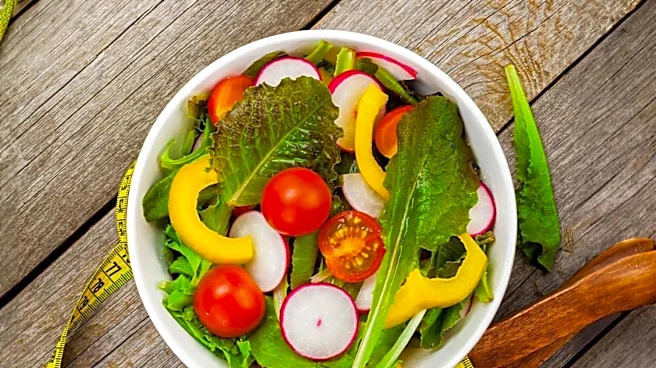
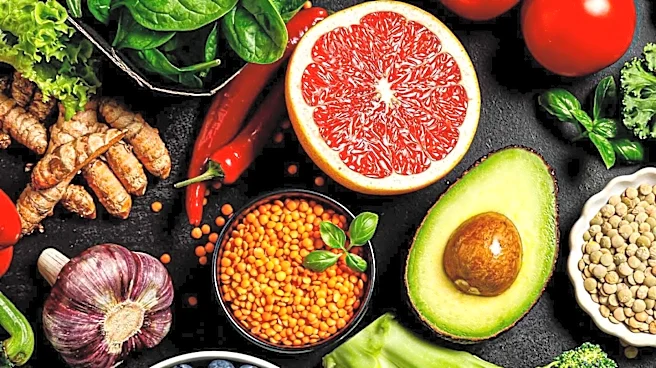
An anti-inflammatory diet, characterized by a whole-food, Mediterranean-style eating pattern, is being highlighted for its effectiveness in reducing visceral fat and improving overall health. This dietary approach prioritizes foods rich in polyphenols,
fiber, and omega-3 fatty acids, such as berries, leafy greens, fatty fish, legumes, nuts, olive oil, and green tea. Conversely, it advocates for limiting ultra-processed foods, sugary drinks, and processed meats. Research, including the DIRECT-PLUS trial, suggests that this type of diet can significantly reduce visceral fat, which is the fat stored around internal organs and is linked to chronic inflammation, heart disease, and type 2 diabetes. The trial showed a polyphenol-rich pattern cut visceral fat by 14.1% compared to 6.0% in a standard Mediterranean diet, even with similar calorie intake, indicating that food choice plays a crucial role beyond just calorie counting. The diet also emphasizes the importance of non-food habits like adequate sleep, stress management, and regular physical activity to support these efforts.
Why It's Important?
This focus on an anti-inflammatory diet is important because chronic inflammation is a silent driver of many prevalent diseases in the U.S., including heart disease, type 2 diabetes, and fatty liver. Visceral fat, often targeted by this diet, is not merely stored energy but an active tissue that releases inflammatory molecules, creating a cycle that traditional calorie-cutting alone often fails to break. By adopting this eating pattern, individuals can address the root causes of inflammation, potentially leading to improved metabolic health, better blood sugar management, and reduced cardiovascular risk. The emphasis on whole, unprocessed foods also ensures adequate intake of essential nutrients, which is crucial during any weight management journey. Furthermore, the diet's flexibility and focus on enjoyable foods contribute to higher adherence rates, making it a sustainable long-term solution for health improvement and weight management, unlike more restrictive diets that are often abandoned.
What's Next?
Individuals are encouraged to begin incorporating anti-inflammatory principles into their daily lives through small, manageable changes. This could involve adding berries to breakfast, cooking with olive oil, or swapping processed snacks for fruits and nuts. The framework is designed to be flexible rather than a rigid 30-day plan, allowing for personal preferences and budget considerations. Meal preparation shortcuts, such as cooking grains in bulk or roasting large batches of vegetables, are suggested to make adherence easier. Beyond diet, continued emphasis will be placed on lifestyle factors like achieving 7-9 hours of sleep, managing stress through practices like daily walks or deep breathing, and engaging in both aerobic and strength-training exercises. For those with underlying health conditions or on medication, consulting a healthcare provider before making significant dietary changes is advised to ensure safety and effectiveness.
Beyond the Headlines
The promotion of an anti-inflammatory diet highlights a broader shift in understanding health and weight management, moving beyond simplistic calorie-counting to a more holistic view that considers the body's inflammatory response. This approach underscores the interconnectedness of diet, lifestyle, and chronic disease, suggesting that food is not just fuel but a powerful modulator of physiological processes. The emphasis on polyphenols, fiber, and omega-3s points to the growing scientific recognition of specific micronutrients and their roles in cellular health and inflammation control. This perspective also challenges the notion of 'spot reduction' for fat loss, reinforcing that overall body-fat reduction and metabolic health are the primary goals. Ethically, it promotes a sustainable and inclusive approach to eating that avoids extreme restrictions, fostering a healthier relationship with food and encouraging long-term well-being rather than temporary fixes.