



What's Happening?
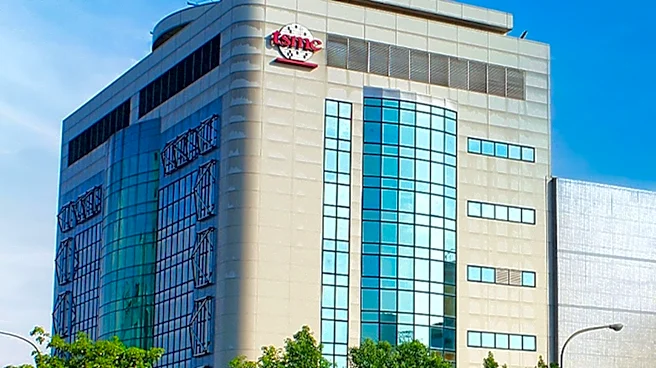
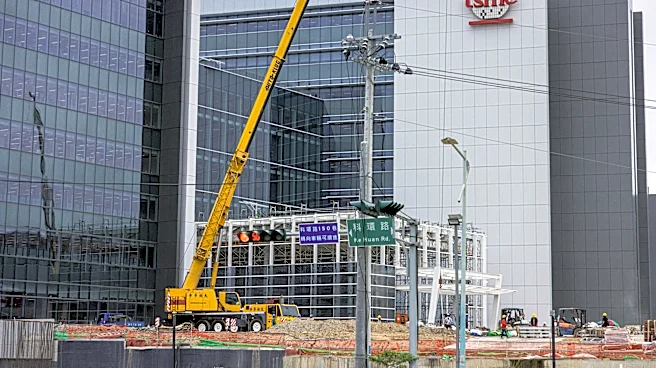
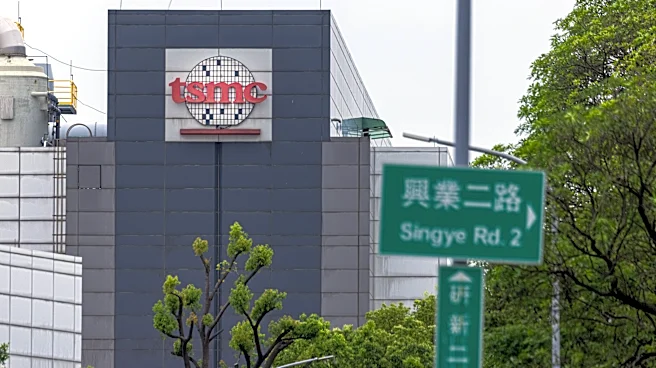
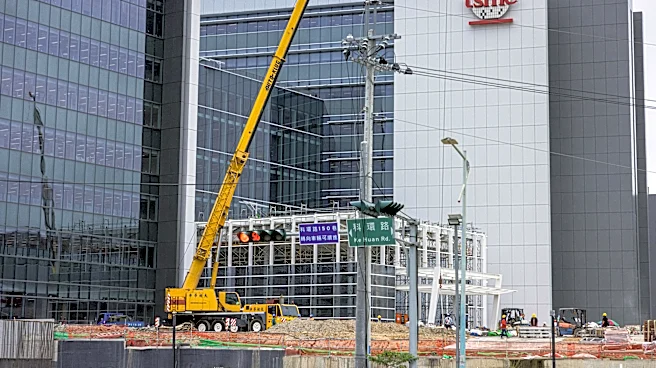
TSMC, the world's largest chip foundry, is significantly expanding its U.S. operations, marked by a large-scale expansion ceremony at its Phoenix, Arizona plant on December 4. This event will formally announce the opening of a newly acquired southern
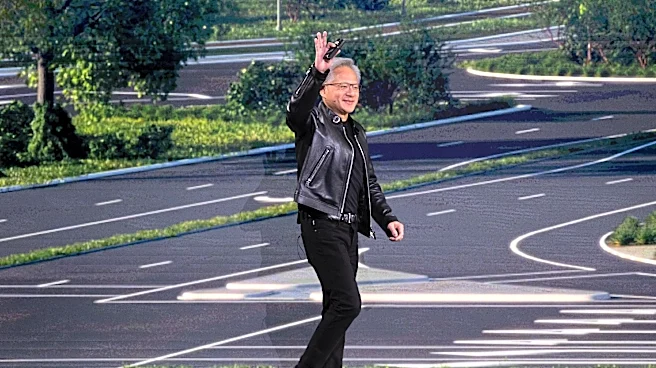
site, consolidating its northern and southern campuses to a total land area of 2,000 acres. TSMC Chairman and CEO C.C. Wei stated that this Arizona investment represents the largest foreign direct investment in U.S. history, totaling hundreds of billions of dollars. President Trump is expected to attend the ceremony, marking his first visit to the plant since taking office. Other notable attendees include TSMC executives and Yeh Chun-hsien, chairman of Taiwan's National Development Council. Nvidia CEO Jensen Huang has also been invited, though his attendance is unconfirmed due to a scheduled U.S. Senate hearing. Beyond Arizona, TSMC is reportedly considering a $22.6 billion investment in Brazoria County, Texas, to build a new fab for advanced processes at 2 nanometers or below, having submitted an application for a property tax exemption to the Texas state government.
Why It's Important?
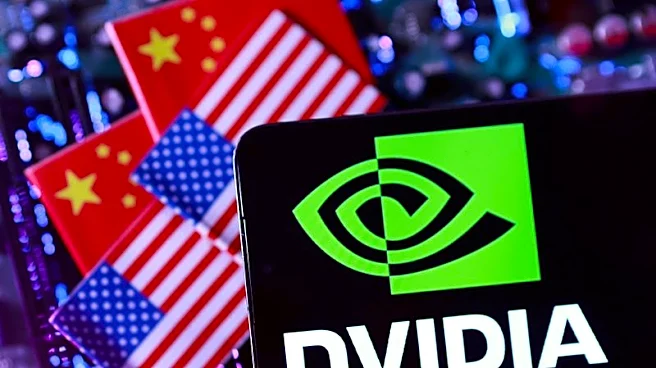
This expansion signifies a strategic shift in TSMC's U.S. investments, moving beyond merely meeting customer demand to asserting its geopolitical standing as a critical strategic asset. The U.S. share of TSMC's total revenue has climbed to 79%, indicating strong demand from U.S. big tech companies for increased local production capacity. For the U.S., securing key components of AI infrastructure domestically, rather than relying solely on foreign production, is crucial for national security, aligning with the interests of the Trump Administration. The potential Texas plant, located in an established semiconductor cluster, would further enhance the U.S.'s semiconductor manufacturing capabilities and provide access to talent and future customers in data centers, humanoid robots, and autonomous vehicles. This move also highlights the increasing importance of semiconductor supply chain resilience amid global geopolitical rivalries, particularly between the U.S. and China.
What's Next?
The Arizona plant ceremony on December 4 will officially mark the expansion and highlight the collaboration between TSMC and U.S. leadership. The attendance of President Trump, TSMC Chairman C.C. Wei, and potentially Nvidia CEO Jensen Huang, will underscore the strategic importance of these investments. Following the ceremony, attention will turn to the progress of the Arizona facilities, with the first plant already mass-producing 4-nanometer chips and the second scheduled to begin mass production of 3-nanometer chips in Q3 2027. The decision regarding the proposed $22.6 billion Texas plant will also be closely watched, as it would further solidify the U.S. as a key pillar of next-generation semiconductor production. The ongoing discussions and potential for further investments will shape the future of semiconductor manufacturing in the U.S. and its role in global technology supply chains.
Beyond the Headlines
The significant U.S. investment by TSMC, particularly the Arizona expansion and potential Texas facility, reflects a broader trend of 'friend-shoring' and de-risking global supply chains. This move is not just about economic investment but also about national security and technological sovereignty, as advanced semiconductors are critical for defense, AI, and other strategic technologies. While Taiwan remains TSMC's primary R&D hub and leading-edge mass production base, the U.S. expansion addresses concerns about over-reliance on a single geographic region for critical chip manufacturing. This strategic positioning could lead to a more diversified and resilient global semiconductor ecosystem, but it also raises questions about the long-term economic implications for Taiwan and the potential for increased competition in the global chip market. The alignment of interests between TSMC and the U.S. government underscores the evolving landscape of international trade and technology policy.